PCOS i płodność: Kompletny przewodnik po zajściu w ciążę przy zespole policystycznych jajników


PCOS and Fertility: A Complete Guide to Getting Pregnant with Polycystic Ovary Syndrome
Polycystic ovary syndrome (PCOS) is the most common hormonal disorder affecting women of reproductive age, estimated to affect between 8% and 13% of women worldwide — though many remain undiagnosed. For women with PCOS and fertility concerns, the journey to conception can feel daunting. But it doesn't have to be. With the right understanding, medical support, and lifestyle approach, the majority of women with PCOS go on to conceive — often naturally.
This comprehensive guide covers everything you need to know about PCOS and fertility: how PCOS affects ovulation, which treatments are most effective, the lifestyle changes with the strongest evidence, and how supplements and specialist support can improve your chances.
What Is PCOS and How Does It Affect Fertility?
PCOS is a hormonal condition characterised by at least two of the following three features (Rotterdam criteria):
- Irregular or absent ovulation (oligo- or anovulation)
- Clinical or biochemical signs of elevated androgens (testosterone, DHEAS)
- Polycystic-appearing ovaries on ultrasound (≥20 follicles per ovary or ovarian volume >10 mL)
The primary fertility challenge with PCOS is irregular ovulation. Without regular ovulation, there are fewer opportunities to conceive per year. A woman with monthly ovulation has approximately 12 conception opportunities per year; a woman ovulating 4–6 times per year has far fewer windows, making each cycle more significant.
PCOS is also associated with:
- Insulin resistance (present in 65–80% of PCOS cases)
- Elevated LH relative to FSH, disrupting the hormonal signals that trigger ovulation
- Elevated androgens, which interfere with follicle maturation
- Increased risk of early miscarriage (though the exact mechanism is debated)
- Reduced egg quality in some (though this is not universal)
Diagnosing PCOS: Tests You Should Have
Shop Conceive Plus in Europe →
A PCOS diagnosis requires a thorough assessment by a GP or gynaecologist. Standard tests include:
- Hormonal blood panel: LH, FSH (and LH:FSH ratio), testosterone, DHEAS, SHBG, oestradiol, prolactin, thyroid hormones, AMH
- Glucose and insulin: Fasting glucose and insulin (to calculate HOMA-IR for insulin resistance)
- Pelvic ultrasound: To assess ovarian morphology and count antral follicles
- Metabolic panel: Cholesterol, triglycerides, HbA1c (PCOS increases cardiometabolic risk)
Other conditions that can cause similar symptoms should be excluded: thyroid disorders, congenital adrenal hyperplasia, hyperprolactinaemia, and Cushing's syndrome.
Natural Approaches to Improving Fertility with PCOS
Before reaching for medications, evidence-based lifestyle changes can have a profound impact on PCOS fertility outcomes — particularly through their effect on insulin resistance and androgen levels.
Dietary Interventions
A low-glycaemic index (low-GI) diet is the most evidence-backed dietary approach for PCOS. By reducing blood glucose spikes, a low-GI diet improves insulin sensitivity, which in turn lowers insulin levels, reduces androgen production, and can restore more regular ovulation.
Key dietary principles:
- Choose complex carbohydrates: oats, legumes, quinoa, sweet potato, rye bread
- Prioritise protein at every meal to slow glucose absorption: eggs, Greek yoghurt, legumes, fish, poultry
- Include healthy fats: avocado, olive oil, nuts — reduce saturated and trans fats
- Eat plenty of non-starchy vegetables: spinach, broccoli, cauliflower, courgette
- Limit refined sugars, white bread, white rice, and sugary drinks
- Consider anti-inflammatory foods: berries, turmeric, green tea, fatty fish
A 2020 meta-analysis in Fertility and Sterility found that dietary interventions lowered testosterone levels and improved ovulation rates in PCOS without any pharmacological intervention.
Weight Management
For women with PCOS who are overweight, even a 5–10% reduction in body weight has been shown to restore ovulation in 55–100% of previously anovulatory women, according to a landmark study published in the Journal of Clinical Endocrinology and Metabolism. This is not a recommendation for extreme dieting — gradual, sustainable changes to diet and exercise produce better long-term outcomes than crash diets, which can worsen the hormonal picture.
Exercise
Both aerobic exercise and resistance training improve insulin sensitivity in PCOS. Research suggests that resistance training may be particularly effective at improving androgen levels and body composition. Aim for 150 minutes of moderate-intensity aerobic exercise per week plus 2–3 resistance training sessions. Avoid very high-intensity training, which can elevate cortisol and disrupt ovulatory hormones.
Medical Treatments for PCOS Infertility
First-Line: Letrozole
Letrozole (an aromatase inhibitor, brand name Femara) is now the recommended first-line treatment for ovulation induction in PCOS, as established by the ESHRE/ASRM international evidence-based guideline. Letrozole works by temporarily blocking oestrogen production, which causes the pituitary to release more FSH, stimulating follicle development. It produces a more single-follicle response than clomiphene, reducing the risk of multiple pregnancy.
Clinical pregnancy rates per cycle with letrozole in PCOS are approximately 27–30%, and cumulative pregnancy rates over 6 cycles can exceed 60%.
Clomiphene (Clomid)
Clomiphene citrate was the traditional first-line treatment for decades and remains widely used. It works by blocking oestrogen receptors in the hypothalamus, triggering FSH release. Success rates are similar to letrozole in some populations, but it is associated with a higher rate of multiple pregnancy and has an anti-oestrogenic effect on the endometrium that may reduce implantation. Multiple European guidelines now prefer letrozole over clomiphene as first-line.
Metformin
Metformin (a diabetes medication) is used to improve insulin sensitivity in PCOS. Alone, it is less effective than letrozole for ovulation induction, but combined with letrozole or clomiphene it may improve outcomes in insulin-resistant PCOS. It also reduces the risk of OHSS (ovarian hyperstimulation syndrome) and may lower miscarriage rates. The ESHRE guideline recommends metformin alongside letrozole in women with BMI >25.
Inositol Supplementation
Myo-inositol and D-chiro-inositol are naturally occurring sugars involved in insulin signalling. Multiple randomised trials have shown that myo-inositol (2–4 g/day) significantly improves insulin sensitivity, reduces androgen levels, and restores ovulation in PCOS. A 40:1 ratio of myo-inositol to D-chiro-inositol appears to be most physiologically appropriate based on endogenous ratios in ovarian follicles.
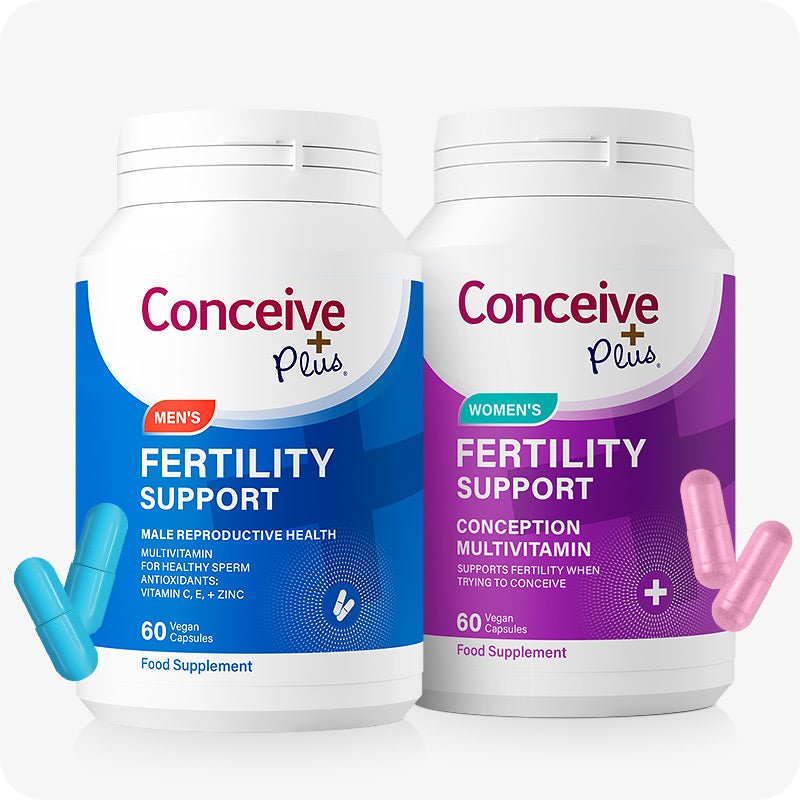
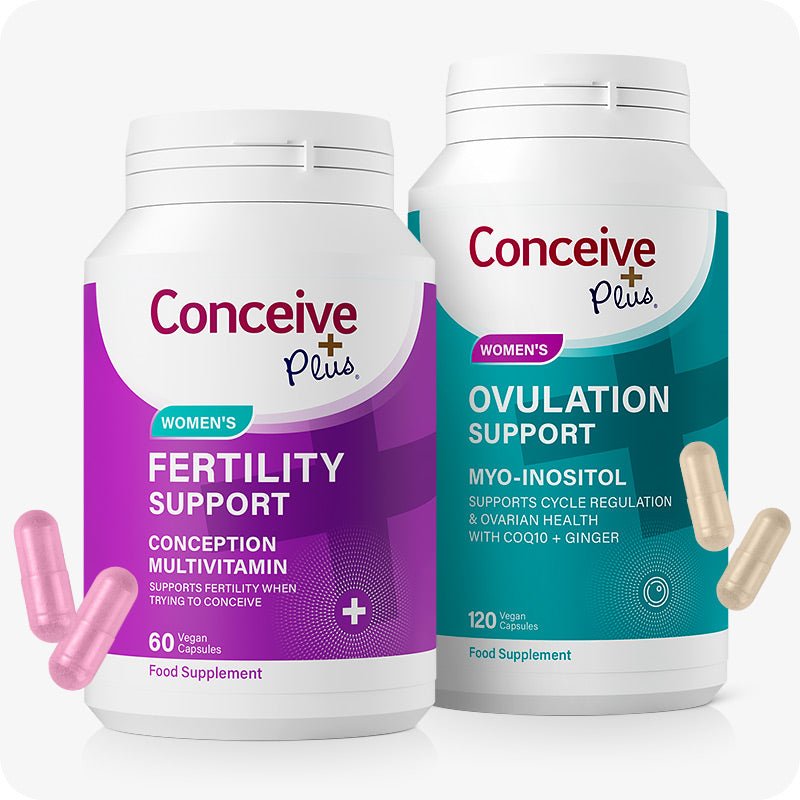
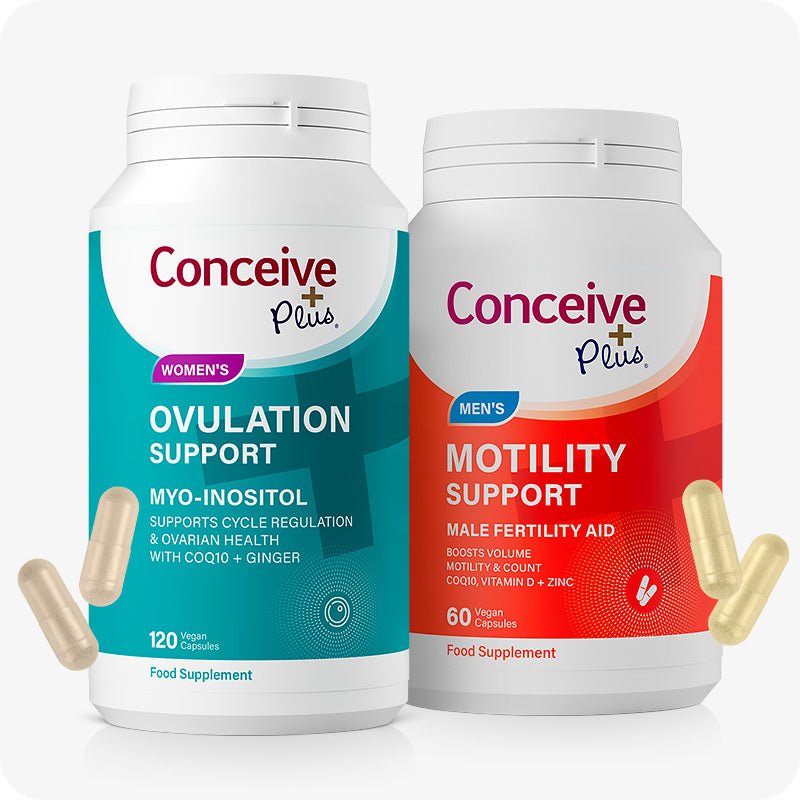
Inositol is available over the counter, has a strong safety profile, and is increasingly recommended by fertility specialists as an adjunct to medical treatment. It is included in Conceive Plus fertility supplement formulations designed for PCOS.
Ovarian Drilling (Laparoscopic)
For women who don't respond to oral ovulation induction agents, laparoscopic ovarian drilling (LOD) is a minor surgical procedure that destroys a small amount of androgen-producing ovarian tissue, restoring a more favourable LH:FSH ratio. Response rates are 54–92% for resumption of ovulation. It is reserved for clomiphene/letrozole-resistant cases.
IVF with or without IVM
Women with PCOS who don't conceive with ovulation induction may proceed to IVF. PCOS is associated with a higher risk of ovarian hyperstimulation syndrome (OHSS) during stimulation, requiring careful protocol selection (typically a GnRH antagonist protocol with lower FSH doses). In vitro maturation (IVM) — collecting immature eggs and maturing them in the lab — is an emerging option that avoids stimulation almost entirely, reducing OHSS risk.
Supplements for PCOS Fertility
Beyond inositol, several supplements have evidence in the PCOS fertility context:
- Myo-inositol (2,000–4,000 mg/day): Improves insulin sensitivity, reduces androgens, supports ovulation
- Vitamin D: Deficiency is extremely common in PCOS; supplementation improves insulin resistance and has been associated with more regular cycles
- CoQ10: Supports mitochondrial function in eggs; particularly relevant in PCOS where egg quality can be compromised
- N-acetylcysteine (NAC): Acts as an antioxidant and insulin sensitiser; shown in some trials to improve ovulation rates similarly to metformin
- Methylfolate: The active form of folate, which bypasses the MTHFR mutation common in PCOS populations; critical for neural tube protection before and in early pregnancy
- Omega-3 fatty acids: Reduce inflammation and have been shown to lower testosterone in PCOS
- Berberine: A plant compound with metformin-like effects on insulin signalling; gaining traction in evidence-based PCOS management
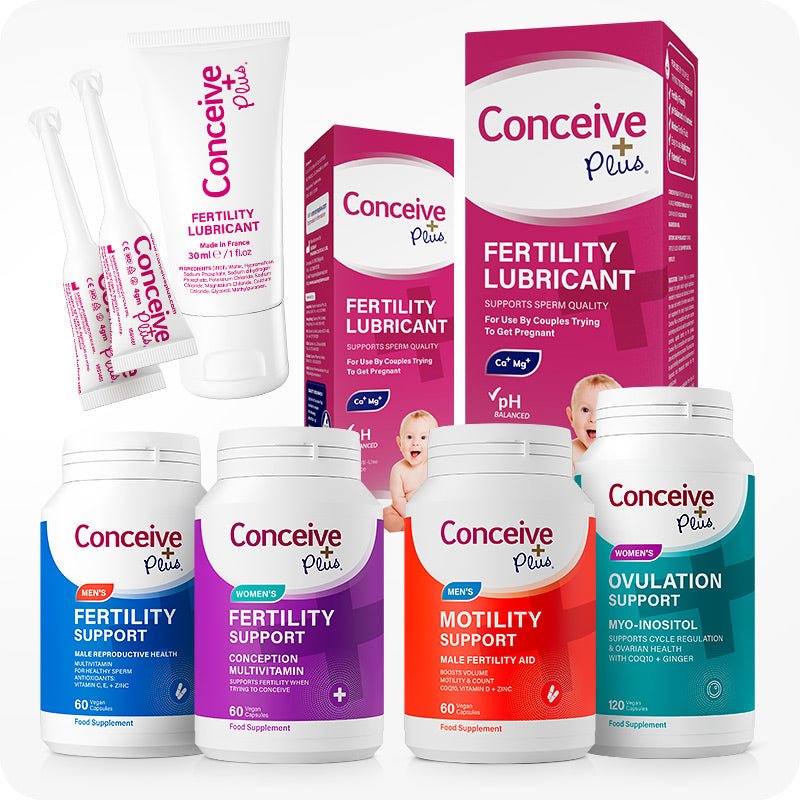
Explore Conceive Plus Fertility Supplements — Formulated for Women with PCOS →
PCOS and Cervical Mucus: The Hidden Challenge
Many women with PCOS experience disrupted cervical mucus production due to hormonal imbalances. Elevated androgens and irregular oestrogen patterns can result in insufficient or hostile cervical mucus — meaning that even when ovulation does occur, sperm may struggle to survive in the vaginal environment long enough to reach the egg.
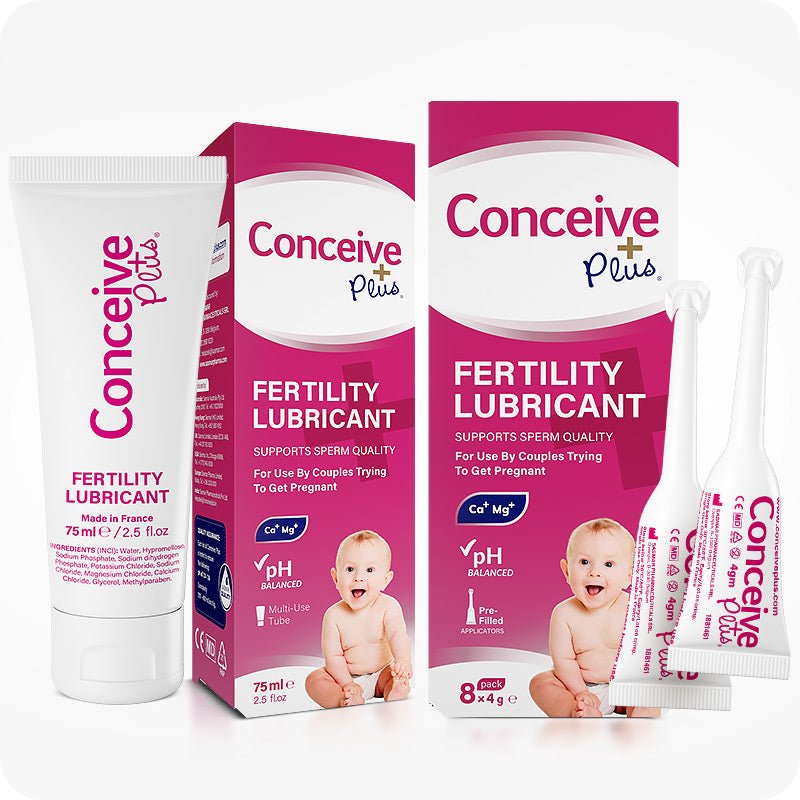
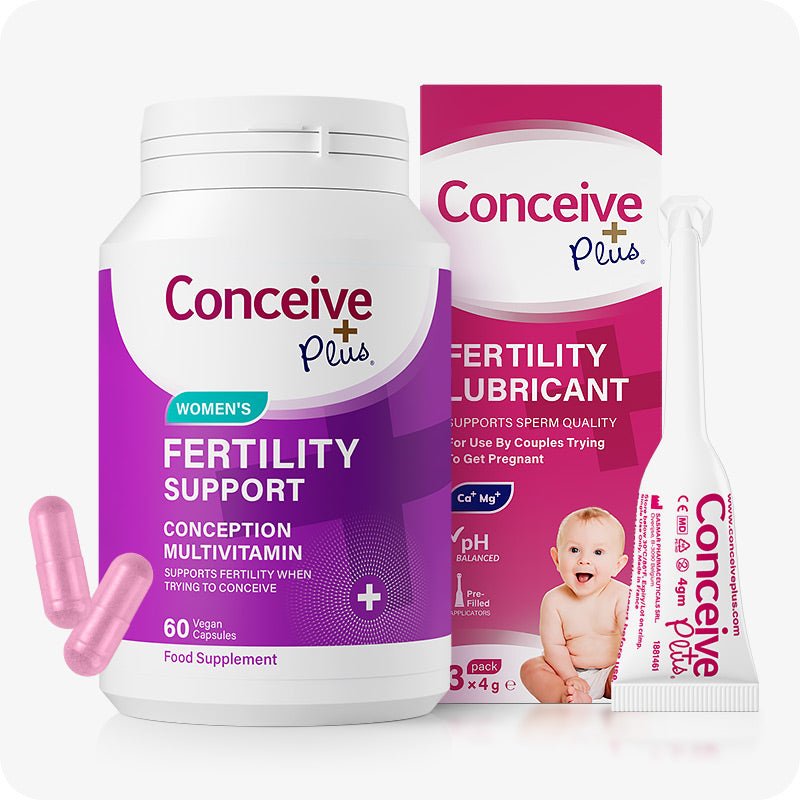
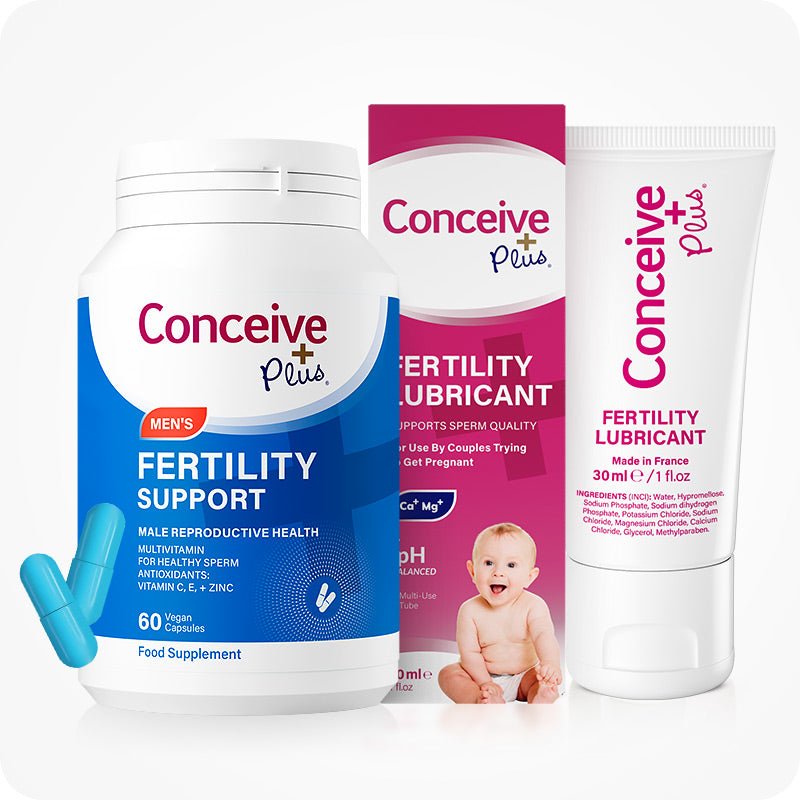
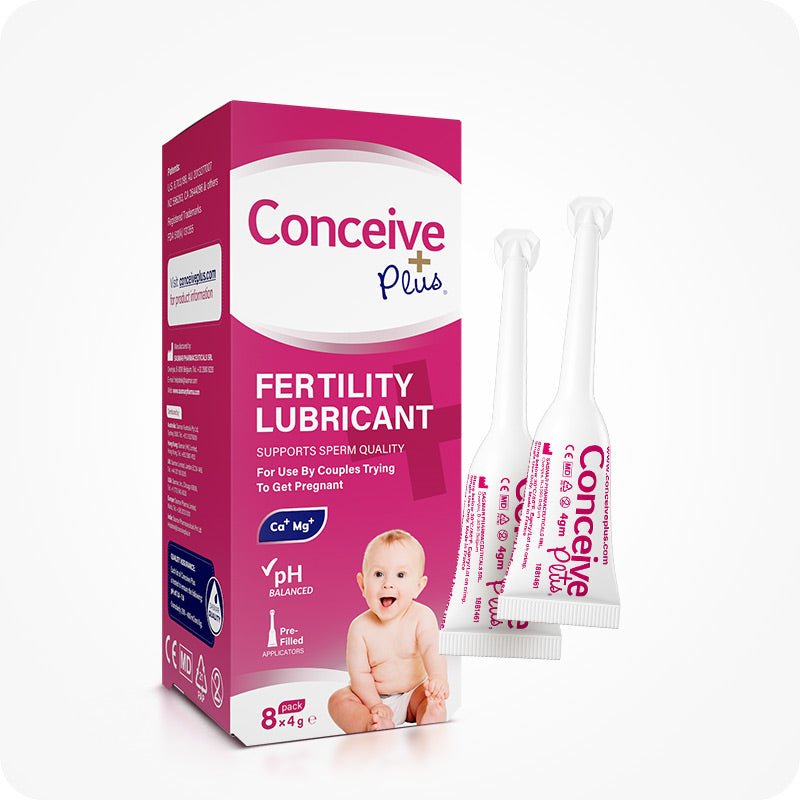
Conceive Plus fertility lubricant is specifically formulated to support sperm function in this context. With a pH of 7.0–7.5 and calcium and magnesium ions that mirror fertile cervical mucus, Conceive Plus compensates when your body's own mucus is insufficient. It's the lubricant most widely used in fertility clinics across Europe, and it is particularly relevant for PCOS patients who may have compromised natural mucus.
Shop Conceive Plus Fertility Lubricant for PCOS →
Tracking Ovulation with PCOS
Because PCOS causes irregular cycles, standard 28-day cycle ovulation tracking (e.g., assuming ovulation on day 14) doesn't apply. Better approaches for PCOS include:
- Ovulation Predictor Kits (OPKs): Test from early in your cycle and test daily. LH surges can be misleading in PCOS (LH is often chronically elevated), so look for a surge that is clearly darker than the control line. Digital OPKs that also measure oestrogen (like Clearblue Advanced) are more reliable.
- Basal Body Temperature (BBT): Confirms ovulation after the fact (temperature rises after ovulation). Not predictive, but when combined with OPKs it gives a complete picture.
- Monitoring ultrasound: If using ovulation induction medication, your clinic will track follicle development via serial ultrasound to identify your fertile window precisely.
- Cycle mapping apps with irregular cycle support: Apps like Ovia, Natural Cycles, or Clue have PCOS-specific modes that adapt to variable cycle lengths.
Frequently Asked Questions: PCOS and Fertility
Q: Can I get pregnant naturally with PCOS?
A: Yes — many women with PCOS conceive naturally, particularly those with mild-to-moderate hormone disruption and who still ovulate (even if infrequently). Lifestyle changes, cycle tracking, and targeted supplements significantly improve natural conception rates.
Q: Does PCOS get better with age?
A: Some aspects of PCOS may improve — androgen symptoms can become less pronounced with age. However, ovulatory irregularity typically persists until menopause. The silver lining: PCOS is associated with higher ovarian reserve (more eggs), meaning women with PCOS may have more fertility potential later in their reproductive years compared to women without PCOS.
Q: Is PCOS hereditary?
A: There is a strong genetic component to PCOS. Daughters of women with PCOS have approximately a 50% chance of inheriting the condition. Sisters of women with PCOS have a roughly 32% prevalence. If PCOS runs in your family, early screening is recommended.
Q: Does PCOS increase miscarriage risk?
A: Research suggests PCOS may be associated with a modestly increased risk of miscarriage, possibly related to insulin resistance, elevated LH, and androgen effects on egg and embryo quality. Metformin taken through the first trimester may reduce miscarriage risk in some PCOS subgroups — discuss with your consultant.
Q: Should I avoid birth control before TTC if I have PCOS?
A: Discontinue hormonal contraception 3–6 months before TTC so your cycle can re-establish itself. For women with PCOS who relied on the pill to regulate cycles, the return of irregular cycles post-pill is normal and expected.
Q: What tests should my partner have if I have PCOS?
A: A standard semen analysis is always recommended for any couple trying to conceive. PCOS is a female-side diagnosis and doesn't affect male fertility directly, but ruling out male factor simultaneously saves time. Approximately 30–40% of infertility has a male component.
Q: Does the keto diet help PCOS?
A: Some small trials have shown a ketogenic diet can reduce insulin resistance and androgen levels in PCOS. However, it's difficult to maintain long-term and carries risks (including micronutrient deficiencies) during TTC. A low-GI Mediterranean approach is better supported by evidence and more sustainable.
Q: Is inositol safe to take during pregnancy?
A: Myo-inositol appears safe through early pregnancy based on current trials. Some PCOS management protocols continue it through the first trimester. However, always confirm with your OB or fertility consultant before continuing any supplement after a positive test.
Q: Can PCOS cause problems during pregnancy?
A: Women with PCOS have higher rates of gestational diabetes, pregnancy-induced hypertension, and preterm birth. Regular monitoring by a maternal-fetal medicine specialist is recommended. Early lifestyle intervention reduces these risks significantly.
Q: How long does it take to conceive with PCOS?
A: It varies widely. With lifestyle optimisation and medical treatment (letrozole), many women conceive within 6–12 months. Others require additional interventions. The key is not waiting too long before seeking specialist support — if you haven't conceived within 12 months (or 6 months if over 35), consult a reproductive endocrinologist.
The PCOS Fertility Journey: A Realistic and Hopeful Outlook
PCOS is the most common cause of anovulatory infertility — but it is also the most treatable. With a structured approach combining lifestyle medicine, targeted supplementation, and evidence-based medical intervention, the majority of women with PCOS achieve their goal of parenthood.
You are not at a disadvantage in the long game. Women with PCOS typically have higher ovarian reserves, which means more eggs and more options for longer. With the right knowledge, the right team, and the right support — including tools like Conceive Plus lubricant and fertility supplements — your path to pregnancy is real and achievable.