IVF Preparation: A Complete Guide to Optimising Your Body Before Treatment


Embarking on IVF (in vitro fertilisation) is a profound decision that requires careful preparation — not just emotionally, but physically and nutritionally. While your fertility clinic manages the medical protocol, what you do in the months before treatment begins can meaningfully influence your egg quality, sperm quality, embryo development, and ultimately your chance of a successful cycle. This comprehensive guide covers everything European women should know about IVF preparation — from the lifestyle changes with the strongest evidence to the targeted supplements that support egg quality and endometrial receptivity.
Why IVF Preparation Matters: Understanding the Timeline
IVF success rates vary considerably with age, egg quality, and embryo quality. In Europe, average live birth rates per initiated cycle are approximately 32% for women under 35, 25% for ages 35–37, 15% for ages 38–40, and under 8% for women over 40 (European Society of Human Reproduction and Embryology data, 2022). While these numbers reflect the complexity of fertility, they also reveal that there is meaningful room for improvement — particularly through interventions that address egg quality.
Egg quality is determined during the 90-day folliculogenesis process — the window in which a primordial follicle grows to a mature, ovulation-ready egg. This means that what you do in the 3–4 months before your egg retrieval date directly influences the quality of the eggs collected. Similarly, sperm take 72–74 days to develop, meaning your partner's preparation should also begin well before the IVF cycle.
Preparation is not about adding stress to an already difficult process. It's about channelling the control you do have — nutrition, supplementation, lifestyle — into maximising your cycle's potential.
Optimising Egg Quality: The Nutritional Foundation
Egg quality cannot be measured directly, but it manifests in fertilisation rates, embryo development speed and quality, and ultimately implantation and live birth. The following nutrients have the most robust evidence for supporting egg quality:
CoQ10 (Ubiquinol)
This is arguably the most important supplement for IVF preparation, particularly for women over 35. Eggs require enormous mitochondrial energy to complete meiosis (the final cell division before fertilisation). CoQ10 is essential for mitochondrial function and also acts as a powerful antioxidant that protects eggs from oxidative damage during the stimulation phase.
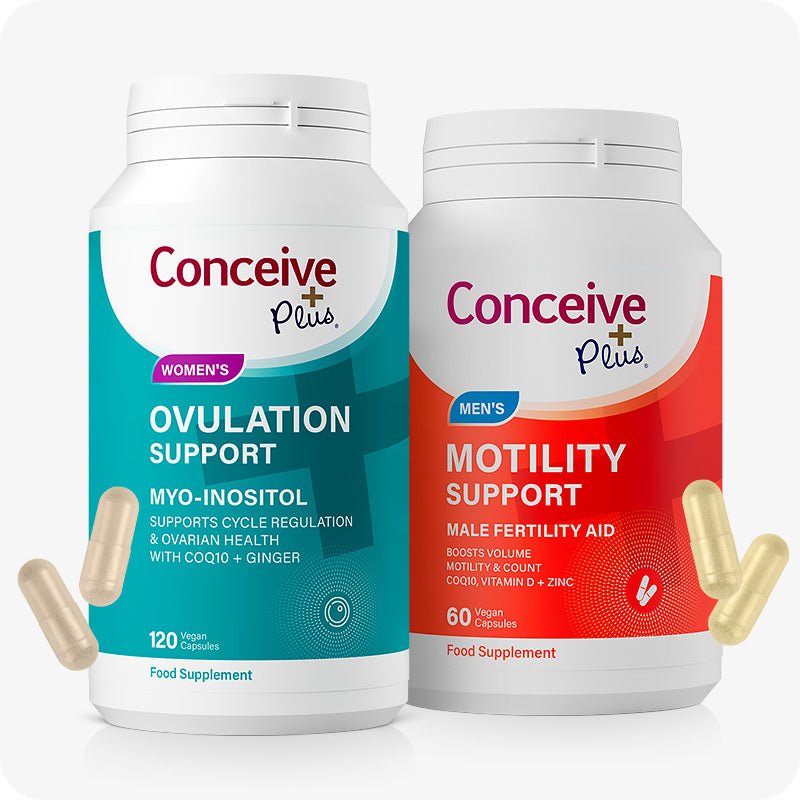
A landmark 2018 RCT published in Fertility and Sterility found that poor ovarian responders who supplemented with 600 mg/day CoQ10 for 60 days before IVF had significantly more retrieved eggs, more mature eggs, more high-quality embryos, and a higher clinical pregnancy rate compared to placebo. The ubiquinol form (reduced CoQ10) is more bioavailable, especially in older women, and is the form used in Conceive Plus fertility formulas.
L-Methylfolate
Standard folic acid requires enzymatic conversion to its active form, 5-MTHF (L-methylfolate). Women with MTHFR gene variants — estimated at 40–60% of the European population — cannot efficiently convert folic acid, making L-methylfolate supplementation directly superior. Methylfolate supports DNA replication in rapidly dividing cells (including developing eggs), homocysteine metabolism, and endometrial health. Elevated homocysteine is associated with poorer IVF outcomes and recurrent miscarriage.
Vitamin D
Vitamin D deficiency (below 50 nmol/L) is extremely common in northern European countries, particularly in winter months. Studies consistently show that adequate vitamin D status is associated with better IVF outcomes — a 2014 meta-analysis of 9 studies found women with sufficient vitamin D had significantly higher live birth rates in IVF than deficient women. Vitamin D receptors are expressed in ovarian cells and the endometrium, explaining its influence on both egg quality and implantation.
DHEA (Dehydroepiandrosterone)
DHEA is an adrenal hormone precursor that increases ovarian testosterone, improving the microenvironment for follicular development. Meta-analyses of RCTs show DHEA supplementation (25–75 mg/day for 8–12 weeks before IVF) improves response in poor ovarian responders — more eggs retrieved, higher fertilisation rates, and better pregnancy rates. It should only be used under medical supervision as it may not be appropriate for all women (particularly those with hormone-sensitive conditions).
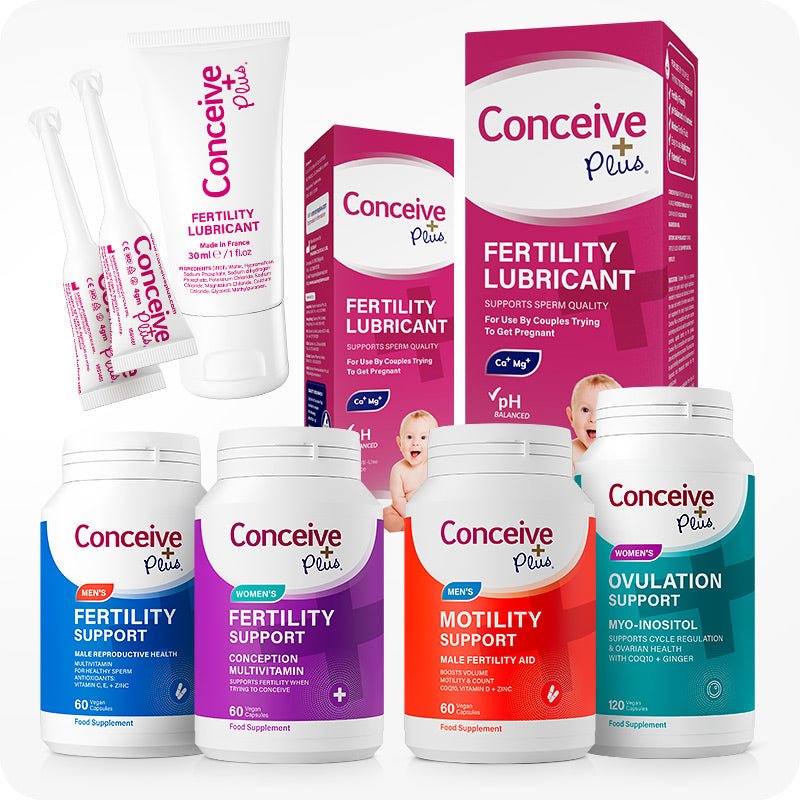
Prepare your body for IVF with evidence-based support. Conceive Plus offers clinically-formulated supplements designed to support egg quality and fertility for European women heading into IVF. Shop Conceive Plus Europe →
The Role of Antioxidants in IVF Success
Oxidative stress — the imbalance between reactive oxygen species (ROS) and the body's antioxidant defences — is a major contributor to poor egg quality and failed IVF cycles. Follicular fluid in the ovaries is a direct environment for developing eggs, and its antioxidant status measurably correlates with egg maturity and embryo quality.
Key antioxidant supplements for IVF preparation:
- Vitamin E (200–400 IU/day as mixed tocopherols): Fat-soluble antioxidant that protects cell membranes from lipid peroxidation in follicular fluid
- Vitamin C (500–1,000 mg/day): Water-soluble antioxidant that works synergistically with vitamin E and supports endometrial blood flow
- Alpha-lipoic acid (300–600 mg/day): A uniquely versatile antioxidant that functions in both aqueous and lipid environments, and regenerates other antioxidants. Research in animal models shows ALA improves mitochondrial function in aging eggs — human data is emerging
- N-acetylcysteine (NAC): A precursor to glutathione — the body's master antioxidant — NAC has been studied specifically in women with PCOS undergoing IVF, where it improved follicular response and pregnancy rates
- Melatonin: Yes — melatonin is not just a sleep hormone. Melatonin concentrations are higher in follicular fluid than in blood, suggesting a specific protective role for eggs. A 2013 Japanese RCT found melatonin (3 mg/day) improved egg quality and pregnancy rates in poor-quality-egg patients undergoing IVF
Optimising Male Factor Before IVF
Even in IVF, sperm quality matters significantly. Sperm DNA fragmentation — a measure of DNA damage inside sperm heads — strongly predicts fertilisation failure, poor embryo quality, and miscarriage, and is not captured in routine semen analysis. High sperm DNA fragmentation (>25%) is associated with dramatically worse IVF outcomes even with ICSI (intracytoplasmic sperm injection).
For male partners preparing for IVF, the key supplements are:
- Antioxidants (vitamins C, E, CoQ10) to reduce oxidative damage to sperm DNA
- Zinc and selenium for sperm maturation and protection in the epididymis
- Folate for DNA synthesis integrity during spermatogenesis
- L-carnitine to support sperm motility — particularly important for ICSI where motility is less critical but DNA quality remains central
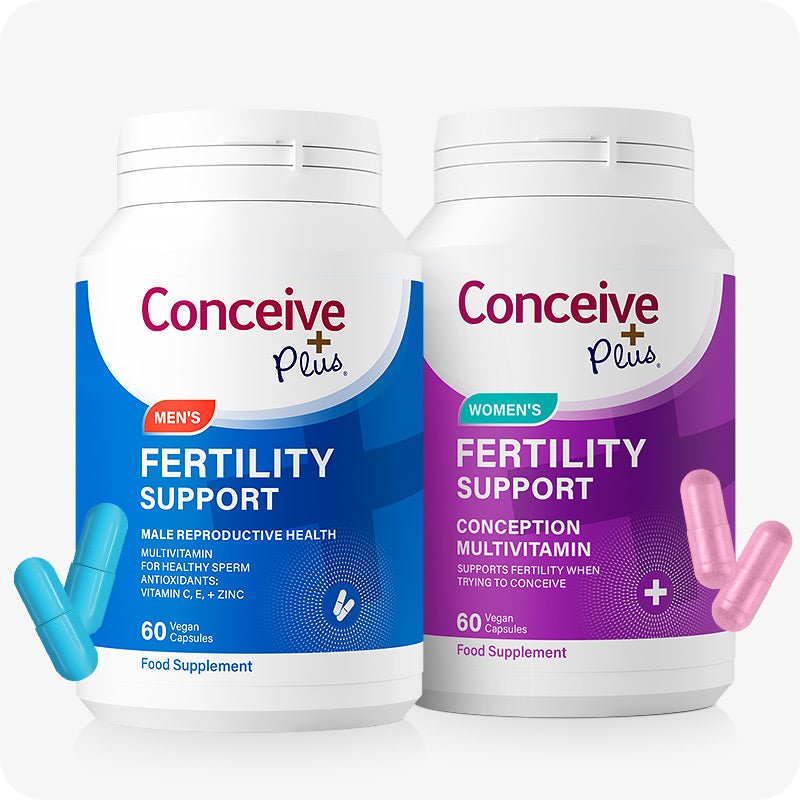
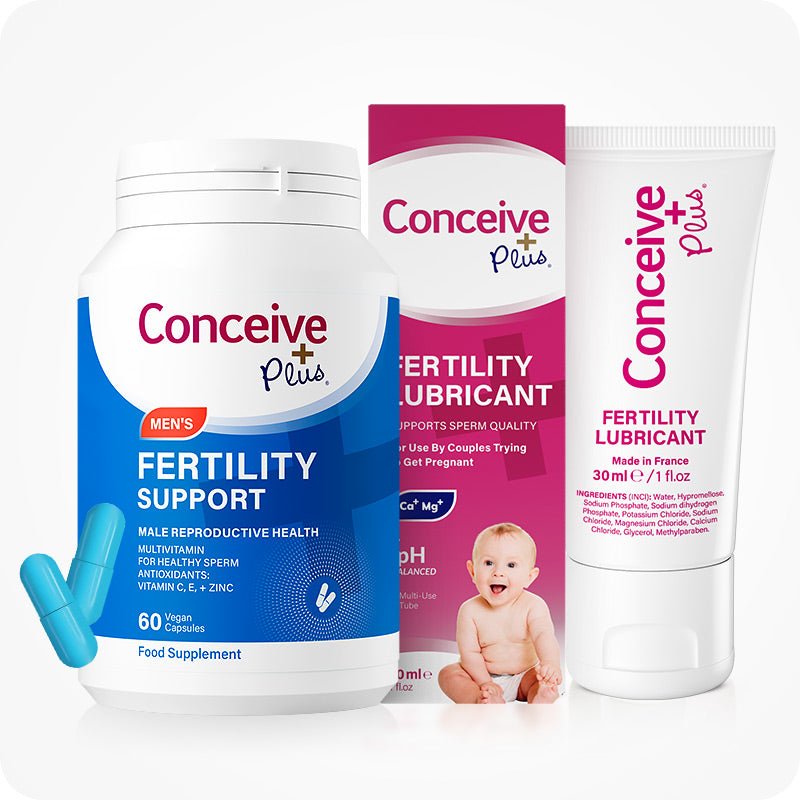
Ideally, male preparation should begin 3 months before egg retrieval. Conceive Plus Men's Fertility Supplement provides this comprehensive nutritional support in one daily formula, making compliance significantly easier during an already demanding IVF cycle.
Lifestyle Optimisation for IVF
Supplements work best as part of a comprehensive lifestyle approach:
Diet
A Mediterranean-style diet is the most consistently research-supported eating pattern for better IVF outcomes. A 2018 study in Human Reproduction found European women who closely followed a Mediterranean diet in the 6 months before IVF had a 66% higher chance of achieving clinical pregnancy and a 65% higher chance of live birth. Key elements: abundant vegetables and fruits, olive oil as the primary fat, legumes, whole grains, and oily fish 2–3 times per week. Minimise ultra-processed foods, red meat, and sugar.
Exercise
Moderate exercise (150 minutes/week of brisk walking, swimming, yoga, or cycling) is associated with better IVF outcomes. Intense exercise (marathon training, competitive sports) should be reduced during the stimulation and transfer phases as it can affect hormone levels and uterine blood flow.
Sleep
Sleep is the period of peak melatonin production, cellular repair, and hormone regulation. Poor sleep (under 7 hours/night) is associated with lower AMH levels, worse ovarian response, and higher cortisol — all negatively affecting IVF outcomes. Prioritise sleep hygiene: consistent bedtimes, dark cool room, and reducing screen time before bed.
Alcohol and Caffeine
Both should be minimised. Studies show even moderate alcohol intake is associated with reduced IVF success rates — most fertility experts recommend complete abstinence during the treatment cycle. Caffeine should be limited to under 200 mg/day (approximately 1–2 espressos).
Stress Management
IVF is inherently stressful, and evidence shows that high psychological distress is associated with modestly lower success rates (though the effect is smaller than often feared). Mind-body interventions — fertility-specific counselling, yoga, mindfulness, acupuncture — have been studied for IVF and show benefits for anxiety and quality of life, with some studies showing modest improvements in pregnancy rates.
Endocrine Disruptors
Minimise exposure to BPA (swap plastic food containers for glass or stainless steel), phthalates (choose fragrance-free personal care products), and pesticides (wash produce thoroughly; consider organic for high-residue items). These chemicals interfere with hormone signalling and have been associated with poorer IVF outcomes in research.
The IVF Preparation Timeline: When to Start What
A practical preparation schedule:
6+ months before IVF: Begin dietary optimisation. Address significant lifestyle factors (quit smoking, reduce alcohol, normalise weight if needed). Begin moderate exercise routine.
3–4 months before egg retrieval: Begin CoQ10 supplementation (600 mg/day ubiquinol). Begin L-methylfolate, vitamin D (especially if deficiency confirmed by blood test), and antioxidant supplementation. Male partner begins men's fertility supplement at the same time.
8–12 weeks before retrieval: Add DHEA if recommended by your doctor (particularly for poor ovarian responders). Continue full supplement protocol.
During stimulation: Continue folate, vitamin D, and antioxidants. Reduce high-intensity exercise. Maximise sleep. Discuss with your clinic which supplements to pause before retrieval (some clinics prefer to pause antioxidants 1 week before retrieval, others don't).
Transfer and beyond: Continue folate and vitamin D. Progesterone supplementation is typically prescribed by your clinic. Maintain dietary patterns and sleep.
FAQ: IVF Preparation for European Women
How long before IVF should I start preparing?
Ideally 3–6 months — enough time for at least one full egg maturation cycle (90 days) to benefit from nutritional and lifestyle interventions. Even 8 weeks of CoQ10 supplementation has shown benefits in published research.
Does CoQ10 really improve egg quality?
The evidence is promising, particularly for women over 35 and poor ovarian responders. The 2018 RCT by Xu et al. in Fertility and Sterility showed clinically meaningful improvements in egg number, quality, and pregnancy rate. CoQ10 declines with age, making supplementation increasingly relevant as women age.
Should I take melatonin before IVF?
The evidence is encouraging — particularly for women with poor egg quality. However, as melatonin affects sleep cycles and other hormonal pathways, it should be discussed with your fertility doctor before starting, especially as you approach the stimulation phase.
Is DHEA safe before IVF?
DHEA is appropriate for selected patients — particularly poor ovarian responders — but should only be used under direct medical supervision. It is not recommended for everyone, particularly women with normal ovarian reserve or hormone-sensitive conditions.
Can I exercise during IVF stimulation?
Light to moderate exercise (walking, gentle yoga) is generally safe and beneficial. High-intensity exercise should be reduced during stimulation as the ovaries enlarge and become more vulnerable, and intense exercise can affect hormone levels. Follow your clinic's specific guidance.
Should I change my diet while taking IVF medication?
A Mediterranean-style diet continues to be ideal. Stay well-hydrated (particularly important during stimulation to reduce OHSS risk). Limit alcohol completely during the treatment cycle. Some clinics recommend a low-glycaemic diet during stimulation.
How does vitamin D affect IVF outcomes?
Multiple studies show women with sufficient vitamin D (>75 nmol/L) have significantly better IVF outcomes — more eggs, better quality embryos, and higher live birth rates. Get your levels tested and supplement accordingly if you're below optimal levels. Northern European women are particularly at risk of deficiency.
Does my male partner need to prepare for IVF too?
Yes — sperm quality significantly affects fertilisation rates, embryo quality, and miscarriage risk, even in ICSI. Male partner should begin a men's fertility supplement 3 months before egg retrieval, and optimise lifestyle (quit smoking, reduce alcohol, manage stress, avoid heat to the testes).
Are Conceive Plus supplements safe to use before and during IVF?
Conceive Plus supplements use evidence-based nutrient forms at safety-reviewed doses. Always inform your fertility clinic of any supplements you're taking so they can advise based on your specific protocol. Most clinics support the core nutrients (folate, vitamin D, CoQ10, antioxidants) but may have specific guidance on timing.
Can IVF preparation improve success rates significantly?
The honest answer is: it can improve the conditions for success, but outcomes are also influenced by factors supplements cannot change (age-related chromosomal changes, uterine anatomy, genetic factors). The value of preparation is maximising the quality of what you can control — and reducing modifiable contributors to poor outcomes like oxidative stress, nutritional deficiencies, and lifestyle factors.
Prepare for IVF with Conceive Plus
Clinically-formulated fertility supplements trusted by European couples preparing for IVF. Give yourself the best possible foundation for your treatment cycle.
Shop Conceive Plus Europe →