IVF Preparation: Evidence-Based Tips to Maximise Your Chances


IVF Preparation Tips: Evidence-Based Strategies to Maximise Your Chances of Success
Preparing for IVF is one of the most significant things many couples will ever do. The process is physically demanding, emotionally intense, and financially substantial — which is why doing everything within your power to optimise your chances matters enormously.
This comprehensive guide covers the evidence-based IVF preparation tips that reproductive medicine specialists actually recommend — going well beyond generic advice to give you actionable, science-supported strategies. Conceive Plus is proud to support couples through every step of their fertility journey, including IVF preparation.
IVF Preparation Starts 3–6 Months Before Your Cycle
One of the most important IVF preparation tips is also one of the least followed: start preparing well in advance. Egg and sperm quality cannot be changed overnight. The eggs being retrieved in your upcoming cycle began their maturation approximately 90 days ago.
This means nutritional, lifestyle, and medical optimisations need to be in place well before your egg retrieval date to have full effect. Ideally, begin your preparation at least 3 months out — 6 months is even better for those with specific health challenges.
Nutrition for IVF Success: What the Evidence Shows
Ready to support your fertility journey?
Shop Conceive Plus →Diet has a measurable impact on IVF outcomes. The Mediterranean diet pattern has the strongest evidence base:
- Olive oil as the primary fat source — rich in monounsaturated fats and anti-inflammatory compounds
- Abundant vegetables and fruit — provides antioxidants that protect egg and sperm DNA
- Legumes and whole grains — slow-release carbohydrates that maintain stable insulin levels
- Fish 2–3 times weekly — omega-3 fatty acids are critical for egg membrane quality
- Minimal red and processed meat
- Limited alcohol — ideally zero during the IVF cycle itself
A Harvard study of 147 IVF patients found that women with the highest adherence to the Mediterranean diet had a 65–68% live birth rate, compared to just 26% in the lowest adherence group. That's a dramatic difference attributable to dietary pattern alone.
Key Supplements for IVF Preparation
While your clinic may prescribe specific medications, several supplements have evidence supporting their role in IVF outcomes:
For women:
- CoQ10 (ubiquinol form): 400–600mg daily — improves mitochondrial function in eggs, particularly important for women over 35
- DHEA: 25–75mg daily for poor responders — discuss with your doctor first as it's not appropriate for everyone
- Folic acid: 400–800mcg daily minimum; some clinics recommend methylfolate for those with MTHFR variants
- Vitamin D: Optimal levels (50–80 nmol/L) are associated with better implantation rates. Test and supplement accordingly.
- Omega-3 fatty acids: 2–4g daily — reduces inflammation and supports egg quality
- Melatonin: 3mg at night during stimulation phase — some evidence for improved egg quality
For men (sperm quality matters even in IVF/ICSI):
- CoQ10: 200–400mg daily
- Zinc + selenium: Reduces DNA fragmentation
- Vitamin C + E: Antioxidant protection
- L-carnitine: Improves mitochondrial function in sperm
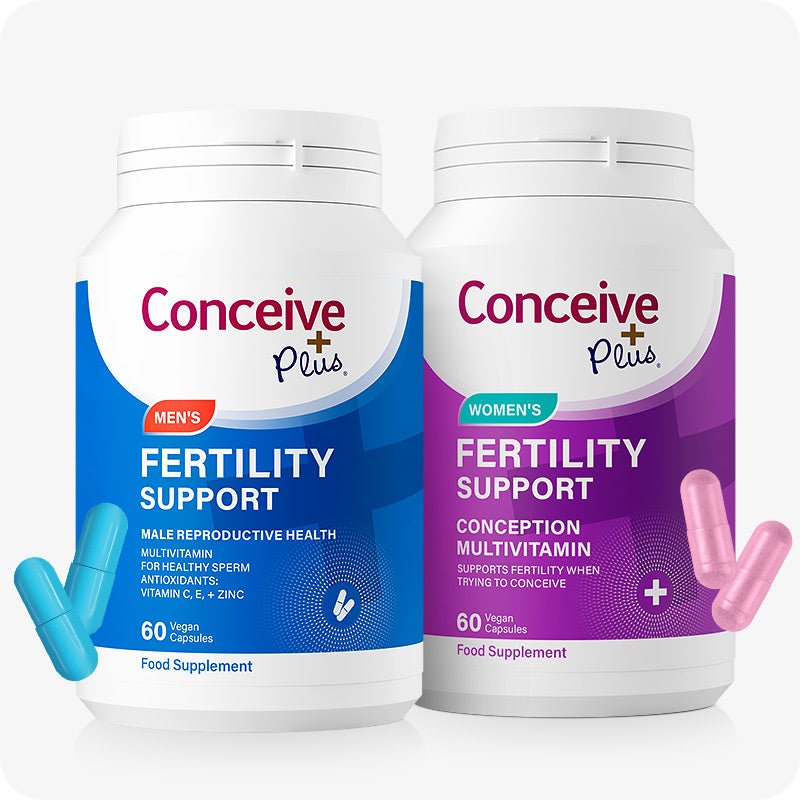
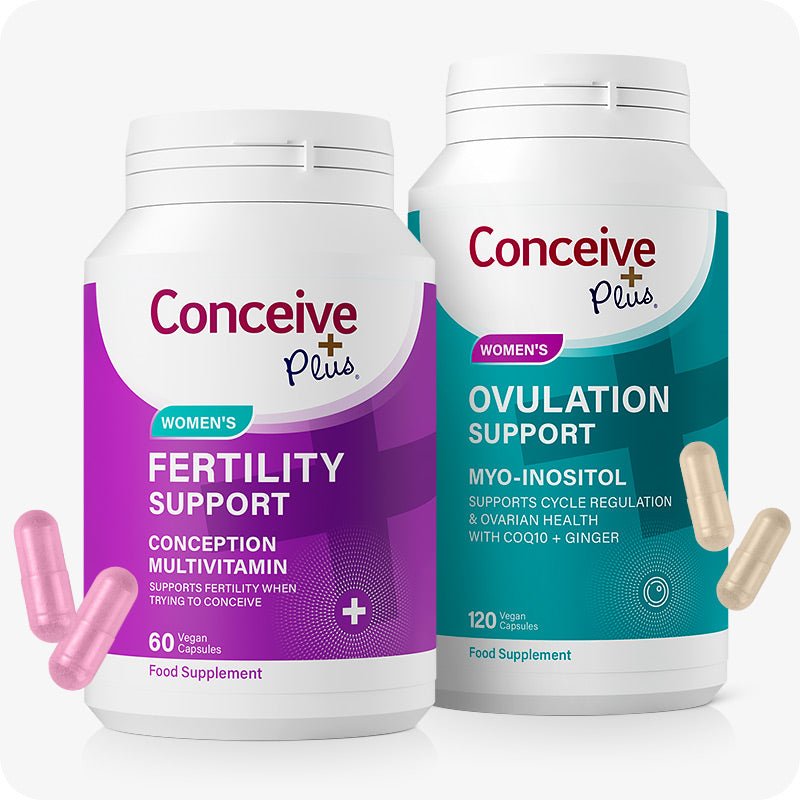
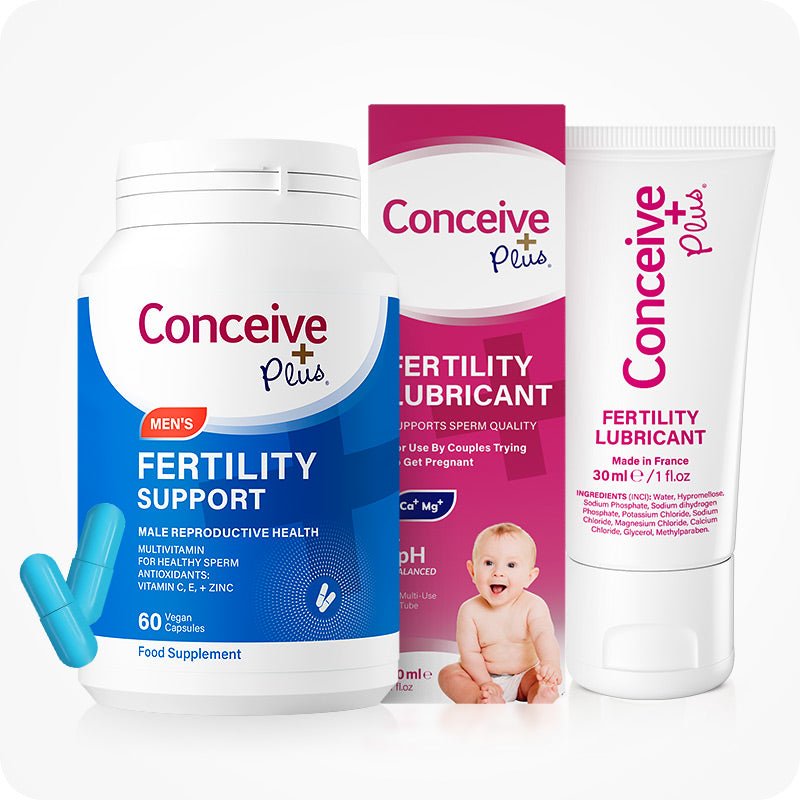
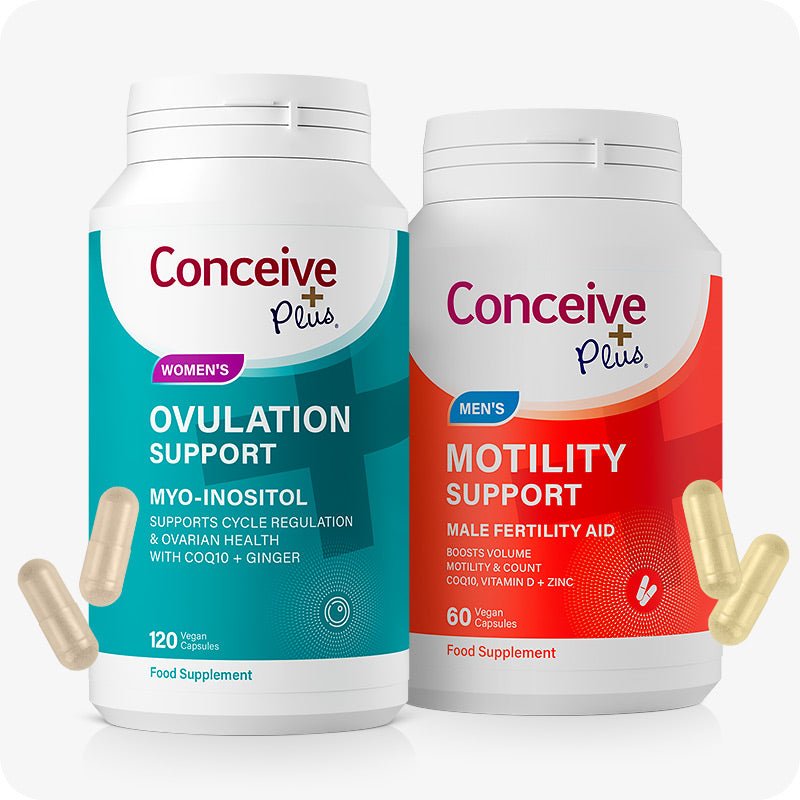
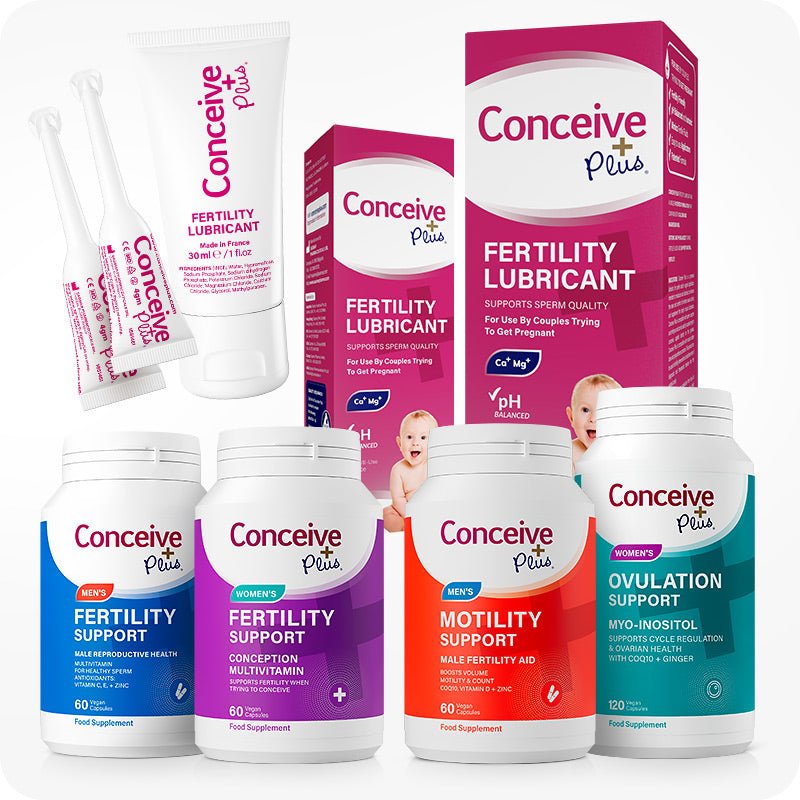
Conceive Plus offers targeted fertility support supplements for both partners, designed to complement your IVF preparation protocol.
Lifestyle Optimisation for IVF
The following lifestyle factors have direct evidence linking them to IVF outcomes:
Weight management: BMI above 30 is associated with reduced response to stimulation, lower pregnancy rates, and higher miscarriage risk. Even modest weight loss (5–10%) before IVF can significantly improve outcomes for overweight women.
Exercise: Moderate exercise (30 minutes, 3–5 times per week) is associated with better outcomes. Avoid intense exercise during stimulation — it can stress the ovaries and potentially increase OHSS risk. Gentle walking and yoga are ideal.
Sleep: 7–9 hours nightly. Melatonin (produced during sleep) is directly involved in egg maturation. Sleep deprivation elevates cortisol, which impairs reproductive hormones.
Stress management: While stress alone doesn't cause IVF failure, chronic stress elevates cortisol and adrenaline, which can interfere with implantation. Evidence-based approaches include mindfulness-based stress reduction (MBSR), acupuncture, and cognitive behavioural therapy (CBT).
What to Avoid Before and During IVF
Equally important to what you do is what you avoid:
- Alcohol: Even moderate consumption reduces IVF success rates; avoid completely during your cycle
- Smoking: Reduces ovarian reserve and egg quality; quitting at least 3 months before IVF is strongly recommended
- Caffeine: Limit to ≤200mg daily (about one espresso); higher amounts associated with reduced implantation
- Endocrine-disrupting chemicals (EDCs): Found in many plastics, personal care products, and pesticides — switch to glass storage, natural cleaning products, and organic produce where possible
- Extreme heat: Hot baths, saunas, and tight clothing raise scrotal temperature (for male partners) — limit these in the 3 months before egg retrieval/ICSI
The Emotional Side of IVF Preparation
IVF is not just a medical process — it's an emotional marathon. Research shows that couples who engage with psychological support during IVF have significantly lower drop-out rates and report better quality of life throughout the process.
Practical strategies:
- Decide in advance how much you'll share with friends/family (information control reduces pressure)
- Establish a communication agreement with your partner about how you'll support each other
- Identify your trusted inner circle — 1–3 people who know what you're going through
- Find a fertility counsellor or support group before you need them, not after
- Plan gentle self-care activities for difficult days (the day before/after transfer is often hard)
Working With Your Clinic: IVF Preparation Questions to Ask
Being an informed patient improves outcomes. Here are key questions to ask your fertility team before starting:
- What protocol will I be using, and why?
- What are my AMH and AFC results, and what do they mean for my stimulation plan?
- Should I consider genetic testing (PGT-A) for embryos?
- What adjuvant treatments do you offer (endometrial scratch, ERA testing, etc.)?
- What will happen if I don't respond well to stimulation?
- What's the clinic's policy on freeze-all cycles?
Frequently Asked Questions About IVF Preparation
Q: How long should I prepare before my first IVF cycle?
A: Ideally 3–6 months for nutritional and lifestyle changes to have full impact on egg quality. However, even 6–8 weeks of focused preparation is better than none.
Q: Can I exercise during IVF stimulation?
A: Light to moderate exercise (walking, gentle yoga) is generally fine. Avoid high-impact or high-intensity exercise once stimulation begins, as enlarged ovaries can torsion with vigorous movement.
Q: Does acupuncture really help IVF success?
A: Evidence is mixed. Some studies show benefit for stress reduction; direct impact on IVF success rates is debated. Many women find it helpful for managing the stress of the process regardless of direct fertility effects.
Q: Should I take CoQ10 even if I'm under 35?
A: CoQ10 has no known downsides and is beneficial at any age. It's particularly impactful for women over 35, poor responders, or those with diminished ovarian reserve.
Q: What's the best diet immediately before egg retrieval?
A: During stimulation, focus on protein, healthy fats, and hydration. Reduce refined carbohydrates and sugar. Some clinics recommend a "bloat-reducing" diet in the final week to minimise OHSS symptoms.
Q: Is it safe to use lubricant during natural conception attempts between IVF cycles?
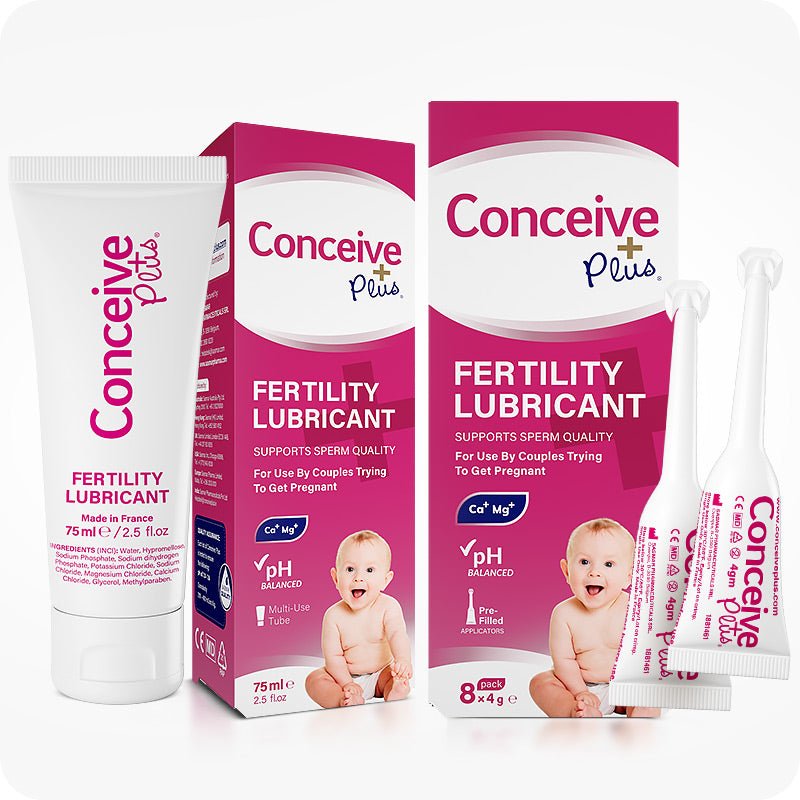
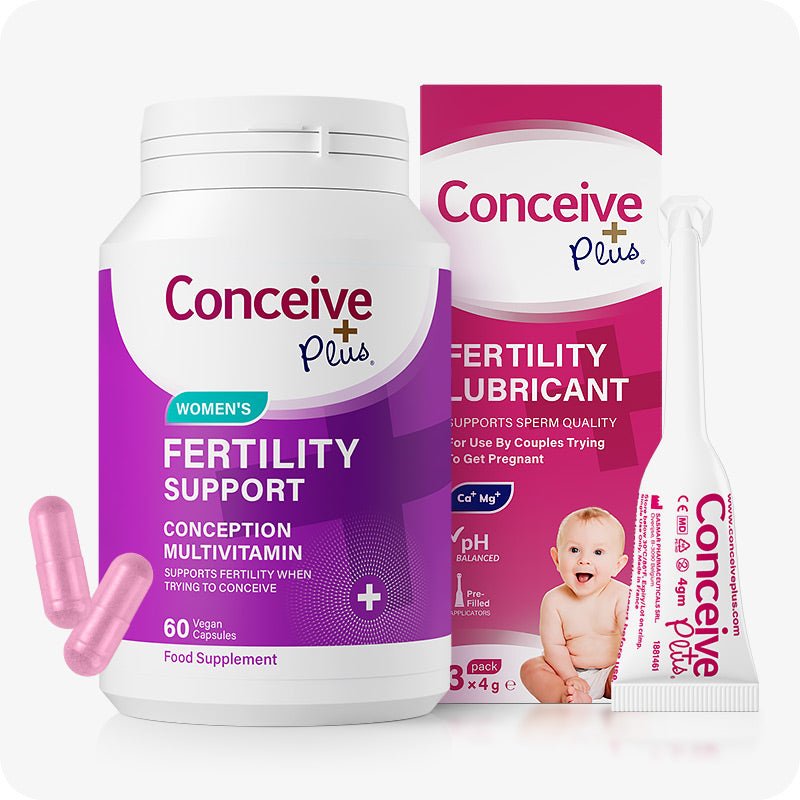
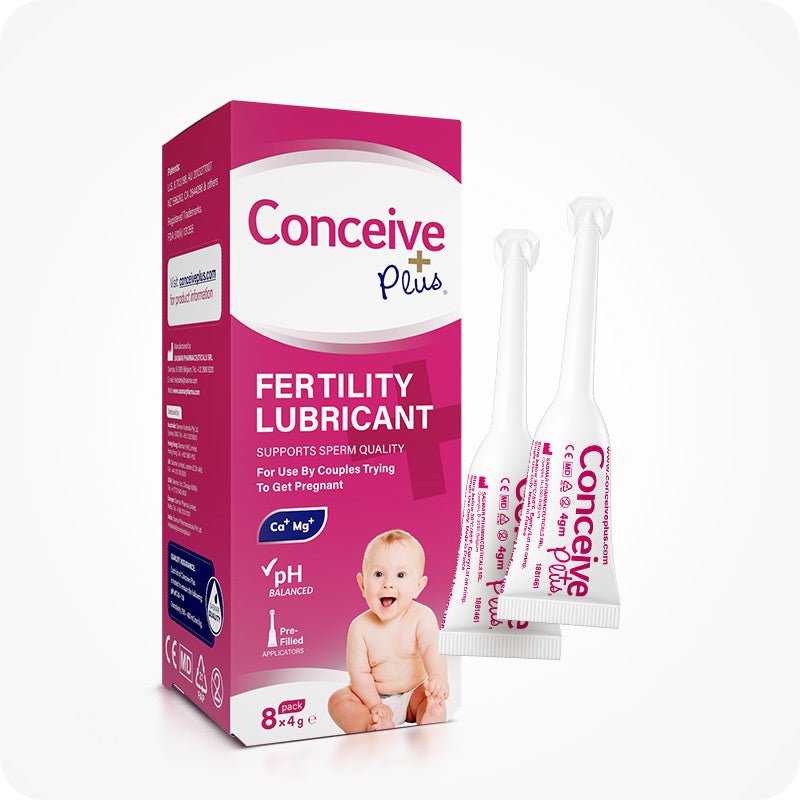
A: Yes — use a fertility-friendly lubricant like Conceive Plus if trying naturally between medicated cycles. Avoid standard lubricants.
Q: Can stress cause IVF failure?
A: Stress alone is unlikely to cause failure, but chronic high cortisol can impair implantation and alter hormone balance. Managing stress is worthwhile regardless of direct impact.
Q: How many IVF cycles should I expect?
A: Cumulative success rates over multiple cycles are significantly higher than per-cycle rates. Many fertility specialists recommend planning for up to 3 cycles before evaluating whether to change approach.
Q: Are there supplements I should stop before egg retrieval?
A: Your clinic will advise. Typically, blood-thinning supplements (fish oil, vitamin E in high doses) may be paused before retrieval. Always disclose all supplements to your medical team.
Q: Where can I find Conceive Plus fertility supplements in Europe?
A: Conceive Plus is available across Europe from pharmacies, fertility clinics, and directly from conceiveplus.eu.
Thousands of couples trust Conceive Plus. Join them today.
Explore Products →