Endometriosis and Fertility: A Comprehensive Guide to Understanding Your Conception Options


Endometriosis and Fertility: A Comprehensive Guide to Understanding Your Conception Options
Endometriosis is one of the most complex and misunderstood conditions in reproductive medicine. Affecting approximately 10% of women of reproductive age worldwide — an estimated 190 million women globally — it is also one of the leading causes of infertility, implicated in 25–50% of women undergoing fertility investigations. Yet despite its prevalence, the average time to diagnosis remains a painful 7–10 years, leaving many women in the dark about how this condition is affecting their ability to conceive.
What Is Endometriosis and How Does It Affect Fertility?
Endometriosis occurs when tissue similar to the uterine lining grows outside the uterus — most commonly on the ovaries, fallopian tubes, peritoneum, bladder, bowel, and in rare cases, distant sites. The mechanisms by which endometriosis impairs fertility are multiple and interrelated:
- Anatomical distortion: Adhesions can block or displace the fallopian tubes, preventing egg pickup and sperm-egg transport. Ovarian endometriomas can damage surrounding ovarian tissue, reducing egg reserves.
- Inflammatory environment: The peritoneal fluid of women with endometriosis contains elevated inflammatory cytokines, prostaglandins, and activated macrophages that are directly toxic to sperm and may impair fertilisation.
- Altered hormonal environment: Endometriosis is associated with progesterone resistance — the endometrium's diminished response to progesterone — which impairs implantation.
- Egg quality: Women with endometriosis, particularly those with endometriomas, show evidence of reduced egg quality and quantity. The oxidative stress from active endometriosis lesions may directly damage maturing follicles.
- Immune dysregulation: Emerging research suggests that endometriosis involves a fundamental immune system failure — the body's inability to clear endometrial cells outside the uterus.
Stages of Endometriosis and Their Impact on Fertility
Endometriosis is classified into four stages (I–IV) by the ASRM based on the extent of lesions, adhesions, and endometriomas. Counterintuitively, the stage of endometriosis does not reliably predict fertility outcomes. Many women with stage I–II (minimal to mild) disease have significant infertility, while some women with stage III–IV (moderate to severe) conceive naturally.
Fertility Treatment Options for Women with Endometriosis
Expectant Management and Natural Conception: For women with stage I–II endometriosis, adequate ovarian reserve, normal fallopian tube patency, and a fertile male partner, a period of expectant management is a reasonable first approach, particularly if age is under 35.
Surgical Treatment: Laparoscopic surgery to remove or ablate endometriosis lesions can improve fertility in some cases. For women with stage I–II disease, laparoscopy doubles the monthly fecundity rate compared to no treatment. However, ovarian endometrioma surgery carries a real risk of inadvertent removal of healthy ovarian cortex containing primordial follicles.
IUI: IUI with ovarian stimulation improves pregnancy rates in women with minimal-mild endometriosis compared to natural cycles.
IVF: IVF is the most effective assisted reproductive technology for women with moderate-severe endometriosis or those who have not conceived with less invasive approaches. IVF bypasses many of the anatomical and peritoneal barriers endometriosis creates.
Nutrition and Supplementation for Endometriosis Fertility Support
The inflammatory nature of endometriosis makes nutritional intervention a logical complement to medical treatment. An anti-inflammatory nutritional approach can modulate the hormonal and inflammatory environment that drives the condition.
Anti-inflammatory diet: A Mediterranean-style diet — rich in omega-3 fatty acids (oily fish, flaxseed, walnuts), colourful vegetables, legumes, and whole grains, with limited red meat and processed foods — is associated with reduced endometriosis symptoms in epidemiological studies.
Omega-3 supplementation: EPA and DHA (1–2 g daily) reduce prostaglandin E2 production, a key inflammatory mediator in endometriosis.
Vitamin D: Vitamin D deficiency is significantly more prevalent in women with endometriosis. Vitamin D has immunomodulatory properties and may reduce the inflammatory signalling that sustains endometriosis lesions.
N-acetyl cysteine (NAC): A small but notable randomised trial found that NAC significantly reduced endometrioma size and endometriosis-related pain compared to placebo.
CoQ10: The oxidative stress generated by endometriosis activity impairs egg quality. CoQ10 supplementation (400–600 mg daily of ubiquinol) supports mitochondrial function in follicles and may partially counteract the egg quality effects of the condition.
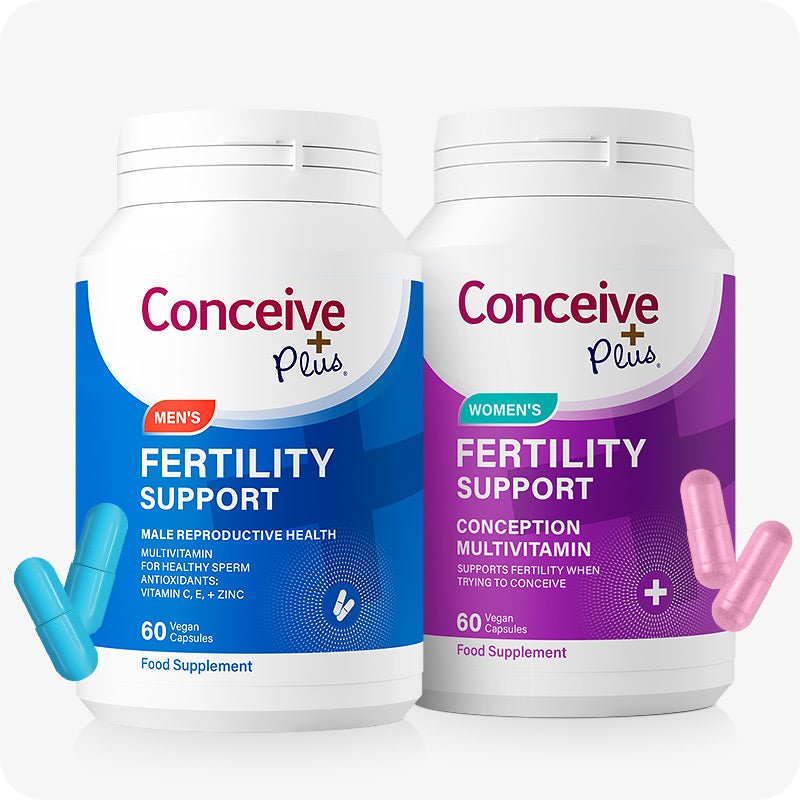
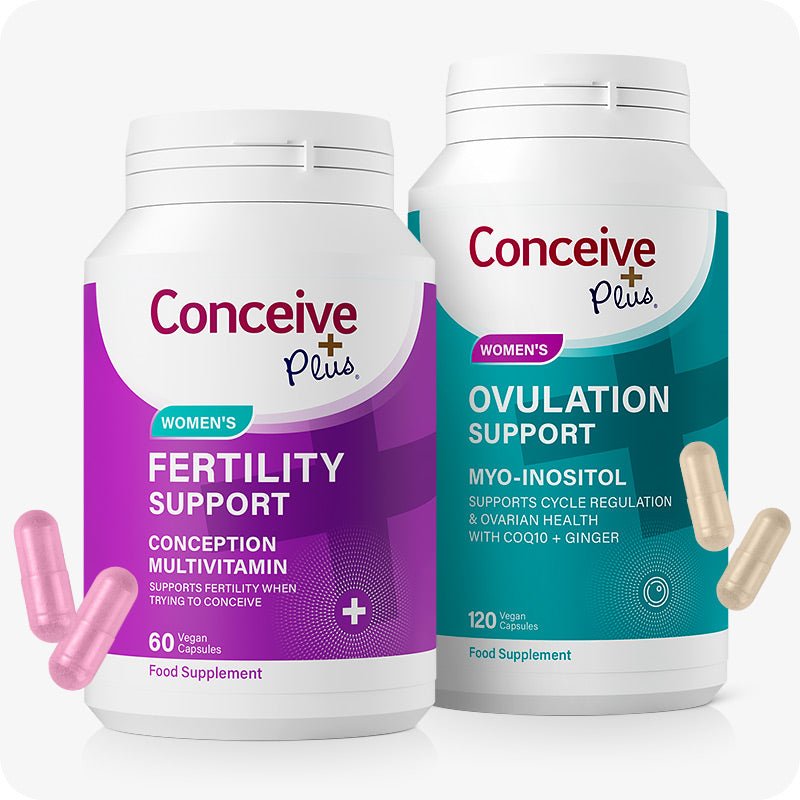
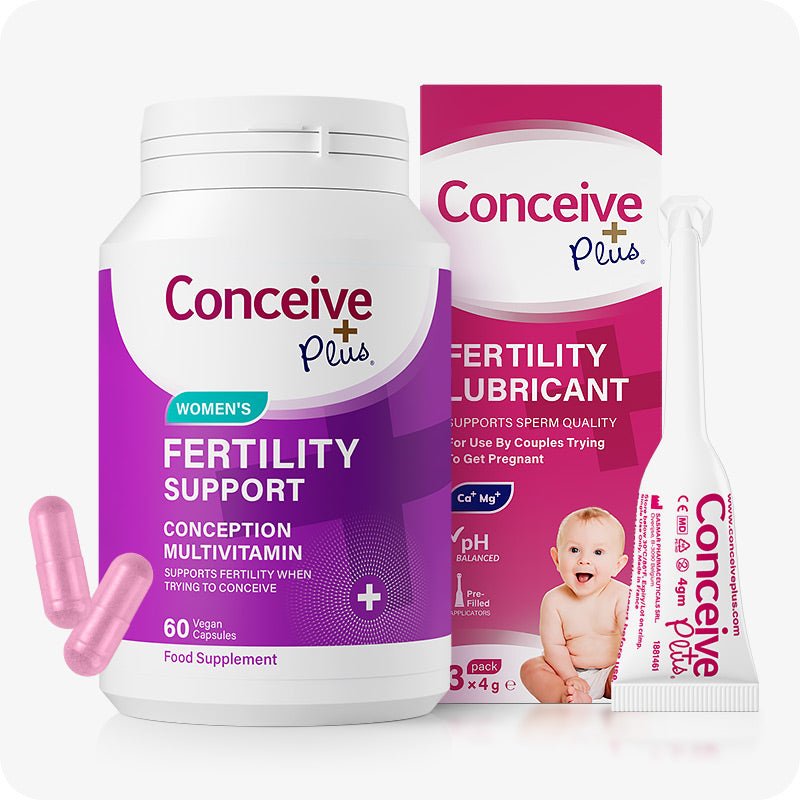
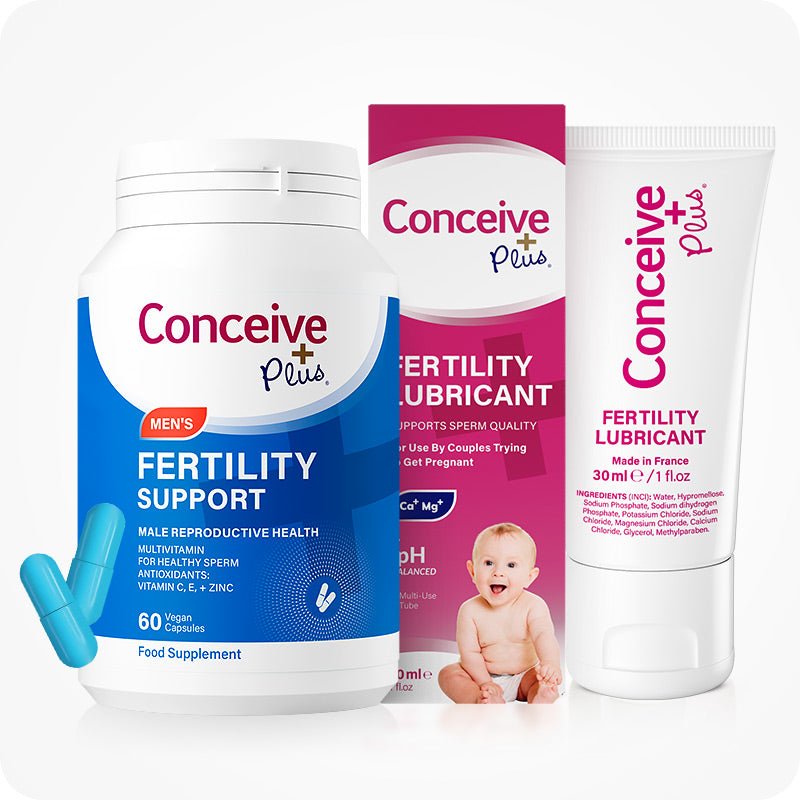
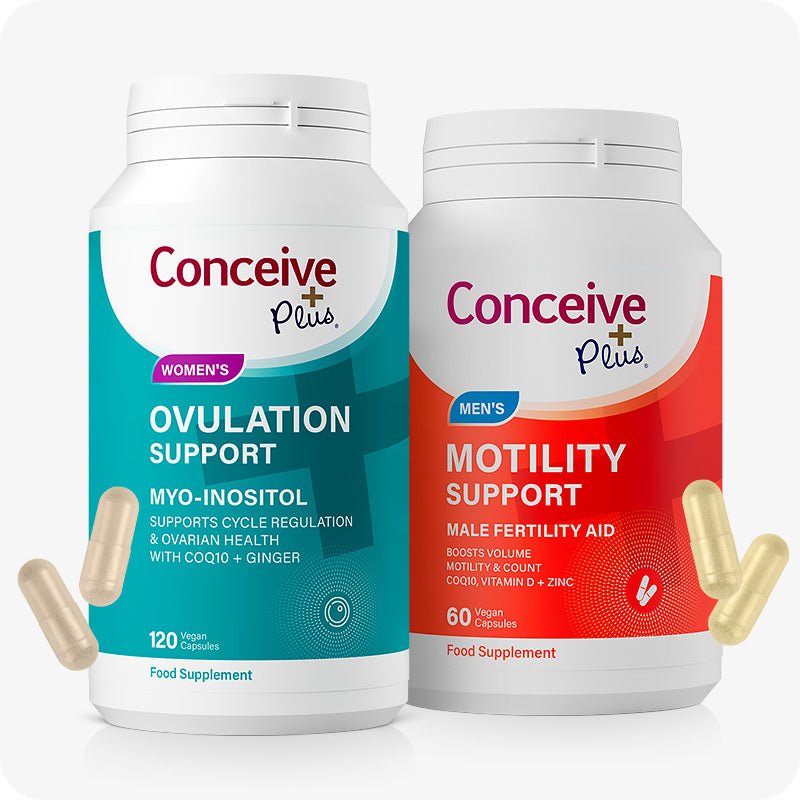
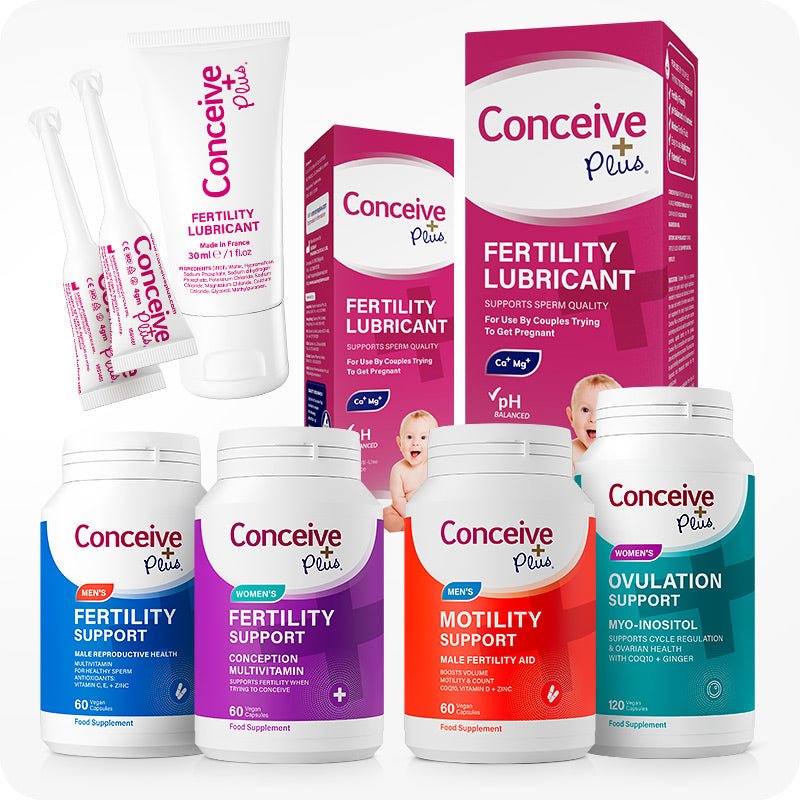
Conceive Plus women's fertility supplements provide a comprehensive nutritional foundation for women with endometriosis trying to conceive, including key antioxidants, methylfolate, and vitamin D relevant to this population.
Lubricant Considerations for Women with Endometriosis
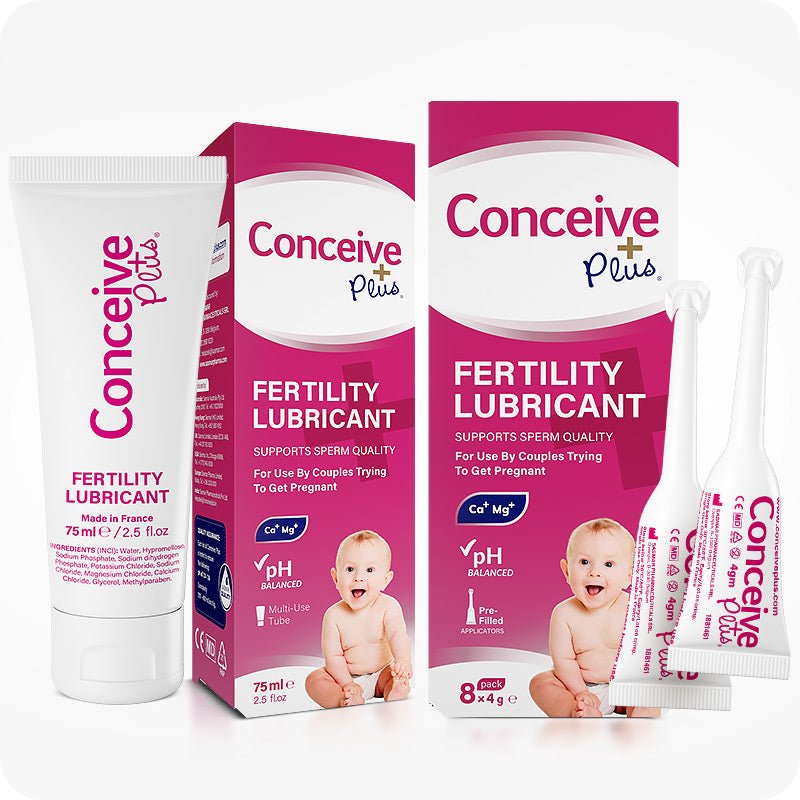
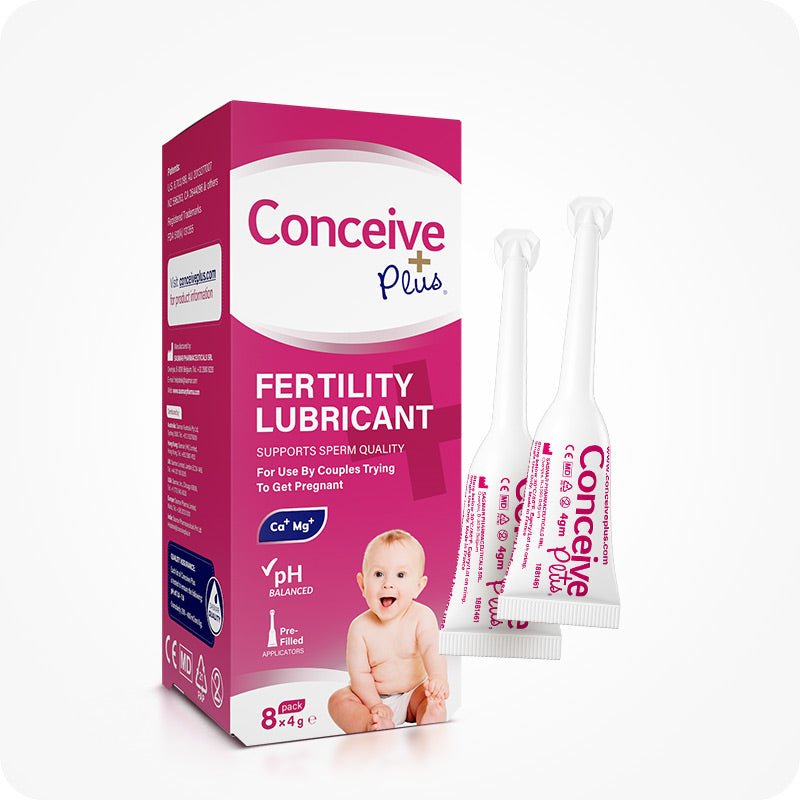
Dyspareunia — painful intercourse — affects up to 60–70% of women with endometriosis. This can make timed intercourse during the fertile window physically and emotionally challenging. Adequate lubrication reduces friction-related pain. However, standard lubricants are harmful to sperm. Using a sperm-safe lubricant like Conceive Plus allows women with endometriosis to address dryness and reduce discomfort without compromising sperm viability. Conceive Plus's pH and osmolality are calibrated to match fertile cervical mucus and it contains no spermicidal ingredients.
Managing the Emotional Dimension of Endometriosis and Infertility
Endometriosis carries a substantial psychological burden: chronic pain, delayed diagnosis, treatment uncertainty, and infertility anxiety collectively contribute to significantly elevated rates of depression, anxiety, and PTSD. Psychological support — through fertility-specialised counselling, peer support groups (the European Endometriosis Alliance), and mindfulness-based approaches — is a genuinely health-supportive intervention that research shows influences treatment adherence and potentially fertility outcomes.
Frequently Asked Questions: Endometriosis and Fertility
Does having endometriosis mean I will be infertile?
No. Approximately 60–70% of women with endometriosis can conceive naturally or with assistance. Endometriosis increases the difficulty of conception but does not render it impossible. Outcomes depend heavily on the extent of disease, ovarian reserve, age, and whether appropriate treatment is sought.
Should I have surgery before trying to conceive with endometriosis?
This depends on the type and extent of your disease. For stage I–II, the evidence for surgery improving natural conception rates is mixed; expectant management or IUI may be appropriate first steps. This decision requires individualised discussion with a specialist experienced in endometriosis and fertility.
Can endometriosis cause miscarriage?
Yes. Women with endometriosis have higher miscarriage rates than women without the condition. This is likely related to immune dysregulation, progesterone resistance impairing implantation, and potentially reduced embryo quality.
How does endometriosis affect IVF success rates?
Some studies show modestly lower IVF success rates in women with endometriosis compared to age-matched controls, particularly in those with severe disease or multiple surgeries. However, IVF remains highly effective for this population, and many women with endometriosis achieve successful pregnancies through IVF.
Can diet changes reverse endometriosis?
No dietary intervention can eliminate endometriosis lesions. However, anti-inflammatory dietary approaches can reduce disease activity, symptom severity, and the inflammatory burden on fertility. Diet is best viewed as a supportive tool alongside medical treatment.
Is endometriosis genetic?
Endometriosis has a significant genetic component — first-degree relatives of women with endometriosis have a 7–10 times higher risk of developing the condition. Having a mother or sister with endometriosis should prompt earlier investigation if symptoms arise.
Can endometriosis improve during pregnancy?
Pregnancy-related hormonal changes (high progesterone, absence of menstrual cycles) often suppress endometriosis activity during gestation and may provide a period of symptom relief. However, endometriosis typically returns after childbirth.
What specialist should I see for endometriosis and fertility?
Ideally, a reproductive endocrinologist or a gynaecologist specialising in endometriosis with fertility expertise. ESHRE (European Society of Human Reproduction and Embryology) guidelines on endometriosis are the gold standard for European practitioners.