IVF Preparation: What to Do in the 3 Months Before Your IVF Cycle


IVF Preparation: What to Do in the 3 Months Before Your IVF Cycle
Preparing for IVF (in vitro fertilisation) is one of the most important steps you can take to maximise your chances of a successful outcome. While the medical protocol is directed by your reproductive endocrinologist, there is a significant amount you can do in the 3 months before your IVF cycle begins to optimise egg quality, improve your body's response to stimulation, and create the best possible environment for embryo development and implantation.
This comprehensive guide covers the most evidence-based strategies for IVF preparation — from nutrition and supplementation to lifestyle adjustments and mental health support. Conceive Plus fertility supplements are trusted by women and clinics across Europe for exactly this purpose: providing comprehensive nutritional support during the critical pre-IVF period.
Why 3 Months Matters for IVF Preparation
The 3-month window before IVF is not arbitrary. It corresponds to the time required for folliculogenesis — the process by which a primordial follicle matures into a dominant follicle ready for ovulation. Eggs take approximately 90 days to complete their maturation journey, during which they are profoundly influenced by the nutritional and hormonal environment of the body.
This means that the egg retrieved during your IVF cycle was already developing 3 months before retrieval. Any nutritional deficiencies, oxidative stress, or hormonal imbalances during that period can affect egg quality — and ultimately, embryo quality and implantation success. Starting your IVF preparation protocol 3 months in advance gives you the best opportunity to positively influence the eggs that will be retrieved in your cycle.
Similarly for male partners: sperm take approximately 74 days to mature (spermatogenesis). Starting nutritional and lifestyle optimisation at least 3 months before IVF — for both partners — can meaningfully improve gamete quality and treatment outcomes.
Step 1: Nutritional Optimisation for IVF
Ready to support your fertility naturally?
Conceive Plus fertility supplements are trusted by healthcare providers worldwide. Start your journey today.
Shop Conceive Plus Supplements →The research on nutrition and IVF outcomes is increasingly robust. Several dietary patterns and specific nutrients have been associated with improved ovarian response, better egg and embryo quality, and higher live birth rates.
Adopt a Mediterranean-Style Diet
A Mediterranean diet — rich in vegetables, fruit, whole grains, legumes, fish, olive oil, and nuts, and low in red meat and processed foods — is consistently associated with better IVF outcomes. A study published in Human Reproduction found that women with higher adherence to a Mediterranean diet had a 40% higher probability of clinical pregnancy and live birth from IVF. Start incorporating these dietary patterns as early as possible during your preparation period.
Prioritise Antioxidant-Rich Foods
Oxidative stress damages egg DNA and mitochondrial function. Antioxidant-rich foods — berries, leafy greens, colourful vegetables, nuts, and seeds — help counter this. Specific antioxidants with evidence for IVF support include:
- Vitamin C — protects follicular fluid from oxidative damage
- Vitamin E — supports oocyte maturation
- Beta-carotene — associated with better fertilisation rates in clinical studies
- Lycopene — improves sperm quality in male partners
Optimise Protein Intake
Adequate protein intake supports ovarian stimulation response. Research suggests that a higher protein, lower carbohydrate diet during the IVF cycle may improve embryo quality. Focus on diverse protein sources: fish, eggs, legumes, chicken, and dairy.
Include Healthy Fats
Omega-3 fatty acids (from oily fish, walnuts, and flaxseeds) are essential for membrane fluidity in developing eggs and embryos. A higher omega-3 to omega-6 ratio is associated with better IVF outcomes. Including 2–3 serves of low-mercury oily fish per week is one of the most impactful dietary changes you can make for IVF preparation.
Step 2: Key Supplements for IVF Preparation
While a well-designed diet provides the foundation, certain nutrients are difficult to obtain in optimal amounts through food alone — and their importance for IVF outcomes justifies targeted supplementation. Conceive Plus fertility supplements are designed to provide comprehensive support during exactly this pre-IVF window.
CoQ10 (Ubiquinol)
CoQ10 is perhaps the most important IVF preparation supplement for women over 35. It is a mitochondrial cofactor and antioxidant that supports the energy-intensive process of egg maturation. As women age, mitochondrial CoQ10 levels decline, which is associated with reduced egg quality, higher aneuploidy rates, and lower IVF success rates.
A landmark randomised controlled trial from the University of Toronto found that CoQ10 supplementation (600mg/day for 60 days before IVF) significantly improved ovarian response, egg quality, and fertilisation rates in women with diminished ovarian reserve. Ubiquinol is the preferred form for supplementation, as it is more bioavailable than ubiquinone and doesn't require enzymatic conversion.
Recommended dose for IVF preparation: 400–800mg/day of ubiquinol, started at least 2–3 months before egg retrieval.
Methylfolate
Folate (as methylfolate, the active form) is essential for DNA synthesis, cell division, and the prevention of neural tube defects in early pregnancy. For IVF, it supports the genetic integrity of maturing eggs. Up to 20% of women of reproductive age carry the MTHFR gene variant, which reduces the ability to metabolise synthetic folic acid. Methylfolate bypasses this conversion and is effective for everyone.
Begin taking at least 400–800mcg of methylfolate at least 1 month before IVF, and continue through the first trimester of pregnancy.
Myo-Inositol
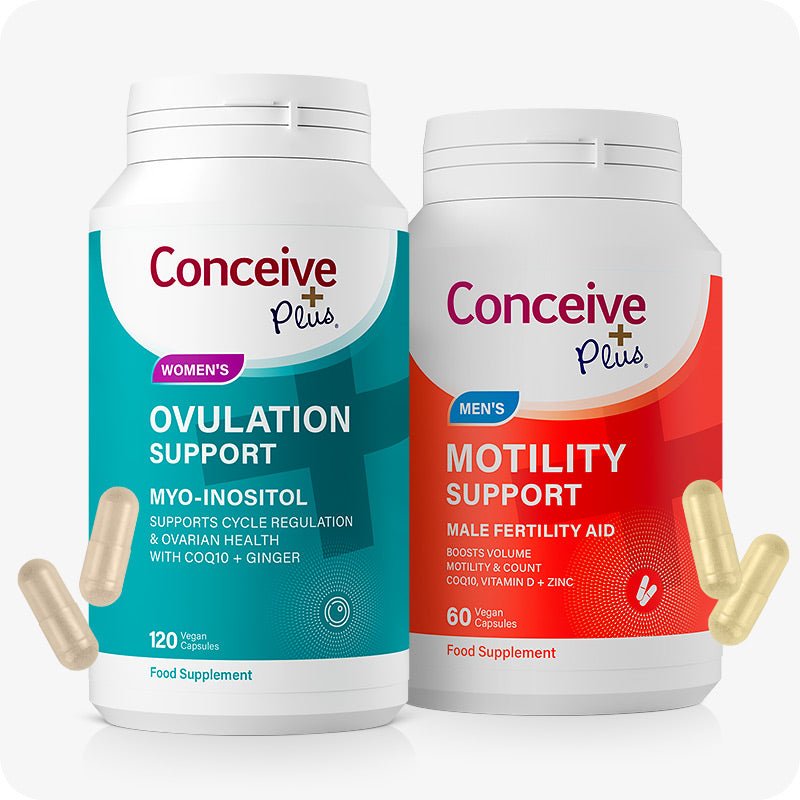
Myo-inositol is particularly beneficial for IVF in women with PCOS or poor ovarian response. Clinical trials have found that myo-inositol supplementation before IVF improves oocyte quality, reduces the required dose of stimulation medications, and improves embryo quality. A 2012 study in Gynecological Endocrinology found that women supplementing with myo-inositol had significantly better egg quality and a higher rate of mature (MII) oocytes retrieved. The evidence is sufficiently strong that myo-inositol is now a standard pre-IVF recommendation in many European fertility clinics.
Vitamin D
Vitamin D deficiency is extremely common in Europe, and its impact on IVF outcomes is well-documented. A meta-analysis of 11 studies found that women with sufficient vitamin D levels had significantly higher clinical pregnancy rates and live birth rates from IVF compared to deficient women. Vitamin D receptors are expressed in ovarian cells, and vitamin D appears to modulate ovarian reserve markers and embryo implantation. Test your vitamin D levels before IVF and supplement to achieve levels of 40–60 ng/mL (100–150 nmol/L).
DHEA (Under Medical Supervision)
DHEA (dehydroepiandrosterone) is a precursor hormone that has been studied for improving ovarian reserve and response in women with diminished ovarian reserve (DOR). Several studies suggest that DHEA supplementation (typically 25–75mg/day) for 12+ weeks before IVF can improve oocyte number and quality. DHEA is a hormone and should only be taken under medical supervision after AMH testing and consultation with your reproductive endocrinologist.
Omega-3 Fatty Acids
EPA and DHA supplementation supports the development of egg and embryo cell membranes and has anti-inflammatory properties that may support implantation. A prospective study found that higher DHA levels were associated with better blastocyst development rates in IVF. A pharmaceutical-grade fish oil supplement providing at least 500mg combined EPA+DHA daily is a reasonable addition to the IVF preparation protocol.
Explore Conceive Plus IVF preparation supplements for Europe →
Step 3: Lifestyle Adjustments for IVF Success
Nutrition and supplementation are foundational, but several lifestyle factors have significant impacts on IVF outcomes and should be addressed during your 3-month preparation period.
Stop Smoking Completely
Smoking is one of the most damaging things you can do to egg quality and IVF success rates. Women who smoke require higher doses of stimulation medications, produce fewer mature eggs, have lower fertilisation rates, and have significantly lower live birth rates from IVF compared to non-smokers. The negative effects of smoking accumulate over time but begin to reverse after quitting — giving yourself at least 3 months of smoking cessation before IVF meaningfully improves outcomes.
Eliminate Alcohol
Even moderate alcohol consumption is associated with reduced IVF success. A Harvard study found that women who consumed as few as 4 drinks per week had lower live birth rates from IVF. Both partners should avoid alcohol entirely for at least 3 months before an IVF cycle.
Maintain a Healthy BMI
Body weight has a significant impact on IVF outcomes. Both underweight (BMI <18.5) and overweight (BMI >30) are associated with poorer ovarian response, lower egg quality, reduced implantation rates, and higher miscarriage rates. If your BMI is outside the healthy range, working with a dietitian and physician to achieve a healthier weight before IVF can substantially improve your chances of success.
Reduce Stress
The relationship between stress and IVF outcomes is complex, but there is evidence that high psychological stress is associated with lower IVF success rates. This may be mediated through cortisol's effects on reproductive hormones. Consider incorporating evidence-based stress reduction practices:
- Mindfulness-based stress reduction (MBSR) — has specific evidence for fertility
- Yoga — reduces cortisol and improves psychological wellbeing during IVF
- Cognitive behavioural therapy (CBT) — addresses anxiety and depression related to fertility treatment
- Acupuncture — some evidence for reducing anxiety and potentially improving IVF outcomes
Optimise Sleep
Sleep quality and duration affect hormonal regulation, including the pulsatile release of GnRH (gonadotropin-releasing hormone) from the hypothalamus — the signal that initiates the hormonal cascade of ovulation and responds to IVF stimulation medications. Aim for 7–9 hours of quality sleep per night during your IVF preparation period.
Exercise Appropriately
Moderate exercise is beneficial for IVF preparation: it supports healthy weight, reduces insulin resistance, improves sleep quality, and manages stress. However, excessive high-intensity exercise has been associated with reduced IVF success rates in some studies. During the stimulation and two-week wait phases of IVF, reduce exercise intensity to light walking and gentle yoga.
Reduce Environmental Toxin Exposure
Endocrine-disrupting chemicals (EDCs) found in plastics, pesticides, personal care products, and non-stick cookware can impair egg quality and hormonal signalling. During IVF preparation:
- Choose organic produce when possible
- Use glass, ceramic, or stainless steel containers rather than plastic
- Choose fragrance-free personal care products
- Avoid heating food in plastic containers
- Use natural cleaning products where possible
Step 4: Male Partner Preparation for IVF
IVF success depends on sperm as much as eggs. Male partners should undertake their own preparation protocol during the 3-month window, focusing on:
- Antioxidant supplementation: vitamin C, vitamin E, zinc, selenium, CoQ10 — to reduce sperm DNA fragmentation
- Dietary improvements: Mediterranean diet, limiting processed foods and alcohol
- Eliminating smoking: significantly damages sperm DNA and motility
- Avoiding heat exposure: hot baths, saunas, and laptops on the lap can damage sperm production
- Managing stress: cortisol impairs testosterone and sperm production
- Reviewing medications: some medications (certain antidepressants, testosterone, NSAIDs at high doses) can impair sperm quality
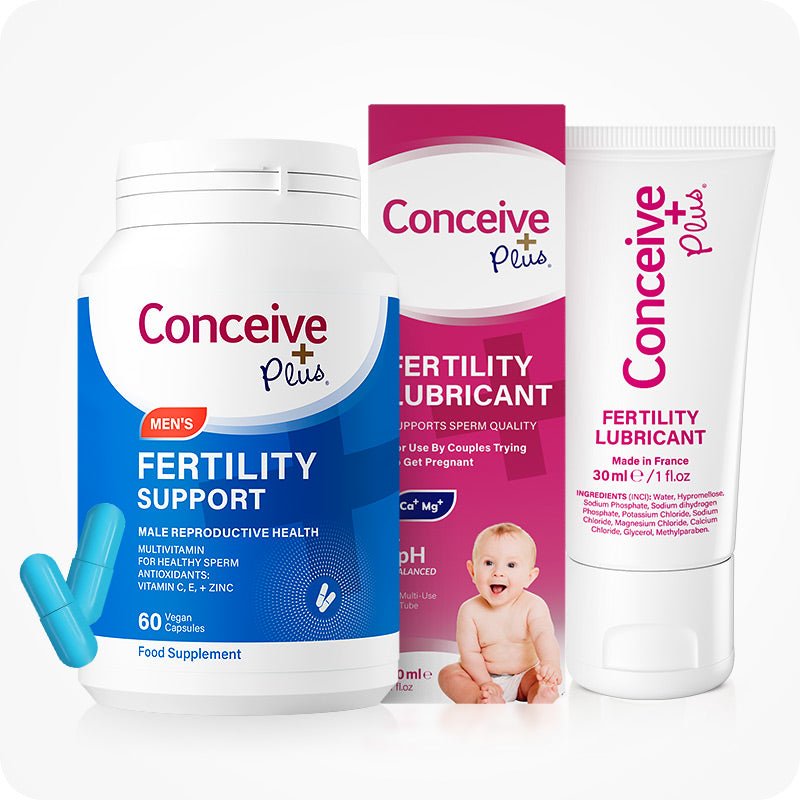
Conceive Plus men's fertility supplements provide comprehensive sperm support through zinc, selenium, CoQ10, L-carnitine, and antioxidants — supporting sperm count, motility, morphology, and DNA integrity during the critical pre-IVF period.
Step 5: Medical Tests to Request Before IVF
Your clinic will handle most of the diagnostic workup, but there are some tests worth discussing with your doctor before starting your IVF preparation protocol:
- AMH (Anti-Müllerian Hormone): reflects your ovarian reserve and helps predict response to stimulation
- Vitamin D level: essential given the strong evidence for vitamin D and IVF outcomes; deficiency is widespread in Europe
- MTHFR gene variant: determines whether you need methylfolate rather than folic acid
- Thyroid function (TSH, free T3, free T4, anti-TPO antibodies): thyroid disorders, including subclinical hypothyroidism, can impair IVF outcomes and should be optimised before starting
- Progesterone level (mid-luteal phase): confirms ovulation is occurring in preparation cycles
- Semen analysis (male partner): baseline for identifying sperm issues that may affect ICSI decisions
- Sperm DNA fragmentation index: high fragmentation is associated with poor embryo development and recurrent miscarriage; may influence treatment decisions
Frequently Asked Questions: IVF Preparation
1. How far in advance should I start preparing for IVF?
Ideally, 3 months before your planned egg retrieval date. This aligns with the 90-day folliculogenesis cycle, giving your nutritional and lifestyle changes the maximum opportunity to influence egg quality. If you have less time, start immediately — even 4–6 weeks of preparation is better than none.
2. What is the most important supplement for IVF?
For women, CoQ10 (ubiquinol form) has the strongest evidence for improving IVF outcomes, particularly egg quality and ovarian response. For men, antioxidants including vitamin C, E, zinc, and selenium are most important for reducing sperm DNA fragmentation. Methylfolate is important for both partners for DNA integrity.
3. Does diet really affect IVF success?
Yes, significantly. The Mediterranean diet has the strongest evidence, associated with a 40% higher probability of live birth in some studies. Specific dietary components — antioxidants, omega-3 fats, low-GI carbohydrates — independently support egg quality, ovarian response, and embryo development.
4. Should I take CoQ10 during the IVF stimulation phase?
Most IVF preparation protocols involve starting CoQ10 2–3 months before retrieval and continuing through stimulation. Consult your reproductive endocrinologist for personalised guidance.
5. Can stress cause IVF to fail?
High stress is associated with lower IVF success rates in some studies, possibly through cortisol-mediated effects on reproductive hormones and implantation. While stress is unlikely to be the sole determinant of IVF outcome, managing it proactively supports both your reproductive health and your overall wellbeing during treatment.
6. Is Conceive Plus suitable for IVF preparation?
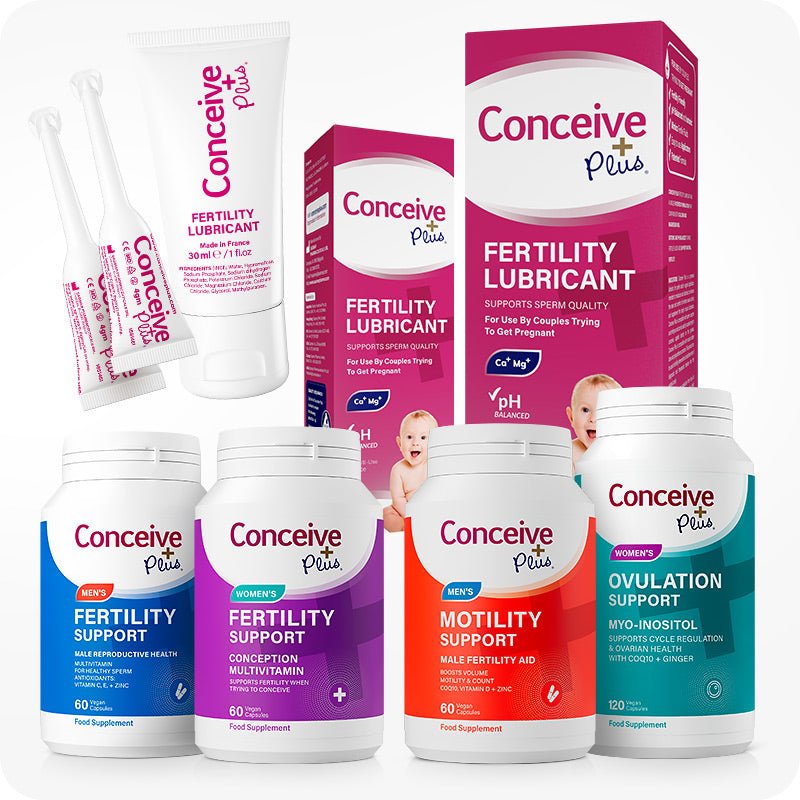
Yes. Conceive Plus fertility supplements are commonly used during IVF preparation. Their formulation aligns with the nutritional recommendations most commonly made by reproductive endocrinologists, including methylfolate, CoQ10, myo-inositol, and vitamin D. Always inform your IVF clinic of all supplements you're taking.
7. Should both partners take supplements before IVF?
Yes. Sperm quality is equally important to egg quality for IVF success. Both partners should begin supplementation and lifestyle optimisation at least 3 months before the IVF cycle. Conceive Plus offers specific women's and men's fertility supplement formulations.
8. What should I avoid during IVF preparation?
Avoid: smoking, alcohol, recreational drugs, extreme exercise, high-mercury fish, trans fats, excessive caffeine, endocrine-disrupting chemicals (plastics, pesticides), and significant heat exposure (particularly for men — hot baths, saunas).
Conclusion: Giving Your IVF Cycle the Best Possible Start
IVF is a significant investment — emotionally, physically, and financially. Giving yourself the best possible preparation in the 3 months before your cycle is one of the most powerful actions you can take to maximise your chances of success.
A Mediterranean-style diet, targeted supplementation with CoQ10, methylfolate, myo-inositol, and vitamin D, combined with lifestyle optimisation and stress management, creates the ideal conditions for high-quality eggs, healthy embryos, and successful implantation. Conceive Plus fertility supplements are designed to provide this comprehensive nutritional foundation, trusted by women and fertility clinics across Europe.
Take control of the factors within your reach, give your body the nutritional support it deserves, and approach your IVF cycle with confidence.
Start your IVF preparation with Conceive Plus supplements →
European IVF Clinics and the Conceive Plus Protocol
Across Europe, Conceive Plus fertility supplements have become a trusted part of IVF preparation protocols in many leading reproductive medicine centres. The evidence-based formulation aligns with what major European fertility societies recommend for women undergoing IVF preparation — and the brand's commitment to pharmaceutical-grade manufacturing provides the quality assurance that both patients and clinicians value.
If you're preparing for IVF in Europe — whether in Germany, the Netherlands, Belgium, Spain, France, or another country — Conceive Plus can be integrated into your pre-cycle preparation plan. Always inform your IVF clinic of all supplements you're taking before beginning stimulation.
The Two-Week Wait After Embryo Transfer
The two-week wait (TWW) after embryo transfer is one of the most anxiety-provoking parts of the IVF process. Here's what to know about supporting implantation during this period:
- Continue folate/methylfolate throughout the TWW and beyond — neural tube closure occurs at 3–4 weeks post-fertilisation
- Avoid high-impact exercise — light walking is fine; vigorous exercise is best avoided until pregnancy is confirmed
- Limit caffeine to under 200mg/day
- Stay well hydrated — particularly important if you experienced ovarian hyperstimulation syndrome (OHSS)
- Continue prescribed progesterone/oestrogen support from your clinic without fail
- Manage anxiety through mindfulness, gentle yoga, or counselling — the stress of the TWW is real and deserves support
- Avoid the temptation to test early — trigger shots contain hCG and can cause false positives up to 10 days after administration
Conceive Plus supplements can continue through the TWW and into the first trimester. Many of the ingredients — particularly methylfolate, vitamin D, and CoQ10 — provide important support during the early days and weeks of pregnancy development.
Frozen Embryo Transfer (FET) Preparation
For women doing a frozen embryo transfer (FET) rather than a fresh cycle, preparation has some specific considerations:
- Frozen transfers allow more time for preparation — use it to optimise nutrition and supplementation
- Endometrial preparation is the primary focus: adequate oestrogen support (from medication or natural cycles) and progesterone timing are critical
- Vitamin D supplementation is particularly relevant — deficiency is associated with thinner endometrium and lower implantation rates
- Some clinics recommend aspirin (low dose) and omega-3s to support endometrial blood flow before FET — ask your clinic
- Acupuncture around the time of embryo transfer has some evidence for improving FET outcomes in certain patient populations
Ready to support your fertility naturally?
Conceive Plus fertility supplements are trusted by healthcare providers worldwide. Start your journey today.
Shop Conceive Plus Supplements →