Fertility Diet: The Best Foods and Nutrients to Support Conception


Fertility Diet: The Best Foods and Nutrients to Support Conception
What you eat can meaningfully influence your ability to conceive. A growing body of research in reproductive medicine has established that specific dietary patterns, nutrients, and foods directly support ovarian function, sperm quality, hormonal balance, and uterine health. A well-designed fertility diet won't replace medical treatment for significant fertility conditions, but it can meaningfully improve your reproductive baseline — and for many couples, it makes the difference.
This guide covers the evidence behind a fertility diet, the key nutrients that matter most, which foods to prioritise and which to limit, practical meal strategies, and how to fill nutritional gaps with targeted supplementation.
The Science Behind a Fertility Diet
Several landmark studies have identified dietary patterns associated with improved fertility outcomes:
- The Nurses' Health Study II — one of the largest investigations of diet and fertility — found that women following a diet high in plant protein, low-glycaemic carbohydrates, full-fat dairy, iron, and multivitamins had significantly lower rates of ovulatory infertility compared to those following a typical Western diet.
- A 2018 meta-analysis in Human Reproduction Update found that adherence to a Mediterranean diet was associated with a 40% lower risk of infertility due to ovulatory disorders and a 44% lower risk of other causes of infertility.
- For men, a 2019 systematic review found significant associations between adherence to a healthy dietary pattern and improved sperm count, motility, and morphology.
The mechanisms are multiple: dietary patterns influence oxidative stress, inflammation, insulin sensitivity, hormonal signalling, and the supply of micronutrients essential for egg development, sperm production, and early embryo implantation.
Key Nutrients in a Fertility Diet and Where to Find Them
Ready to support your fertility journey?
Explore Conceive Plus — clinically formulated fertility support trusted by couples worldwide.
Folate (Vitamin B9)
Folate is perhaps the most widely known preconception nutrient — with good reason. It is critical for DNA synthesis, cell division, and preventing neural tube defects in early fetal development. For fertility specifically, adequate folate supports egg maturation, reduces the risk of chromosomal abnormalities, and is associated with higher clinical pregnancy rates in IVF.
The form matters: methylfolate (5-MTHF) is the bioactive form that bypasses the MTHFR enzyme (which a significant proportion of people carry in a variant form that impairs folic acid conversion). Best food sources: dark leafy greens (spinach, kale, rocket), lentils, chickpeas, asparagus, avocado, and fortified foods. Supplementation with methylfolate is strongly recommended before and during early pregnancy.
Omega-3 Fatty Acids
Omega-3s, particularly EPA and DHA, play key roles in egg quality, sperm membrane function, and anti-inflammatory regulation. DHA is a structural component of the sperm tail and is essential for motility. For women, omega-3s support follicular development and may improve ovarian response. They also reduce prostaglandin-driven inflammation that can interfere with ovulation and implantation.
Best food sources: oily fish (salmon, mackerel, sardines, anchovies, trout), walnuts, chia seeds, flaxseeds. For those who avoid fish, an algae-based DHA/EPA supplement is the most bioavailable alternative.
Antioxidants (Vitamins C, E, and Coenzyme Q10)
Oxidative stress damages both eggs and sperm. Dietary antioxidants neutralise free radicals before they cause harm. Vitamin C (citrus fruits, bell peppers, kiwi, strawberries) and vitamin E (nuts, seeds, avocado, olive oil) work synergistically. CoQ10 is both a mitochondrial energy cofactor and antioxidant — particularly important for egg quality, especially in women over 35. Food sources of CoQ10 are limited (oily fish, organ meats); supplementation is often necessary for therapeutic levels.
Zinc
Zinc is critical for testosterone production, sperm maturation, and DNA integrity in men. For women, zinc supports follicular development and ovulation. Best food sources: oysters (the richest natural source), red meat, pumpkin seeds, legumes, and wholegrains.
Selenium
Selenium supports glutathione peroxidase — the body's primary antioxidant enzyme for protecting reproductive cells. Brazil nuts are the richest food source (just 2–3 nuts per day provides the recommended intake). Selenium is also found in fish, meat, eggs, and sunflower seeds.
Iron
Iron deficiency is associated with impaired ovulation and reduced fertility in women. Non-heme iron from plant sources (lentils, beans, fortified cereals, tofu, pumpkin seeds) is less well-absorbed than heme iron from meat — but consuming plant-based iron sources with vitamin C significantly improves absorption. Women with heavy periods are particularly at risk of iron deficiency.
Vitamin D
Vitamin D deficiency is widespread in Northern Europe and is increasingly linked to impaired fertility in both men and women. In women, vitamin D supports follicular development, endometrial receptivity, and immune tolerance of pregnancy. In men, vitamin D receptors in the testes suggest a role in testosterone production and sperm quality. Sunlight exposure and fatty fish, eggs, and fortified dairy are food sources, but most people in Northern Europe require supplementation, particularly in winter months.
Iodine
Iodine is essential for thyroid hormone synthesis, and thyroid function directly influences fertility in women. Even mild iodine deficiency can impair thyroid function enough to disrupt cycle regularity and ovulation. Best food sources: seaweed, fish, shellfish, dairy, and iodised salt.
The Fertility Diet Food List: What to Eat More Of
Translating nutrients into practical food choices, a fertility diet should emphasise:
- Dark leafy greens: Spinach, kale, rocket, Swiss chard — high in folate, iron, antioxidants, and vitamin K.
- Oily fish (2–3 servings/week): Salmon, mackerel, sardines, anchovies — omega-3 DHA and EPA, vitamin D, selenium, and protein.
- Legumes: Lentils, chickpeas, black beans, edamame — plant protein, folate, iron, zinc, and fibre.
- Whole grains: Oats, brown rice, quinoa, barley — slow-release carbohydrates, B vitamins, and fibre to support insulin sensitivity.
- Colourful vegetables: Bell peppers, tomatoes, sweet potato, carrots, broccoli — antioxidants, beta-carotene, vitamin C.
- Berries and citrus fruits: Blueberries, strawberries, raspberries, oranges, kiwi — vitamin C, flavonoids, folate.
- Nuts and seeds: Walnuts (omega-3), Brazil nuts (selenium), pumpkin seeds (zinc), flaxseeds (lignans and omega-3), almonds (vitamin E).
- Avocado: Healthy monounsaturated fats, folate, vitamin K, potassium.
- Eggs: Complete protein, choline, vitamin D, vitamin B12, selenium.
- Full-fat dairy (if tolerated): The Nurses' Health Study found full-fat dairy associated with lower ovulatory infertility risk — possibly due to fat-soluble fertility-relevant compounds. Yoghurt also provides probiotics supporting gut-hormone balance.
- Olive oil: Primary fat source in the Mediterranean diet — rich in oleic acid and antioxidant polyphenols.
What to Limit or Avoid on a Fertility Diet
- Refined carbohydrates and sugar: High glycaemic foods spike insulin, which disrupts ovulation through effects on sex hormone-binding globulin (SHBG) and androgen excess. Limit white bread, pastries, sweets, sugary drinks, and processed cereals.
- Trans fats: Found in partially hydrogenated oils (some margarines, fried foods, processed snacks). Strongly associated with ovulatory infertility — even small amounts were significant in the Nurses' Health Study.
- High-mercury fish: Shark, swordfish, king mackerel, and tilefish should be limited due to mercury content, which can impair neurological development in early fetal life.
- Excessive alcohol: Even moderate alcohol consumption (more than 1–2 drinks per week) is associated with reduced fertility in women. Men should also limit intake to preserve testosterone and sperm quality.
- Caffeine: Evidence is mixed, but most fertility specialists recommend limiting caffeine to below 200 mg/day (roughly 1–2 cups of coffee). Very high intakes are associated with increased miscarriage risk.
- Processed meats: High in saturated fat, nitrates, and inflammatory compounds. Associated with poorer sperm morphology in men and possible inflammatory effects in women.
- Ultra-processed foods: Diet soda, packaged snacks, fast food, and ready meals are often high in endocrine-disrupting additives and nutrient-poor. Replacing them with whole foods provides both a reduction in harmful inputs and an increase in fertility-supportive nutrients.
Specific Fertility Diet Considerations for Different Situations
PCOS and the Fertility Diet
PCOS is often associated with insulin resistance, and dietary approaches that improve insulin sensitivity are particularly beneficial. A low-glycaemic index (GI) diet — emphasising complex carbohydrates, lean proteins, healthy fats, and high fibre — can reduce fasting insulin, improve hormonal balance, and support more regular ovulation. Inositol (from wholegrains, citrus, beans) has specific evidence in PCOS for improving insulin sensitivity and ovulation, and is often recommended as a supplement at therapeutic doses.
Endometriosis and the Fertility Diet
Endometriosis involves chronic inflammation and oxidative stress. An anti-inflammatory dietary approach — emphasising omega-3-rich fish, colourful vegetables, olive oil, and limiting red meat and trans fats — is associated with reduced disease activity. Magnesium (found in leafy greens, nuts, and dark chocolate) may help with dysmenorrhoea. Iron needs to be managed carefully given both anaemia risk and the pro-inflammatory effects of excess free iron.
Vegetarian and Vegan Fertility Diets
Plant-based diets can support excellent fertility outcomes with careful attention to: vitamin B12 (supplement required for vegans), DHA/EPA (algae-based omega-3 supplement), zinc (reduced bioavailability from plant sources — supplementation may help), iodine (limited in many plant foods — consider supplement), iron (pair with vitamin C), and vitamin D. A well-planned vegan diet is nutritionally complete for fertility, but tracking and supplementation are more important than for omnivores.
Conceive Plus Supplements: Filling Nutritional Gaps
Even the most carefully designed fertility diet is unlikely to provide therapeutic levels of all key fertility nutrients — particularly CoQ10, which is found in very limited quantities in food. Conceive Plus fertility supplements are designed as the nutritional partner to a healthy diet, providing evidence-based doses of the nutrients that matter most for conception.
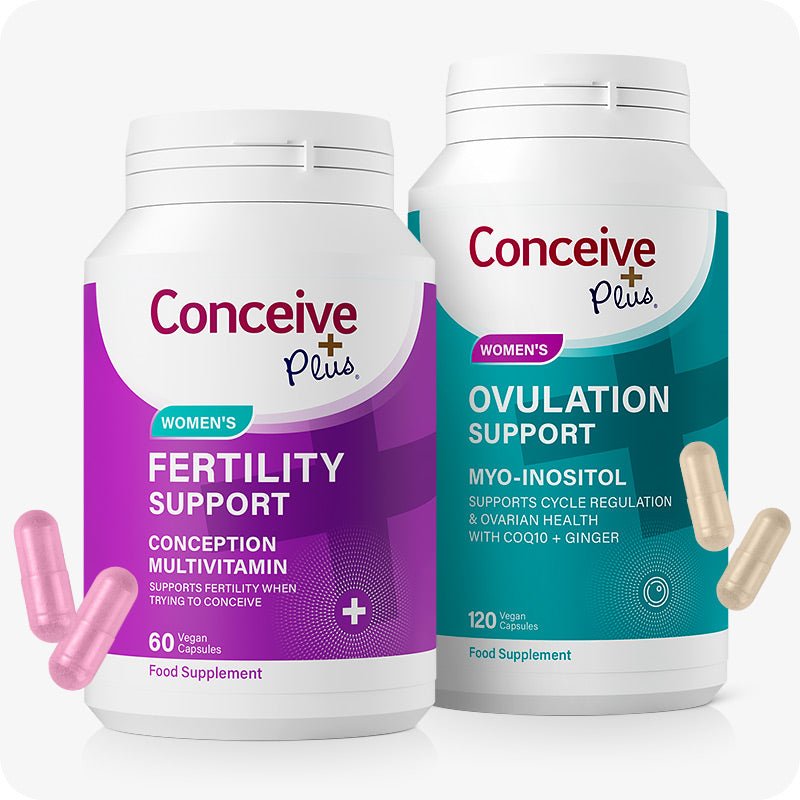
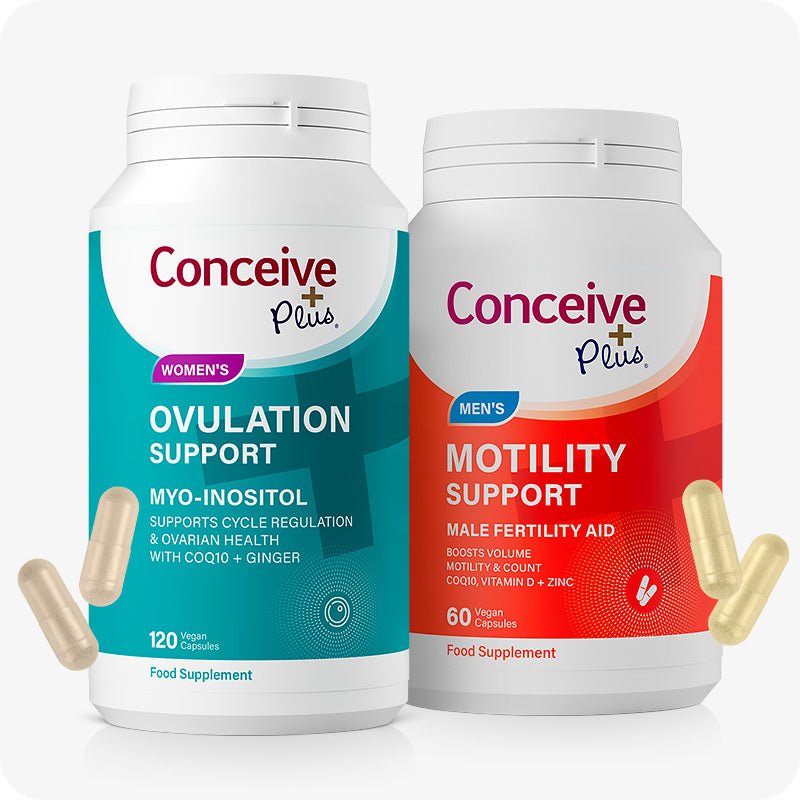
The Conceive Plus Women's Fertility Support formula includes methylfolate, vitamin D, CoQ10, vitamins C and E, zinc, selenium, B12, B6, and iron — covering the key preconception nutritional gaps in a single daily supplement. The formula uses the most bioavailable ingredient forms to ensure maximum absorption.
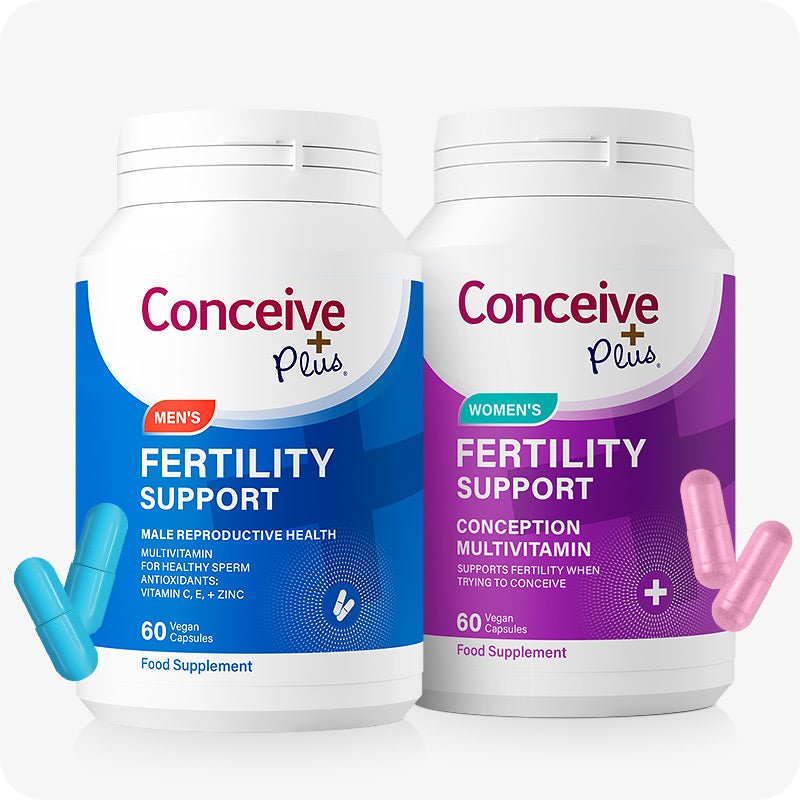
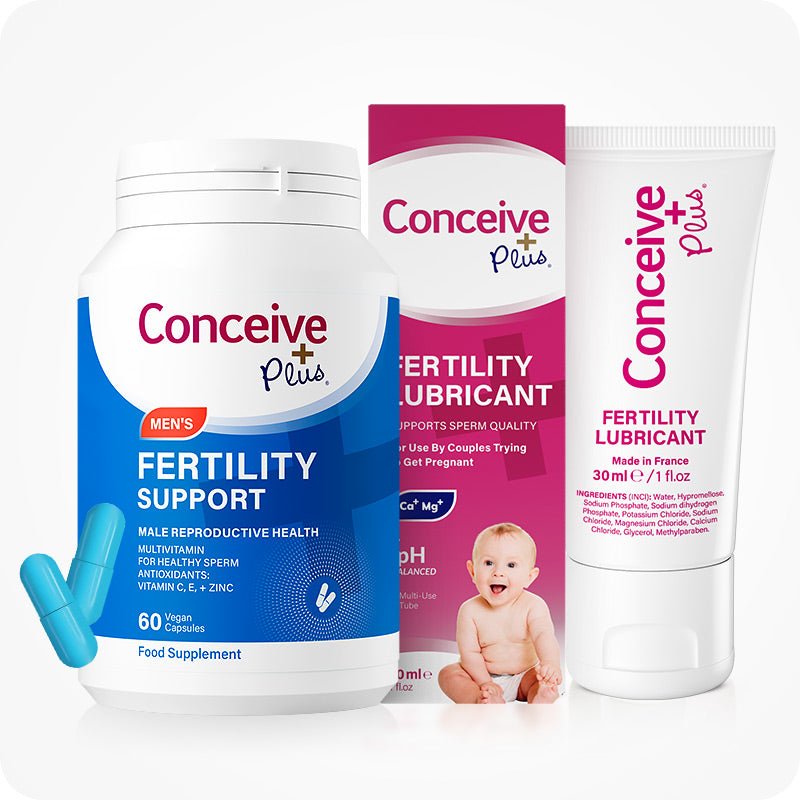
For men, Conceive Plus Men's Fertility Support provides CoQ10, zinc, selenium, L-carnitine, vitamins C and E, lycopene, and B vitamins — targeted at the specific nutritional needs of male reproductive health.
👉 Shop Conceive Plus Fertility Supplements — the nutritional foundation for your conception journey.
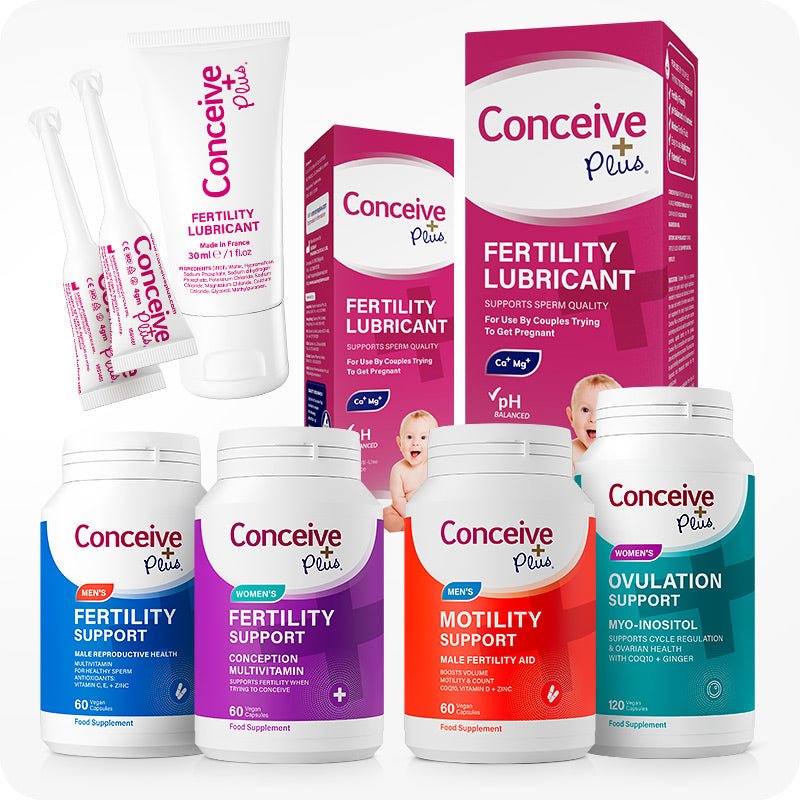
👉 Explore the full Conceive Plus range including fertility lubricants, ovulation support, and couples' supplements.
Frequently Asked Questions: Fertility Diet
Q: How long before trying to conceive should I change my diet?
A: Ideally, start a fertility-optimised diet at least 3 months before you plan to begin trying to conceive. This allows time for nutrient levels to build up, egg quality to improve over one full follicular cycle (~90 days), and sperm quality to improve over one full spermatogenic cycle (~90 days). The sooner you start, the better.
Q: Is a Mediterranean diet really the best for fertility?
A: The Mediterranean diet has the strongest research base among specific dietary patterns for fertility outcomes. It scores highly on all the key principles: rich in antioxidants, omega-3s, fibre, plant protein, and healthy fats; low in processed foods, sugar, and trans fats. It is also sustainable and enjoyable, which matters for long-term adherence.
Q: Should I eat more protein when trying to conceive?
A: Adequate protein is important — the Nurses' Health Study suggested that replacing some animal protein with plant protein (from legumes, nuts, and tofu) was associated with lower ovulatory infertility risk. Focus on protein quality and diversity rather than dramatically increasing total intake. Most people eating a balanced diet already consume adequate protein.
Q: Is organic food important on a fertility diet?
A: The evidence is suggestive but not definitive. Pesticide residues are endocrine disruptors that may affect fertility, and some studies have found higher pregnancy rates in IVF patients consuming lower-pesticide diets. Prioritising organic for the "Dirty Dozen" (the 12 most heavily sprayed fruits and vegetables) is a reasonable, practical approach for those whose budget allows.
Q: Does caffeine affect fertility?
A: High caffeine intake (over 300 mg/day — about 3 cups of coffee) has been associated with delayed time to pregnancy and increased miscarriage risk in some studies. Most experts recommend keeping intake below 200 mg/day when trying to conceive. This includes caffeine from coffee, tea, energy drinks, cola, and dark chocolate.
Q: Is full-fat or low-fat dairy better for fertility?
A: The Nurses' Health Study specifically found that full-fat dairy consumption was associated with lower ovulatory infertility risk, while low-fat dairy was associated with higher risk. The proposed mechanism involves fat-soluble reproductive hormones (like androstenedione) that concentrate in the fat component of dairy. Fermented full-fat dairy (yoghurt, kefir) may offer additional benefits via probiotic effects on gut-hormone balance.
Q: Can diet alone cure unexplained infertility?
A: Diet is one factor among many in the complex biology of conception. A fertility-optimised diet can improve egg quality, sperm parameters, hormonal balance, and uterine environment — all of which collectively improve conception chances. However, if structural issues, significant hormonal disorders, or severe factor infertility are present, diet alone is unlikely to be sufficient. Comprehensive evaluation and treatment alongside dietary optimisation is always recommended after 12 months of trying (or 6 months for women over 35).
Q: Should my partner also follow a fertility diet?
A: Absolutely. Male fertility is equally important — diet significantly influences sperm count, motility, morphology, and DNA fragmentation. A couple-based approach to fertility diet improves the reproductive baseline for both partners and maximises the overall chances of conception.
Q: Are there any foods that can directly boost ovulation?
A: No single food triggers ovulation, but dietary patterns that support insulin sensitivity (low GI foods, high fibre, plant protein), hormonal balance (adequate healthy fats, zinc, vitamin D), and reduced inflammation (antioxidant-rich foods, omega-3s) create the internal environment in which ovulation is most likely to occur regularly.
Q: How important is staying hydrated on a fertility diet?
A: Adequate hydration is important for overall reproductive function, including cervical mucus production (which is critical for sperm transport), uterine lining quality, and general hormonal transport via the blood. Aim for at least 1.5–2 litres of water daily, and note that alcohol and high caffeine intake have diuretic effects that work against hydration.
Start Your Fertility Journey with Conceive Plus
Science-backed fertility support for both partners — lubricants, supplements, and ovulation aids trusted by couples worldwide.
Shop Conceive Plus Now →