Fertility Myths Debunked: What Science Actually Says About Getting Pregnant


Fertility Myths Debunked: What Science Actually Says About Getting Pregnant
The internet is awash with fertility advice — some of it evidence-based, much of it not. Myths about fertility can cause unnecessary anxiety, lead couples to avoid effective strategies, or drive them toward ineffective ones. They can also perpetuate stigma, delay appropriate medical care, and add to the emotional burden of what is already a deeply personal journey.
This comprehensive guide addresses the most pervasive fertility myths circulating in Europe and globally, examines what the science actually shows, and offers clear, actionable guidance grounded in evidence. Whether you're just beginning to think about starting a family, have been trying for a while, or are simply curious about reproductive health, separating fact from fiction is an essential first step.
Myth 1: "You Can Get Pregnant Any Time During Your Cycle"
The truth: Pregnancy is only possible during the fertile window — the approximately six days ending on the day of ovulation. Outside this window, conception cannot occur.
The egg is viable for only 12–24 hours after ovulation. Sperm can survive in the female reproductive tract for up to five days. This means the window of potential conception spans five days before ovulation and the day of ovulation itself.
In a textbook 28-day cycle, ovulation occurs around day 14. But cycles vary significantly — both between women and from cycle to cycle in the same woman. This is why tracking ovulation (using ovulation predictor kits, basal body temperature charting, or fertility monitors) is valuable: "around day 14" is not accurate enough for many women.
The practical implication: regular intercourse (every 1–2 days) throughout the estimated fertile window, rather than targeting a single day, optimises conception chances.
Myth 2: "If You're Young and Healthy, Getting Pregnant Is Easy"
Supporting Every Stage of Your Fertility Journey
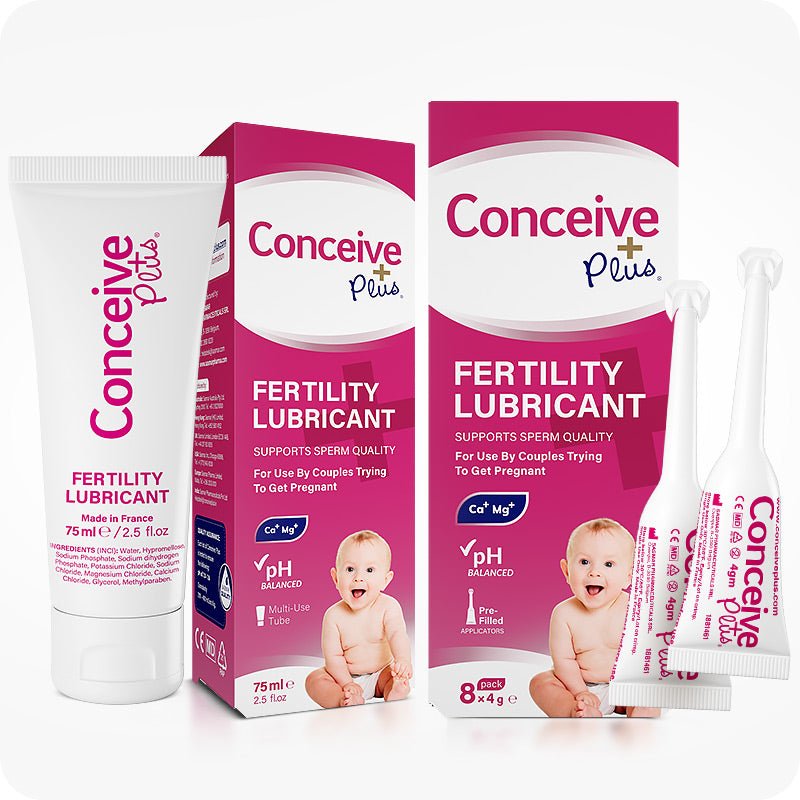
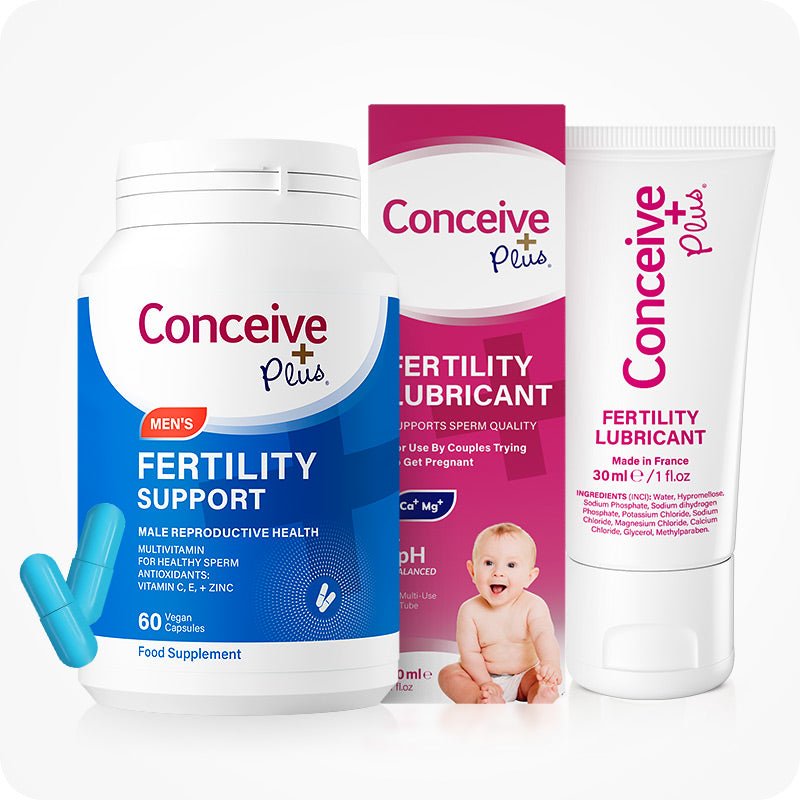
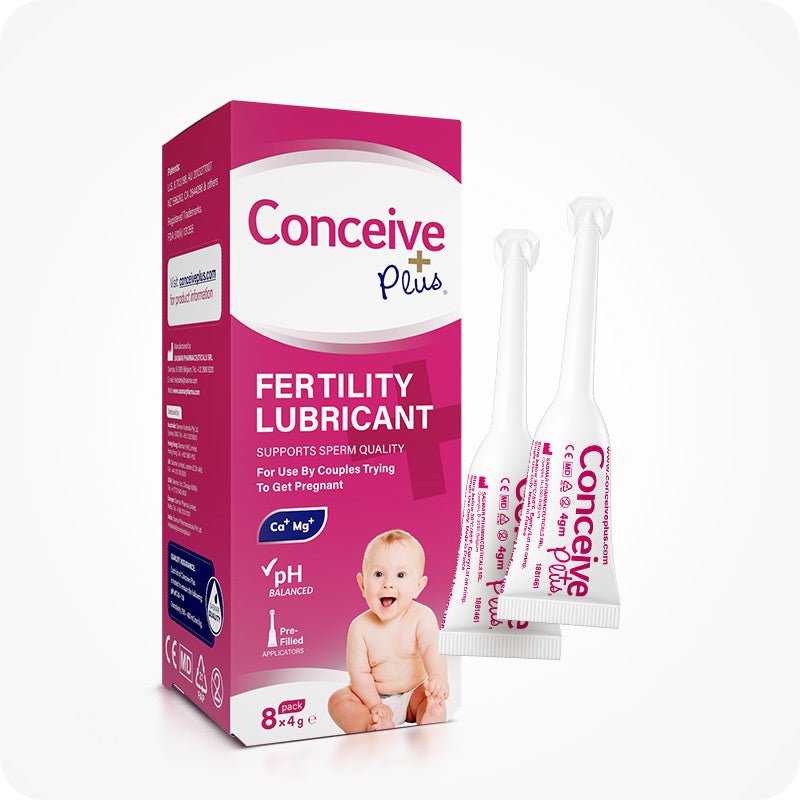
Conceive Plus Fertility Lubricant is a clinician-recommended, sperm-friendly lubricant designed to mimic the natural consistency of cervical mucus — supporting sperm motility and comfort during your fertile window without interfering with your chances of conception.
Explore Fertility Lubricant →The truth: Fertility is highly individual and influenced by many factors beyond age and general health. Even under ideal circumstances, the monthly probability of conception from a single act of intercourse is approximately 20–30% for a healthy couple in their 20s.
The 12-month trying period before infertility is officially defined is not arbitrary — it reflects the normal range of time needed even for fertile couples. Approximately 84% of couples having regular unprotected intercourse will conceive within 12 months; a further 8% will conceive in the second year.
Moreover, "healthy" in the general sense doesn't always mean "reproductively healthy." Conditions like PCOS, endometriosis, blocked fallopian tubes, poor sperm quality, and subclinical thyroid disorders can affect fertility in people who feel and appear perfectly well. This is why fertility investigation is valuable and not something to be ashamed of pursuing.
Myth 3: "Infertility Is Mostly a Women's Problem"
The truth: Male factor infertility accounts for approximately 40–50% of all infertility cases, either alone or in combination with female factors. Yet in many cultures — including parts of Europe — the default assumption is that fertility problems lie with the woman.
A semen analysis is one of the first, simplest, and most informative tests in any fertility workup. It is non-invasive and inexpensive compared to female fertility investigations. European Society of Human Reproduction and Embryology (ESHRE) guidelines recommend that both partners be evaluated simultaneously from the outset of fertility investigation.
Key sperm parameters assessed in a semen analysis include: count (concentration per ml), motility (% of sperm swimming forward), and morphology (% with normal shape). Abnormalities in any of these can significantly reduce natural fertility. The good news: lifestyle modifications, targeted supplementation, and medical treatment can improve sperm quality in many cases.
Myth 4: "The Pill Permanently Damages Your Fertility"
The truth: There is no evidence that hormonal contraceptives (the combined oral contraceptive pill, progestogen-only pill, hormonal IUD, implant, or injection) cause long-term fertility damage. Fertility typically returns within 1–3 months of stopping most hormonal methods.
A large prospective study published in Human Reproduction (2013) followed over 2,000 Danish women aged 18–40 who stopped contraception. Pregnancy rates were similar regardless of which contraceptive method had been used — and were not significantly different from those of women who had never used hormonal contraception.
There is often a brief adjustment period after stopping hormonal contraception while the natural cycle re-establishes itself. Injectable contraceptives (such as the depo-provera injection) may be associated with a longer return to regular cycles — typically 3–6 months, but sometimes up to a year. This is normal and does not indicate permanent fertility impairment.
The important caveat: hormonal contraceptives mask conditions like PCOS and endometriosis by regulating the cycle. When contraception is stopped and these conditions become apparent, it can feel as though the pill "caused" fertility problems — when in fact the underlying condition was present throughout.
Myth 5: "Stress Is the Main Reason People Can't Get Pregnant"
The truth: While chronic, severe stress can influence hormonal function and may delay ovulation or reduce conception probability, stress is rarely a primary cause of infertility. The "just relax and you'll get pregnant" narrative is both scientifically reductive and emotionally harmful.
Well-designed studies show that acute emotional distress does not significantly impair conception rates in couples with normal reproductive function. The perception that stress is the main barrier to conception often leads people to dismiss real physiological fertility challenges that deserve proper investigation.
However, this does not mean stress is irrelevant. Chronic HPA axis activation from sustained stress can suppress GnRH pulsatility and may modestly reduce monthly conception probability. Evidence-based stress management (mindfulness, CBT, yoga) supports overall wellbeing and has some fertility benefits — but should be pursued for the right reasons, not as a substitute for medical evaluation.
Myth 6: "You Should Have Sex Every Day During Your Fertile Window to Maximise Chances"
The truth: Daily intercourse during the fertile window is not significantly more effective than every-other-day intercourse — and the pressure of "scheduled sex" can create stress that reduces sexual satisfaction and adds to the emotional burden of trying to conceive.
A study in Human Reproduction comparing conception rates between couples having intercourse daily versus every other day during the fertile window found no statistically significant difference in pregnancy rates per cycle (33% vs. 37% respectively — the slight advantage for every-other-day was not significant).
Sperm concentrations in ejaculate are generally adequate after 24 hours of abstinence for men with normal semen parameters. Abstaining for longer periods (more than 5 days) can actually reduce motility. The evidence-based recommendation: regular intercourse (every 1–2 days) throughout the fertile window, with whatever frequency feels comfortable for the couple.
Myth 7: "Age Only Affects Women's Fertility — Men Can Father Children at Any Age"
The truth: Male fertility also declines with age, though less abruptly than female fertility. Sperm count, motility, and morphology all show age-related decline. Sperm DNA fragmentation — which can impair fertilisation and embryo development — increases significantly with age.
Research published in Fertility and Sterility found that men over 45 had significantly higher rates of sperm DNA fragmentation than younger men. A large study of over 97,000 pregnancies found that paternal age over 45 was associated with increased risks of preterm birth, low birth weight, and certain congenital conditions.
The effects of paternal age are less dramatic than maternal age effects — women are born with their lifetime supply of eggs, while men continuously produce sperm — but they are real and should not be dismissed. A couple's combined reproductive age should be part of any fertility discussion.
Myth 8: "If You've Been Pregnant Before, You Won't Have Trouble Conceiving Again"
The truth: Secondary infertility — difficulty conceiving after a previous pregnancy — is surprisingly common, accounting for approximately 50% of all infertility cases. It is also one of the most emotionally isolating forms of fertility challenge, as couples often face disbelief or minimisation from others ("But you already have one, you should be grateful").
Secondary infertility can arise from many causes: age-related decline in fertility, new conditions that have developed (such as endometriosis, PCOS, or uterine fibroids), changes in sperm quality, weight changes, previous pregnancy complications, or infections. It warrants the same thorough medical evaluation as primary infertility.
The diagnostic criteria differ slightly: couples are recommended to seek evaluation after 6–12 months (depending on age), as with primary infertility.
Myth 9: "IVF Is the Solution for Anyone Who Can't Get Pregnant"
The truth: IVF is a powerful and often life-changing treatment — but it is not a universal solution, and it is not the first or only option for most people experiencing fertility challenges.
IVF success rates depend heavily on age, diagnosis, and clinic expertise. In Europe, average live birth rates per IVF cycle for women under 35 are approximately 30–40%, declining to 10–15% for women over 40. IVF is most appropriate for blocked fallopian tubes, severe male factor infertility, failed other treatments, and certain genetic conditions requiring preimplantation genetic testing.
Many couples conceive with less invasive approaches: lifestyle modification, timed intercourse guided by ovulation tracking, medication to stimulate ovulation (clomiphene, letrozole), intrauterine insemination (IUI), or surgical correction of structural issues. IVF represents one end of the treatment spectrum, typically reached after less intensive approaches haven't succeeded.
Myth 10: "Supplements Don't Make a Real Difference for Fertility"
The truth: Evidence for specific fertility supplements is variable — some have robust evidence, others are unsupported. But dismissing supplements entirely ignores meaningful clinical trial data for several key nutrients.
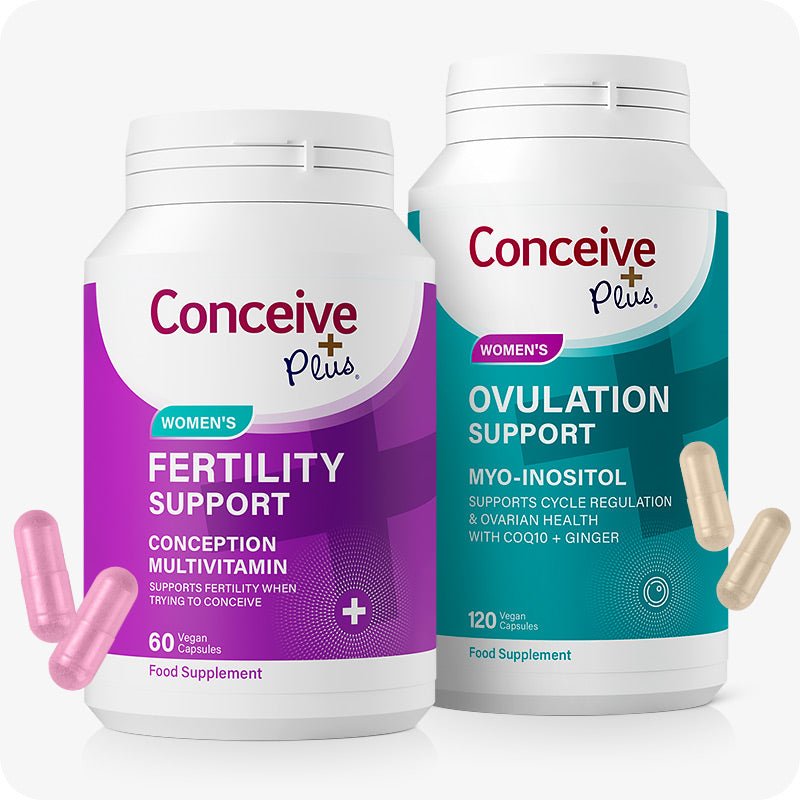
The most evidence-backed supplements for female fertility include:
- Folate/Methylfolate: Essential for preventing neural tube defects and has been associated with reduced risk of ovulatory infertility. European guidelines universally recommend 400 µg/day starting before conception.
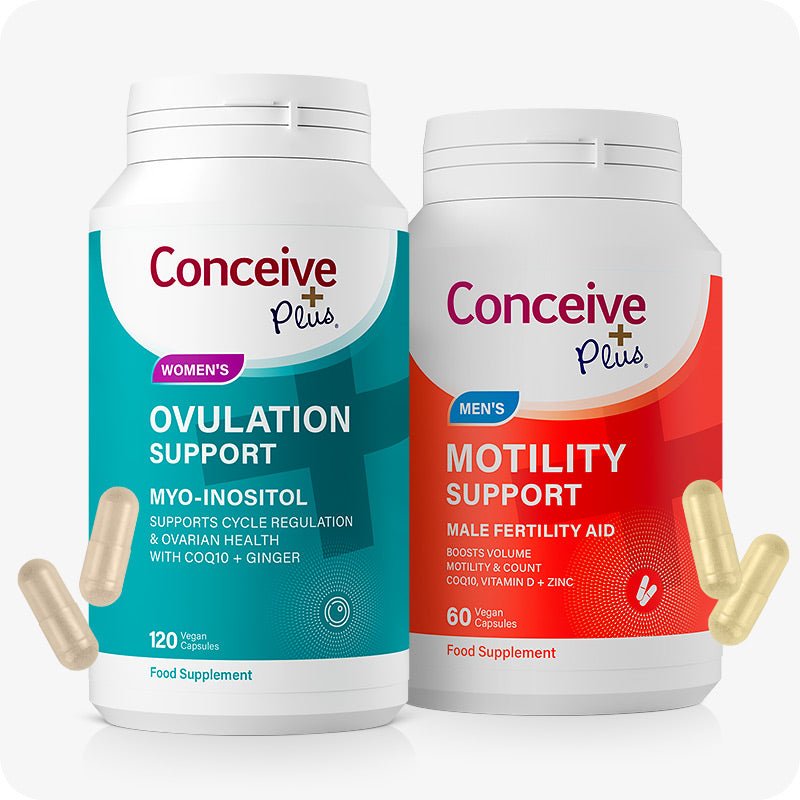
- Myo-inositol: Multiple RCTs support improved ovulation and menstrual regularity in women with PCOS.
- CoQ10: Supports mitochondrial function in eggs; particularly relevant with age or reduced egg quality.
- Vitamin D: Relevant across Europe given limited sunshine months; supports ovarian function and implantation.
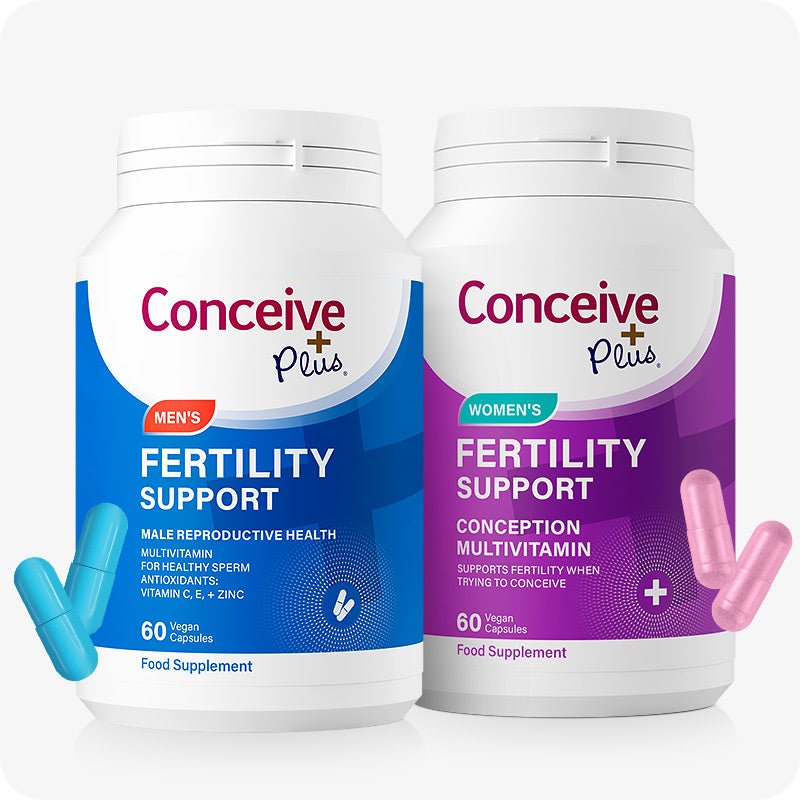
For men, evidence-based supplements include antioxidants (vitamins C and E, CoQ10, zinc, selenium) which have shown improvements in sperm DNA fragmentation, motility, and morphology across multiple RCTs.
Frequently Asked Questions About Fertility Myths
Is there a best sexual position for conception?
No. There is no scientific evidence that any particular sexual position increases the probability of conception. After ejaculation, sperm begin migrating through the cervix within seconds — regardless of position. Post-coital positioning rituals (lying with legs elevated, etc.) are similarly unsupported by evidence.
Can you improve egg quality?
Egg quality is primarily determined by age and genetics, but nutritional and lifestyle factors can influence the environment in which eggs mature. Antioxidants (CoQ10, vitamins C and E), reducing oxidative stress through diet, maintaining healthy weight, and avoiding smoking have the strongest evidence for supporting egg quality.
Does wearing tight underwear really affect male fertility?
There is modest evidence that elevated scrotal temperature impairs sperm production. The testes operate optimally 2–4°C below core body temperature — which is why they are located externally. Tight underwear, laptop heat, hot baths, and long sedentary periods have been associated in some studies with slightly reduced sperm quality. Switching to looser underwear is a low-risk, low-cost change with some supporting evidence.
Is there an ideal BMI for fertility?
Both underweight (BMI <18.5) and obesity (BMI >30) are associated with reduced fertility in women and men. The relationship is not linear — a "normal" BMI range (18.5–24.9) is generally associated with the most favourable fertility outcomes. However, BMI is an imperfect measure of health, and other factors (fitness, diet quality, body composition) also matter.
Does caffeine really reduce fertility?
High caffeine intake (>300 mg/day) has been associated with modestly reduced fecundity and slightly elevated miscarriage risk in some studies. Most European fertility guidelines recommend limiting caffeine to under 200 mg/day when trying to conceive — roughly 1–2 cups of coffee.
Can you be too fit to get pregnant?
Yes, in the context of very high exercise volumes combined with low energy availability — known as Relative Energy Deficiency in Sport (RED-S). When the body perceives insufficient energy for its needs, it prioritises survival over reproduction, suppressing ovulation. This is seen in female athletes, dancers, and those combining intense training with caloric restriction.
Are irregular periods always a sign of infertility?
Not necessarily. Irregular periods can reflect hormonal fluctuations, stress, weight changes, or transitions (such as coming off hormonal contraception). However, persistent irregularity (cycles consistently shorter than 21 days or longer than 35 days, or highly variable cycle lengths) warrants investigation, as it may indicate PCOS, thyroid dysfunction, or other conditions that can affect ovulation.
Is it true that IVF babies have more health problems?
IVF babies are not inherently less healthy than naturally conceived children. However, because IVF often involves multiple embryo transfers, the higher rate of multiple pregnancies (twins, triplets) historically associated with IVF does carry elevated risks. Modern IVF practice increasingly favours single embryo transfer, which significantly reduces multiple pregnancy risks. Large registry studies from Europe have not found significant differences in health outcomes for singletons born via IVF versus natural conception.
Does alcohol prevent pregnancy?
Regular alcohol consumption is associated with reduced fertility in both women and men, even at moderate levels. Alcohol disrupts hormone metabolism, impairs sleep, and can be directly toxic to eggs and sperm. However, occasional light drinking is not equivalent to using contraception — pregnancy can and does occur. When trying to conceive, minimising alcohol is evidence-based; complete abstinence is recommended once pregnancy is achieved.
Should I see a fertility specialist, or can I sort things out myself?
Self-management — tracking ovulation, optimising lifestyle, taking evidence-based supplements — is reasonable in the first year of trying (or 6 months if over 35). However, if conception hasn't occurred within the recommended timeframe, or if there are known risk factors (irregular cycles, previous STIs, prior reproductive surgery, known PCOS or endometriosis), seeking specialist evaluation is strongly advised. Earlier evaluation leads to earlier answers and earlier intervention when needed.
Navigating fertility requires good information — and dispelling myths is the foundation of that. By approaching your fertility journey with accurate, science-backed knowledge, you are better equipped to make decisions, advocate for yourself with healthcare providers, and maintain perspective through the emotional complexity of trying to conceive.
Ready to Take the Next Step?
Armed with the facts, you're better prepared for the journey ahead. Conceive Plus products are formulated with science and care to support you at every step — with no myths, just evidence.
Shop Fertility Lubricant