Improving Chances of Conception: A Comprehensive Guide for 2026


Did you know that 1 in 6 people globally now experience infertility, or that the U.S. fertility rate is projected to reach just 1.58 births per woman in 2026? These statistics can feel overwhelming when you're actively focused on improving chances of conception. It's incredibly frustrating to deal with conflicting online advice or hear dismissive suggestions to "just relax" while you're carefully monitoring every fertility window. You deserve a strategy based on data and science, not just hope.
We understand the anxiety that comes with age and the confusion of navigating a rapidly changing medical landscape. This guide provides a clear roadmap for the next three to six months by mastering the dual-track process of biological timing and environmental optimization. You'll learn how to sync with your cycle using tools like the FDA-cleared Natural Cycles app and understand how 2026 policy shifts, such as California's SB 729 insurance mandate, impact your path forward. We're here to help you build a supportive environment for your future family with confidence and clarity.
Key Takeaways
- Learn why timing intercourse in the days leading up to ovulation is significantly more effective than waiting for the day of ovulation itself.
- Master the three primary biological signs to accurately predict your most fertile days without relying solely on basic calendar apps.
- Identify specific dietary and lifestyle adjustments that focus on anti-inflammatory nutrition for improving chances of conception.
- Discover how to maintain a sperm-friendly environment by avoiding common household products and lubricants that can hinder fertilization.
- Implement a structured six-month action plan that moves from initial tracking and discovery to targeted fertility optimization.
Understanding the Biological Windows for Successful Conception
Most people assume that pregnancy can happen at any time during a monthly cycle, but the biological reality is much more specific. You actually only have a window of about six days each month where intercourse can lead to pregnancy. This "fertile window" comprises the day of ovulation and the five days leading up to it. While many traditional resources claim ovulation always happens on day 14 of a 28 day cycle, research shows that cycle lengths and ovulation days vary significantly between individuals. Understanding Fertility Awareness is the first step in identifying your unique patterns rather than relying on generic averages that may not apply to your body.
A major factor in improving chances of conception is recognizing the role of cervical mucus. This isn't just a side effect of your cycle; it's a sophisticated transport and filtration system. When you're approaching ovulation, your body produces "fertile-quality" mucus that looks like raw egg whites. This substance protects sperm from the naturally acidic environment of the vagina and provides a medium for them to swim through. Without this supportive environment, sperm rarely survive more than a few hours, making the timing of intercourse relative to your mucus patterns critical.
To better understand these biological concepts and how they impact your journey, watch this helpful video:
The 24-Hour Rule: The Egg's Short Lifespan
The primary bottleneck in the conception process is the lifespan of the egg. Once an egg is released during ovulation, it's only viable for approximately 12 to 24 hours. If it isn't fertilized within this narrow timeframe, it begins to degrade and the window for that month closes. This is why waiting for a positive result on an ovulation predictor kit (OPK) can sometimes be too late. By the time the surge is detected, you may only have a few hours of peak fertility remaining. The most effective conception window is the 5 days leading up to ovulation, ensuring that sperm are already in place when the egg arrives.
Sperm Longevity: Creating a 'Waiting Room'
While the egg is short-lived, healthy sperm are the marathon runners of the reproductive system. In the presence of fertile cervical mucus, sperm can survive inside the female reproductive tract for up to five days. They often congregate in small "reservoirs" or crypts within the cervix, which release them slowly toward the fallopian tubes. This creates a "waiting room" effect where sperm are already present and ready the moment ovulation occurs. Having frequent intercourse in the three days prior to ovulation significantly increases the density of this sperm reservoir. Using specialized support like Conceive Plus Europe can help maintain a balanced environment that supports sperm mobility and longevity during this critical transit phase.
How to Accurately Predict Your Ovulation at Home
Predictability is the foundation for improving chances of conception. While many people start their journey by using a simple calendar, these tools are often inaccurate because they rely on averages rather than your unique biology. If your cycle varies by even a few days, a standard app might miss your fertile window entirely. Instead of guessing, you can use physiological biomarkers to get a real-time view of your hormonal shifts. Medical experts often suggest learning how to maximize fertility by combining multiple tracking methods to create a "sympto-thermal" profile. This approach uses your body's physical signals to verify what a digital test strip suggests.
Mastering the Art of Mucus Tracking
Your cervical mucus changes in direct response to rising estrogen levels. In the days immediately following your period, you'll likely feel "dry." As you approach your fertile window, the texture becomes "creamy" or "lotion-like." The gold standard for peak fertility is "egg white" cervical mucus (EWCM). This substance is clear, slippery, and stretches at least an inch between your fingers without breaking. It's designed specifically to help sperm survive and swim. To keep your tracking accurate, be aware of factors that can mask these signs:
- Antihistamines: These can dry out all bodily secretions, including cervical mucus.
- Hydration: Dehydration can make mucus appear thicker or stickier than it actually is.
- Arousal Fluid: This can sometimes be confused with fertile mucus, so it's best to check your signs at the same time each morning.
Digital Tools and Calculators
Technology bridges the gap between physical sensations and actionable data. A dedicated ovulation calculator helps you spot long-term patterns by analyzing your historical cycle data. While Basal Body Temperature (BBT) is an excellent tool for confirming that ovulation actually occurred, it's a "rear-view mirror" metric. It won't warn you that ovulation is coming; it only tells you it's over. For the highest prospective accuracy, use Luteinizing Hormone (LH) strips to detect the surge that triggers egg release. Combining these strips with mucus tracking offers nearly 99% accuracy in identifying your peak window. If you're looking for more ways to support your body throughout this process, you can explore specialized fertility support products designed to complement your tracking efforts.
Optimizing Your Lifestyle for Peak Fertility
While timing is critical, the biological quality of the egg and sperm determines whether fertilization leads to a healthy pregnancy. It takes approximately 90 days for an egg to mature and for sperm to be produced. This three month window is your prime opportunity for improving chances of conception through targeted lifestyle adjustments. Think of your body as the soil; the more nutrient dense and toxin free it is, the better the chances for a seed to take root.

✨ Trying to Conceive?
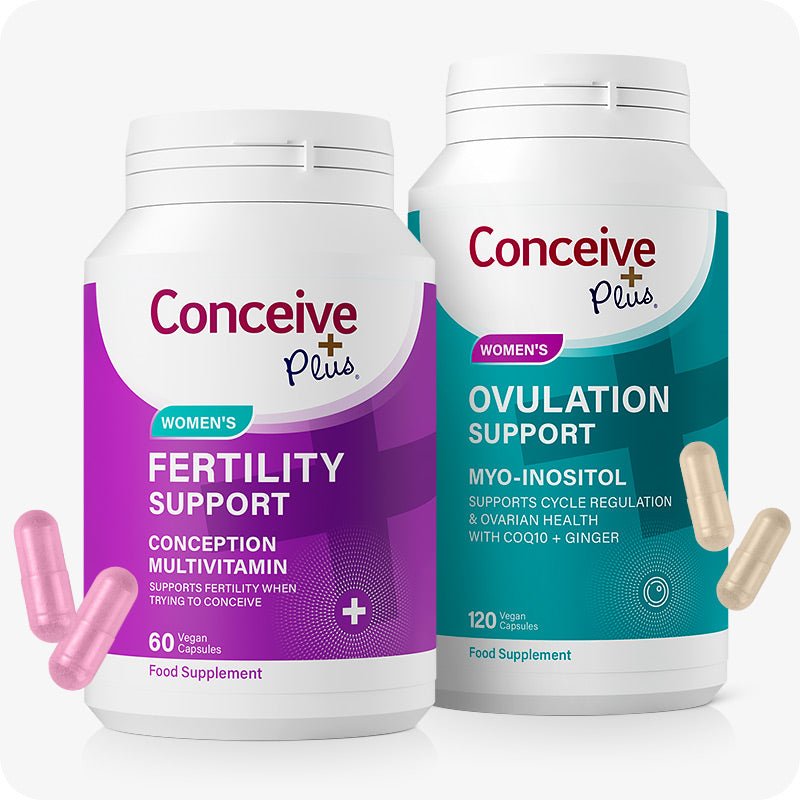
Our fertility supplements combine Myo-Inositol with essential vitamins to support healthy hormone balance and regular ovulation.
Shop Now — $44.98✓ Free shipping available | ✓ Trusted by millions of couples worldwide
Weight plays a pivotal role in hormonal signaling. Clinical data suggests a "Goldilocks zone" for Body Mass Index (BMI), typically between 18.5 and 24.9. Being significantly outside this range can cause the body to produce too much or too little estrogen, which often interferes with regular ovulation. Pairing a healthy BMI with an anti-inflammatory diet rich in leafy greens, fatty fish, and complex carbohydrates helps stabilize insulin levels. High insulin is a known disruptor of reproductive hormones, particularly in those with conditions like PCOS.
Social habits also require a second look. Vaping and tobacco use are linked to accelerated egg loss and DNA fragmentation in sperm. Alcohol should be limited or avoided, as even moderate consumption can decrease the probability of conception in some cycles. While "just relax" is dismissive advice, managing cortisol is scientifically sound. Chronic stress triggers the "fight or flight" response, which can deprioritize reproductive functions and delay your LH surge. Reducing caffeine to under 200mg per day is another small change that supports a more stable hormonal environment.
Essential Nutrients for Both Partners
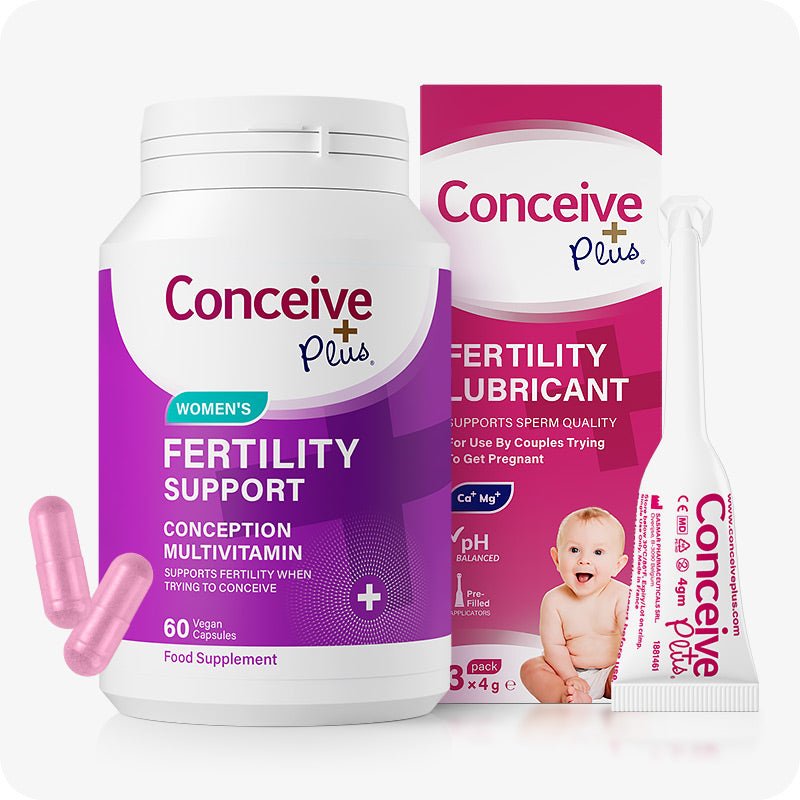
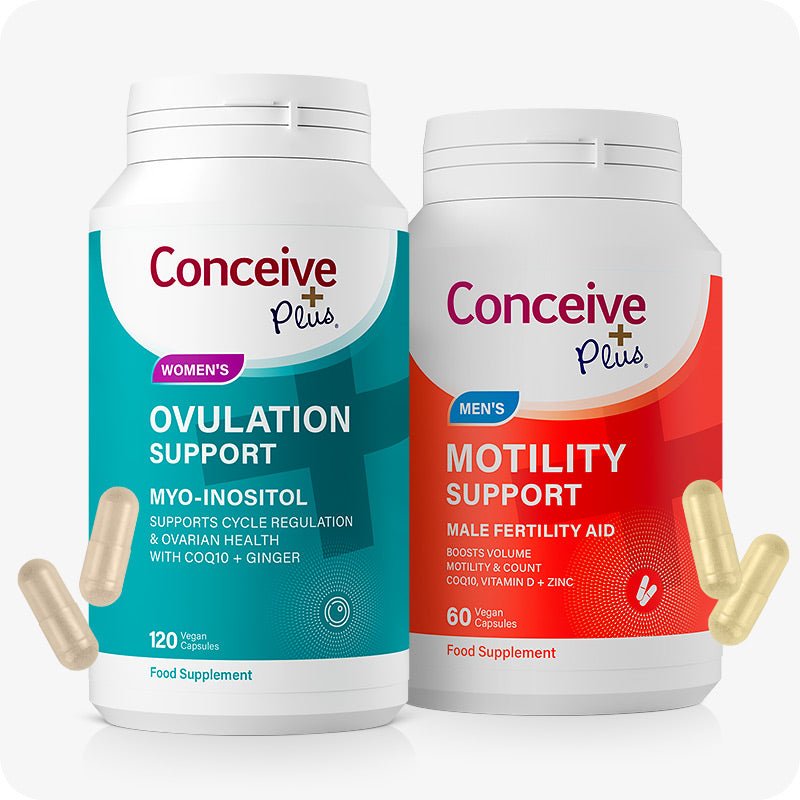
Nutrition isn't just about calories; it's about the specific building blocks of life. Folic acid, or its active form folate, is essential for DNA synthesis and preventing neural tube defects. For men, Zinc and Selenium act as a "power couple" to improve sperm count and swimming ability. You should start taking high-quality prenatal vitamins at least 3 months before you begin trying to conceive to ensure these levels are optimal. Many couples find that fertility support bundles simplify this process by providing the right balance for both partners.
Environmental Toxins to Avoid
Your environment contains "hidden" disruptors that mimic hormones and confuse your endocrine system. Phthalates in synthetic fragrances and BPA in plastic food containers are common culprits. Switching to glass storage and fragrance-free personal care products can reduce your toxic load within weeks. Male fertility is especially sensitive to heat. Sperm production requires a temperature slightly lower than the rest of the body. To protect this, men should avoid using laptops directly on their laps and skip the sauna or hot tub during the journey of improving chances of conception.
Creating a Sperm-Friendly Environment During Intercourse
Timing your cycle and tracking ovulation are essential steps, but the environment where fertilization begins is just as critical. Many couples focus entirely on the "when" of conception while overlooking the "how." The vaginal environment is naturally acidic, with a pH level typically between 3.8 and 4.5. This acidity is a vital defense against infections, but it's inherently hostile to sperm, which require a more alkaline environment of 7.2 to 8.5 to survive. While fertile cervical mucus helps bridge this gap, many common habits and products can inadvertently sabotage your efforts in improving chances of conception by disrupting this delicate balance.
One of the most frequent hurdles is what experts call the "Lubricant Trap." Most standard drugstore lubricants are not designed with fertility in mind. These products often have high osmolality, meaning they can draw water out of sperm cells, causing them to shrivel and lose motility. Even those not labeled as spermicides can act as a barrier that prevents sperm from reaching the cervix. Science also debunks several common myths about positioning. While many believe that "legs up" for 20 minutes after sex is necessary, research shows that sperm reach the cervical canal within seconds of ejaculation. Gravity isn't the primary driver; instead, the chemical and ionic balance of the environment dictates success.
The Role of Fertility-Friendly Lubricants
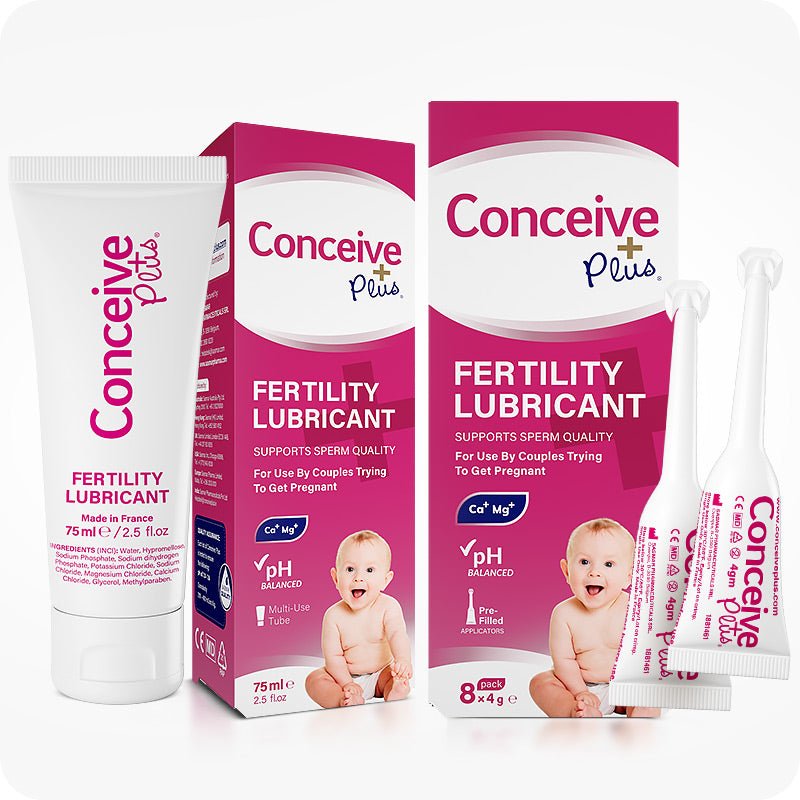
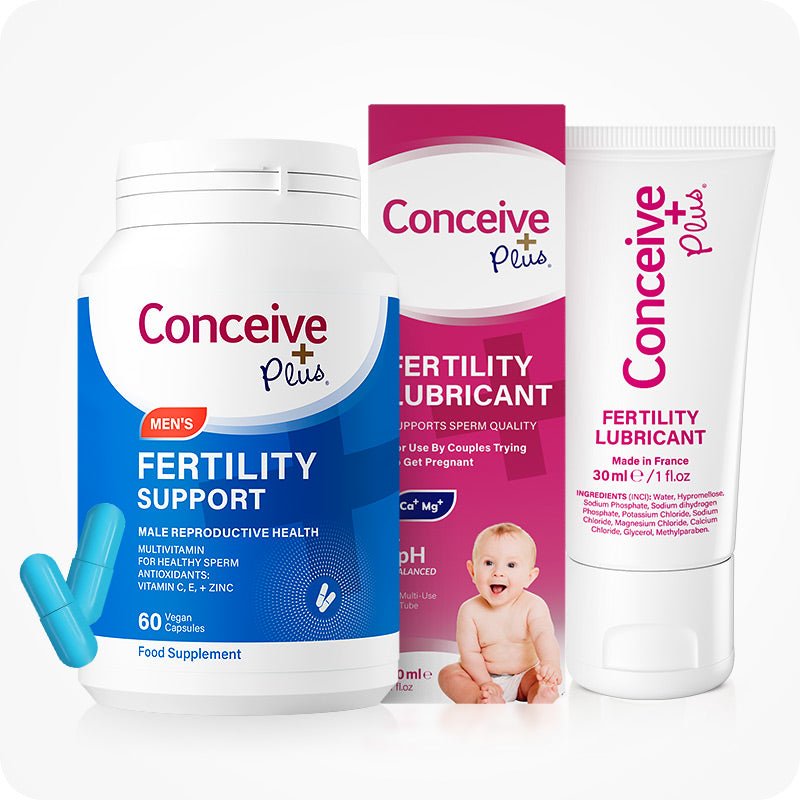
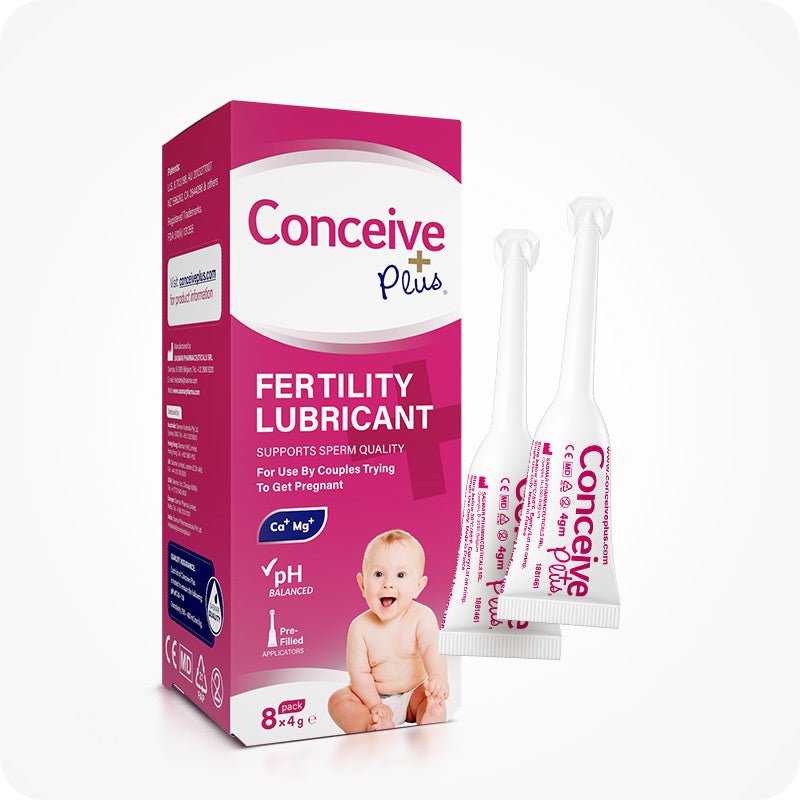
To support the journey toward the egg, you need a medium that mimics the body's natural fluids. Using specialized fertility-friendly lubricants can make a significant difference. Unlike regular options, these are isotonic and pH-balanced to match fertile mucus. They also include essential Magnesium and Calcium ions. These minerals aren't just for bone health; they're vital for the "hyperactivation" of sperm, giving them the final burst of energy needed to penetrate the egg's outer layer. Using internal applicators ensures the lubricant is placed near the cervix, providing a safe path through the most acidic parts of the vaginal canal.
Male Factor Optimization
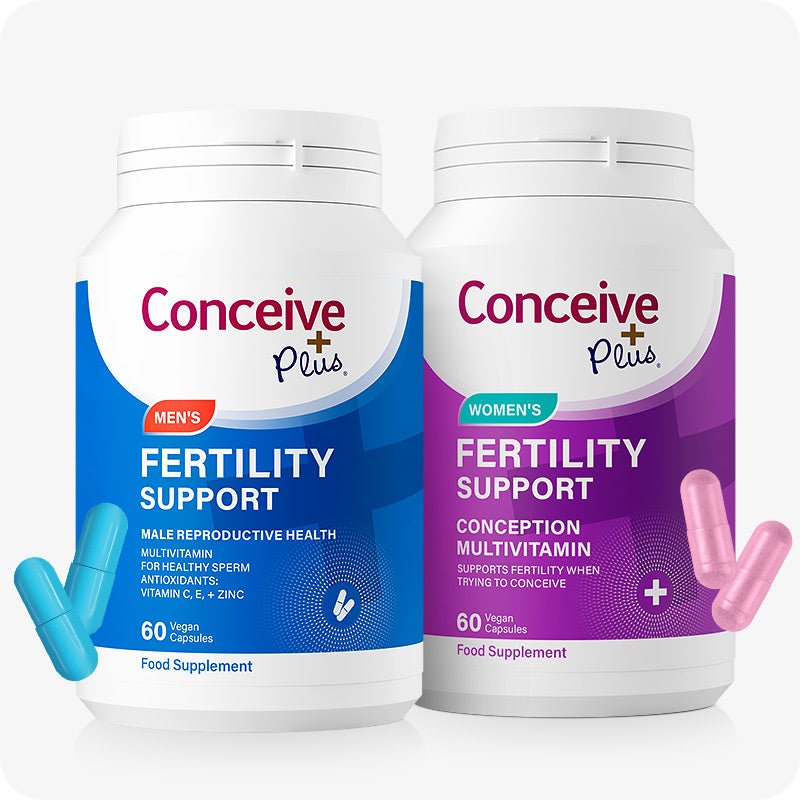
It's a common misconception that fertility is primarily a female concern. In reality, 40 to 50 percent of conception challenges involve the male partner. Improving sperm quality is just as important as tracking a cycle. Frequency of intercourse matters; while daily sex might seem better, having intercourse every other day (EOD) is often optimal. This rhythm allows sperm counts to replenish while ensuring that the cells remain fresh and mobile. Simple changes like switching to loose-fitting clothing and adding targeted antioxidants can significantly boost count and motility. For those looking for a comprehensive approach, you can find specialized support for both partners here to ensure you're covering every angle of the conception process.
Developing Your 6-Month Conception Action Plan
Approaching the journey of parenthood with a structured timeline helps reduce the anxiety often associated with the unknown. Instead of leaving everything to chance, a phased approach allows you to address biological variables systematically. This roadmap focuses on improving chances of conception by aligning your lifestyle, environment, and medical data over a manageable six month period. By breaking the process down, you can focus on small, actionable goals rather than feeling overwhelmed by the bigger picture.
The first two months are the Discovery Phase. This is when you should stop hormonal birth control and begin observing your natural cycle. Use these eight weeks to establish your baseline using the tracking methods discussed in earlier sections. Focus on identifying your unique fertile window and adopting the "Fertility Diet." The goal here isn't necessarily immediate success, but rather gathering the data you'll need if you need to consult a specialist later.
Months three and four represent the Optimization Phase. Since it takes about 90 days for sperm and eggs to mature under new lifestyle conditions, this is when your nutritional and environmental changes truly begin to impact your fertility. Ensure you're consistently using sperm-friendly lubricants and that both partners are adhering to their supplement routines. If you haven't conceived by month five, the Review Phase begins. This is the time to look back at your tracking data to ensure your timing has been accurate and to check for consistent patterns in your LH surges or cervical mucus.
Tracking Your Progress
A fertility journal is an invaluable tool during this six month window. Beyond just recording temperatures or test results, use it to note irregularities like spotting or unusually short cycles. Staying emotionally connected as a couple is equally vital. The process can feel clinical, so make sure to schedule "non-fertility" time to maintain your bond. To help manage the costs of a multi-month plan, you can check out special offers for bundles that provide consistent support for both partners.
When to Seek Professional Help
The "one-year rule" for seeking medical advice isn't a one-size-fits-all solution. Clinical guidelines suggest that if you're under 35, you should seek a consultation after 12 months of well-timed intercourse. However, if you're over 35, that window drops to 6 months. You should break these rules and see a doctor immediately if you have known red flags like endometriosis, a history of pelvic inflammatory disease, or highly irregular periods. When you go to your first appointment, bring your fertility journal. Providing a specialist with six months of real-world data is far more effective than relying on anecdotes, as it allows them to skip basic troubleshooting and move straight to targeted testing.
Taking Your Next Steps Toward Parenthood
You've moved from the frustration of passive waiting to a data-driven strategy. By mastering your unique biological timing and optimizing your physical environment, you're now equipped with a proactive roadmap. It's helpful to remember that the shifts you make today in your nutrition and tracking habits take about 90 days to fully impact your reproductive health. Consistency is your greatest ally as you move through your six month action plan.
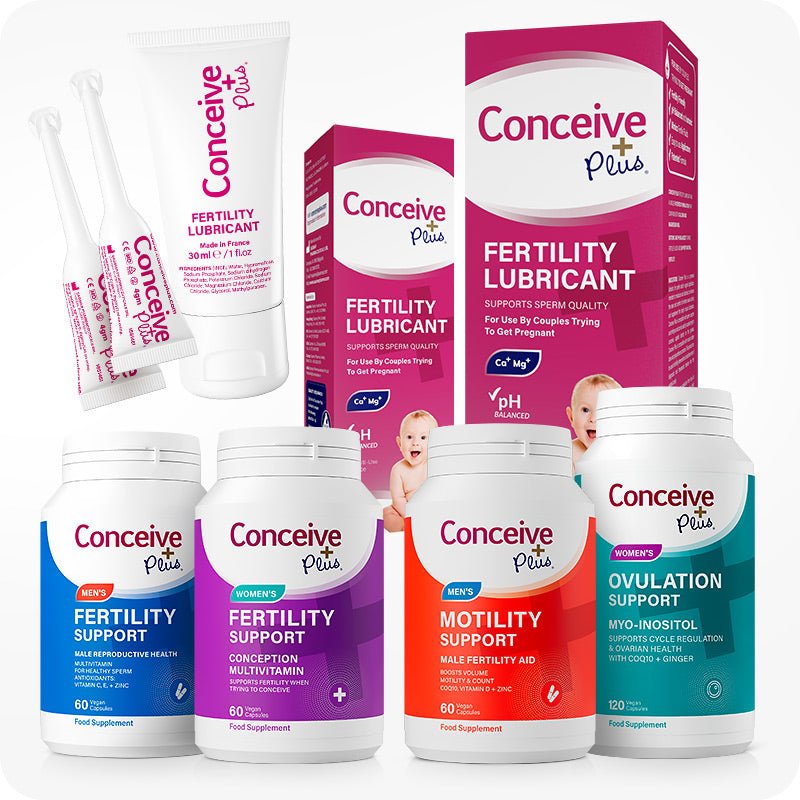
If you're ready to take the next step, shop the Conceive Plus Europe Fertility Collection to support your journey. Our products are trusted by doctors in over 70 countries and are specifically FDA cleared and pH-balanced for sperm safety. Unlike standard drugstore brands that can hinder progress, our formulas are developed with essential Calcium and Magnesium ions to support the fertilization process. You don't have to navigate this path alone. With the right tools and a clear plan, you can approach the coming months with renewed confidence and clarity. Your journey to parenthood is unique, and you're now better prepared than ever for improving chances of conception.
Frequently Asked Questions
How can I increase my chances of getting pregnant fast?
Precision timing and biological tracking are the keys to accelerating the process. Intercourse should occur during the five days leading up to ovulation to ensure sperm are already present when the egg is released. Most healthy couples conceive within a year, but you can optimize this by ensuring both partners are at peak health. Start by eliminating environmental toxins and beginning a prenatal regimen three months before you start trying.
Does using lubricant really affect my chances of conception?
Standard lubricants often create a hostile environment by damaging sperm or blocking their path to the cervix. Many popular brands have high salt and sugar concentrations that dehydrate sperm cells. Using a specialized, isotonic lubricant that mimics natural fertile fluids is a better choice for improving chances of conception. This ensures the pH balance remains favorable for sperm survival and motility throughout the fertile window.
What are the best foods to eat when trying to conceive?
A diet high in plant based proteins, healthy fats, and antioxidants is ideal for reproductive health. Incorporate foods like spinach for folate, salmon for omega 3s, and berries for cell protection. These nutrients improve egg quality and support a healthy uterine lining. For men, including pumpkin seeds or oysters can boost zinc levels, which is vital for sperm production and the ability of sperm to reach the egg.
How often should we have sex to get pregnant?
Aim for intercourse every one to two days during your six day fertile window. Research shows that having sex every other day maintains a high sperm concentration while ensuring sperm are already in the fallopian tubes when ovulation occurs. You don't need to have sex multiple times a day. Focusing on quality timing during your most fertile days is much more important for success than sheer frequency throughout the month.
Can stress actually prevent me from conceiving?
High stress levels can indirectly affect fertility by disrupting the hormonal axis that controls your cycle. This disruption can lead to delayed ovulation or even a completely skipped cycle in some cases. While stress itself isn't a form of permanent infertility, reducing chronic cortisol through better sleep and boundary setting creates a more stable environment. It helps your body recognize it's in a safe, healthy state to support a pregnancy.
When is the best time to take a pregnancy test for an accurate result?
The most accurate time to test is one day after your period was expected to start. Testing earlier can result in a false negative because the body hasn't produced enough hCG to be detected by standard kits. If you have an irregular cycle, wait at least three weeks after unprotected sex before testing. Always use your first morning urine, as it contains the highest hormone concentration for a more reliable reading.
Does the woman's orgasm help with conception?
An orgasm is not a biological requirement for getting pregnant, though it may provide a slight mechanical advantage. Some researchers believe that the contractions associated with a female orgasm help pull sperm deeper into the reproductive tract. While this hasn't been proven to significantly increase success rates, it doesn't hurt. Focusing on pleasure can also help reduce the emotional stress often associated with the process of timed intercourse.
Should I stop drinking coffee entirely while trying to conceive?
Most experts agree that consuming less than 200 milligrams of caffeine daily does not negatively impact your fertility. This is roughly the equivalent of one standard twelve ounce cup of brewed coffee. However, excessive caffeine can lead to dehydration and may affect the quality of your cervical mucus. Staying within these moderate limits is a sensible approach for improving chances of conception without giving up your morning routine entirely.
🌱 Support Your Fertility Journey
Conceive Plus fertility supplements are clinically formulated to help regulate your cycle and support egg quality.
Shop Fertility Support →Trusted by Couples in Over 70 Countries
Support Male Fertility From the Inside Out
Male fertility is just as important as female fertility in the conception journey. Conceive Plus Men's range delivers targeted nutritional support to promote healthy sperm and overall reproductive wellbeing.
Shop Men's Range →