How to Lengthen Luteal Phase Naturally: A Step-by-Step Guide for 2026


What if the early spotting and short cycles you see on your tracking app aren't just a fluke, but a clear signal that your body's hormonal building blocks are being diverted elsewhere? It's incredibly frustrating to do everything right only to see your period arrive days earlier than expected. You aren't alone in feeling anxious when your app flags a nine or ten day luteal phase, especially when 1 in 6 people globally face fertility challenges. Learning how to lengthen luteal phase naturally is about more than just adding a pill; it's about supporting your body's endocrine system from the ground up.
Most women feel confused by the conflicting advice on supplements or the cost of testing, which can range from $24 to over $105 for a simple progesterone check. We agree that you deserve a clearer path to hormone health that doesn't rely solely on immediate prescriptions. You'll discover how to optimize your progesterone levels and create a more receptive environment for implantation by using science-backed nutritional and lifestyle shifts. This guide provides a step-by-step look at reducing the "progesterone steal" and implementing the specific habits needed to achieve a healthy 12 to 14 day luteal phase in 2026.
Key Takeaways
- Understand why a strong ovulation is the essential foundation for a robust luteal phase and consistent progesterone production.
- Learn how specific nutrients like Vitamin B6 and Vitamin C act as hormonal catalysts to support and thicken the uterine lining.
- Discover how to lengthen luteal phase naturally by adjusting exercise intensity and prioritizing sleep to protect your endocrine rhythm.
- Identify the specific lifestyle shifts that prevent "progesterone steal" so your body can focus on maintaining a potential pregnancy.
- Determine when to complement dietary changes with fertility support supplements and recognize the right time to consult a specialist.
Understanding the Luteal Phase and Why Its Length Matters
The luteal phase is the second half of your menstrual cycle, beginning immediately after ovulation and ending when your period starts. During this time, your body prepares for a potential pregnancy. For a deeper look at the biological mechanisms involved, Understanding the Luteal Phase helps clarify how your hormones shift once the egg is released. If you've noticed your period arriving sooner than expected, you may be researching how to lengthen luteal phase naturally to give your body more time for a successful pregnancy.
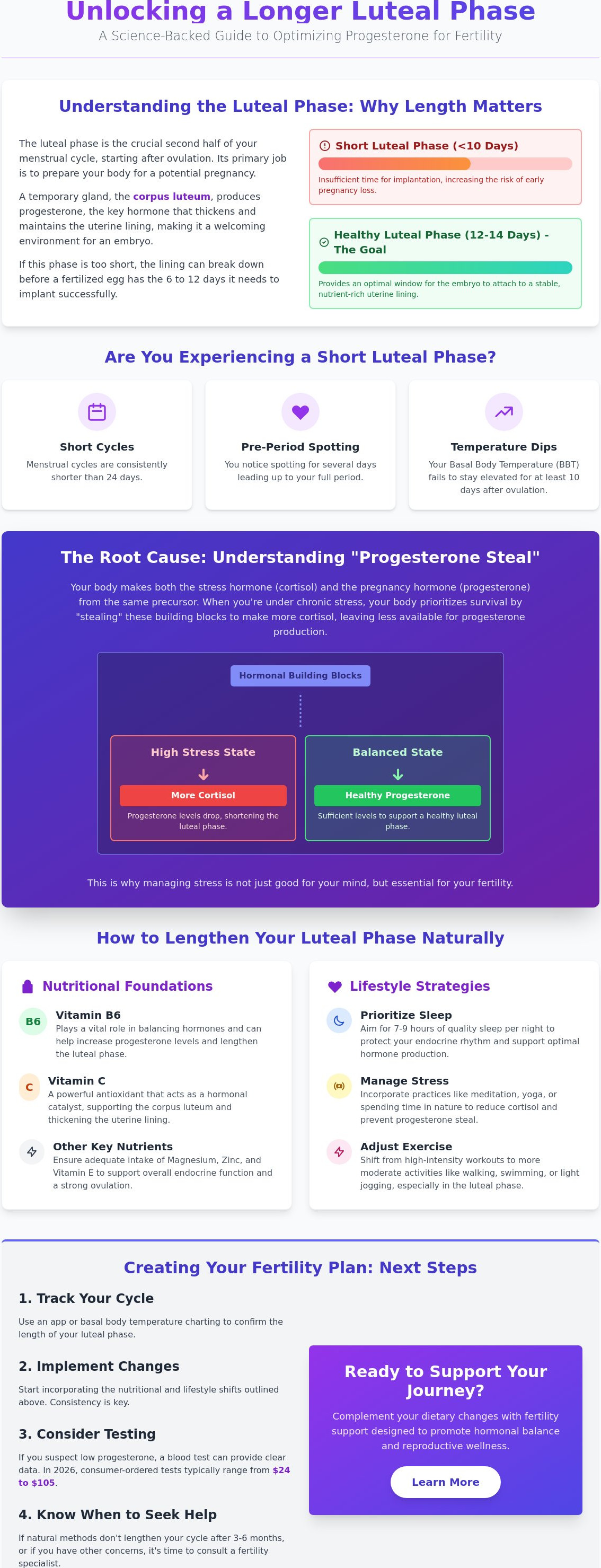
Once ovulation occurs, the empty follicle transforms into a temporary gland called the corpus luteum. This gland's primary job is to produce progesterone, which acts as a biological "glue" for the uterine lining. It keeps the lining thick, vascular, and ready for an embryo. If progesterone levels drop too soon, the lining begins to shed, resulting in a period. This is why the length of this phase is so critical for fertility.
To better understand this concept, watch this helpful video:
The Connection Between Luteal Length and Implantation
Implantation doesn't happen the moment you conceive. It typically takes 6 to 12 days for a fertilized egg to travel down the fallopian tube and find a place to settle. If your luteal phase is less than 10 days, the uterine lining may begin to break down before the embryo has a chance to successfully attach. This is often referred to as a "luteal phase defect," a condition that can lead to early pregnancy loss or difficulty conceiving. To track your own cycle accurately, using an ovulation calculator can help you pinpoint exactly when this phase begins and identify if your window for implantation is too narrow.
What is a 'Normal' Luteal Phase in 2026?
In 2026, fertility experts generally agree that a healthy luteal phase lasts between 12 and 14 days. While many women believe their entire cycle is unpredictable, the variation usually occurs in the first half of the month, the follicular phase. The second half is remarkably consistent. If you consistently see a phase of 10 days or fewer, learning how to lengthen luteal phase naturally can be a game changer. Common signs of a short phase include spotting several days before your period, cycles shorter than 24 days, and a basal body temperature that fails to stay elevated after ovulation. If you want to confirm your levels, a consumer-ordered progesterone blood test in 2026 typically ranges from $24 to $105, providing concrete data to bring to your specialist.
The Science of Progesterone: Why Your Luteal Phase is Short
Progesterone is the primary architect of your cycle's second half. Its main responsibility is maintaining the "nest" for a potential pregnancy by keeping the uterine lining stable and nutrient-dense. When your body doesn't produce enough of this hormone, the lining begins to break down too soon, leading to the early spotting many women find so frustrating. If you're trying to understand how to lengthen luteal phase naturally, you must address the root causes of low progesterone. Research shows that US infertility rates sit at about 13.4% for women aged 15-49, and often, a short luteal phase is a contributing factor.
The transition from the first half of your cycle to the second is a delicate handoff. A robust ovulation is required to trigger the production of progesterone. If the signal is weak, the resulting hormone levels will be insufficient to sustain the necessary 12 to 14 day window. Factors like age play a significant role here; fertility begins to decline at 30 and accelerates after 35. Additionally, hormonal imbalances such as PCOS or elevated prolactin can interfere with this handoff, causing your body to skip the "maintenance" phase entirely. Monitoring your progesterone levels in the luteal phase is a vital step in identifying these clinical gaps.
The 'Progesterone Steal' Explained
Your body is designed for survival first and reproduction second. During periods of high stress, your system prioritizes the production of cortisol, the primary stress hormone. Both cortisol and progesterone share a common precursor called pregnenolone. When you're stuck in a "fight or flight" state, your body "robs" that precursor to make more cortisol, leaving very little left for progesterone. This biological diversion is often the reason why high-stress months result in earlier periods or spotting. Identifying these lifestyle leaks is the first step toward a holistic approach to fertility.
The Role of the Corpus Luteum
The corpus luteum is a temporary gland that forms from the follicle that just released an egg. Its lifespan and strength are actually determined by the health of that egg before it was even released. If the follicular phase was compromised by poor nutrition or lack of sleep, the corpus luteum may be "weak" from the start. Supporting the longevity of this gland involves nourishing the egg throughout its 90-day maturation cycle. By focusing on egg quality, you're directly influencing how to lengthen luteal phase naturally from the inside out.
Nutritional Foundations: Foods and Vitamins to Support Progesterone
Nutrition serves as the literal building blocks for your hormones. If you're looking for how to lengthen luteal phase naturally, your grocery list is your first line of defense. In 2026, as the FDA modernizes the regulatory framework for dietary supplements, there's a renewed focus on the quality and source of the nutrients we consume. While targeted support can be helpful, whole foods offer a complex matrix of co-factors that help your body absorb and utilize these vitamins more effectively than isolated pills alone.
Vitamin B6 is the standout performer for cycle regulation. It acts as a heavy hitter by helping the body use progesterone more efficiently and has been shown to extend the luteal window in women with shorter cycles. Vitamin C is equally vital; research suggests it can boost progesterone levels by up to 77% in some cases while simultaneously improving egg quality. You should also prioritize Zinc, which prompts the pituitary gland to release follicle-stimulating hormone (FSH). This sets the stage for a robust ovulation, which we previously established is the prerequisite for a strong luteal phase. Finally, loading up on antioxidant-rich foods like blueberries or dark chocolate protects the corpus luteum from oxidative damage, allowing it to function at peak capacity for the full 12 to 14 days.
Essential Fatty Acids and Cholesterol
Progesterone production starts with a surprising and often misunderstood ingredient: cholesterol. For years, low-fat diet trends have misled people into avoiding the very fats their bodies need to create sex hormones. Progesterone isn't made from thin air; it's synthesized from cholesterol. If you're consistently under-eating fats, your body simply won't have the raw materials to sustain a healthy uterine lining. Integrating healthy fats is a non-negotiable step in your fertility plan. Omega-3 fatty acids, found in wild-caught fish, walnuts, and chia seeds, do more than just provide fuel. They increase blood flow to the pelvic organs and dampen the systemic inflammation that can interfere with the delicate "follicular-luteal handoff."
Magnesium and Leafy Greens
Balancing your cycle also requires efficient "waste management" of your hormones. Magnesium is essential for metabolizing excess estrogen, preventing a state of estrogen dominance that can crowd out progesterone's effects. If your estrogen levels stay too high after ovulation, your luteal phase will likely be cut short because the hormonal ratio is skewed. Fiber from leafy greens, cruciferous vegetables, and seeds acts like a broom, clearing used hormones from your digestive tract before they can be reabsorbed into the bloodstream. A simple daily habit, such as a smoothie with spinach, pumpkin seeds, and berries, provides the magnesium and fiber necessary to keep your system clear and your progesterone in the lead.
Lifestyle Strategies to Protect Your Progesterone
Lifestyle choices act as the daily environment for your hormones. If you're wondering how to lengthen luteal phase naturally, you must look at how you manage your energy and stress. While nutrition provides the raw materials, your lifestyle determines if those materials are used for reproduction or diverted for survival. Simple shifts in your daily routine can signal to your body that it's safe to sustain a pregnancy, effectively protecting your progesterone from being "stolen" by stress hormones.
Prioritizing eight hours of sleep is the foundation of this process. Your endocrine system follows a circadian rhythm; consistent rest allows for the pulsatile release of Luteinizing Hormone (LH), which is necessary to keep the corpus luteum active. Exercise also requires a strategic approach. High-intensity interval training (HIIT) can spike cortisol levels, which we've already identified as a progesterone disruptor. Switching to "fertility-friendly" movement like yoga or walking supports pelvic circulation without triggering a stress response. Additionally, reducing caffeine and alcohol intake lightens the load on your liver. Since the liver is responsible for clearing used hormones, keeping it efficient ensures a healthy balance between estrogen and progesterone.
Circulation is another key factor. The "Warm Womb" concept focuses on increasing blood flow to the reproductive organs. Techniques like acupuncture or the use of castor oil packs during the follicular phase can improve the vascularity of the uterine lining. This prepares the "nest" before the luteal phase even begins. To start building your personalized plan for a healthier cycle, explore our comprehensive fertility resources.
The Cortisol Cleanse
Since stress is a primary driver of short cycles, you need a proactive framework to manage it. Start with these three steps:
- Step 1: Identify your top three daily stressors, whether it's a specific work task or a cluttered environment.
- Step 2: Implement a 10-minute daily meditation or deep breathing practice to consciously shift your nervous system out of "fight or flight" mode.
- Step 3: Set digital boundaries. Reducing blue light exposure for at least 60 minutes before bed protects your melatonin production, which is a powerful antioxidant for your ovaries.
Tracking for Success
In 2026, fertility tracking has moved beyond simple calendar math. The market for fertility apps is projected to reach over $650 million by 2033, and many now integrate with wearables like the Oura Ring or Apple Watch to track Basal Body Temperature (BBT) automatically. Using BBT is the most reliable way to confirm the exact day of ovulation and measure the length of your luteal phase. When reviewing your charts, look for specific patterns. A "slow rise" after ovulation might indicate a sluggish start to progesterone production, while a "fallback rise," where temperatures drop briefly before rising again, can signal a need for more nutritional support. Tracking for at least three consecutive cycles allows you to see these trends and understand how to lengthen luteal phase naturally by adjusting your habits in real-time.
Creating Your Fertility Plan: Next Steps and Support
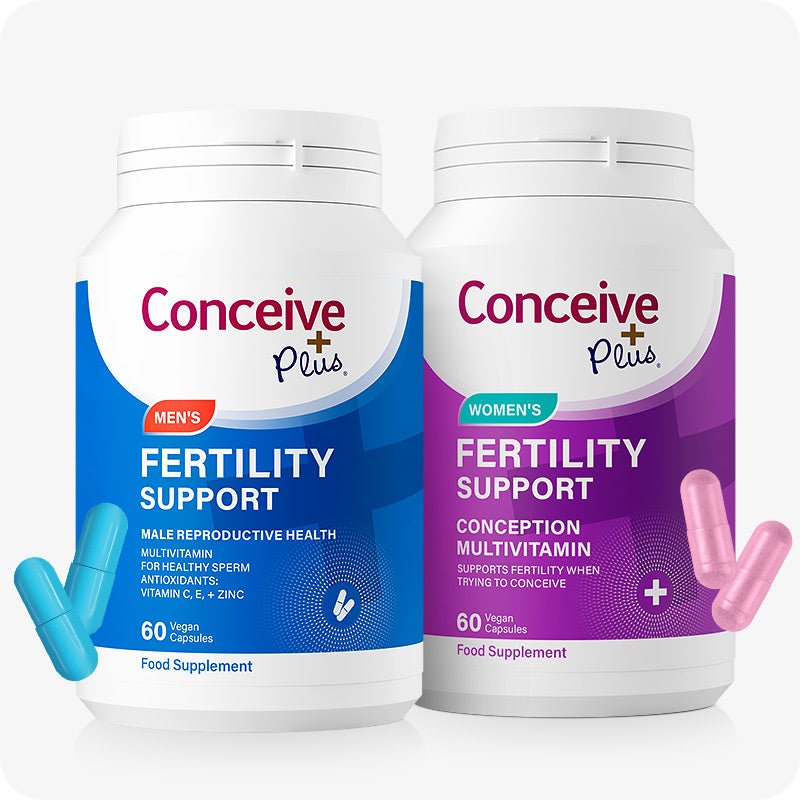
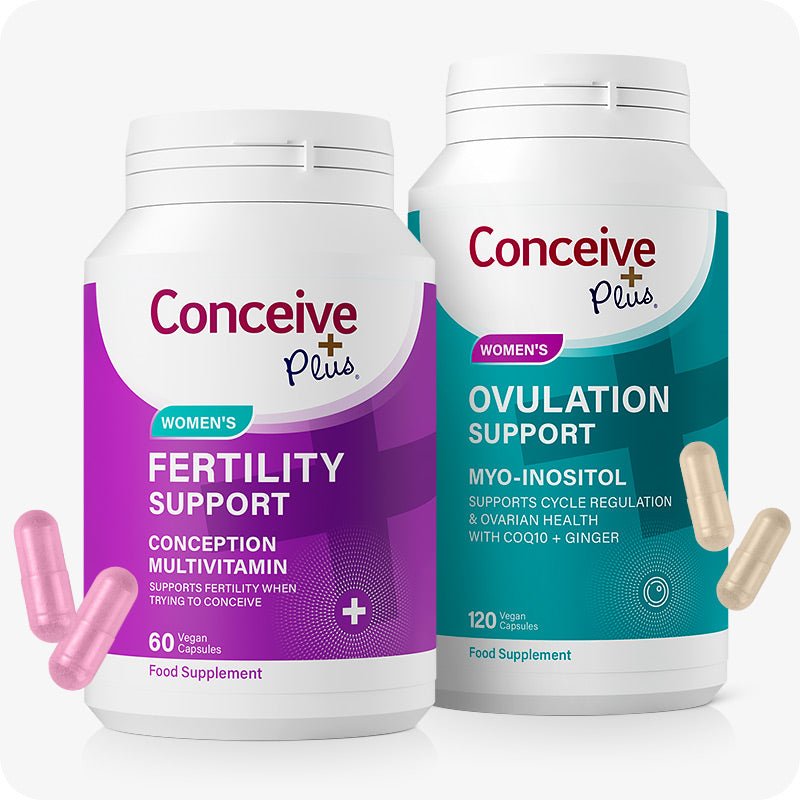
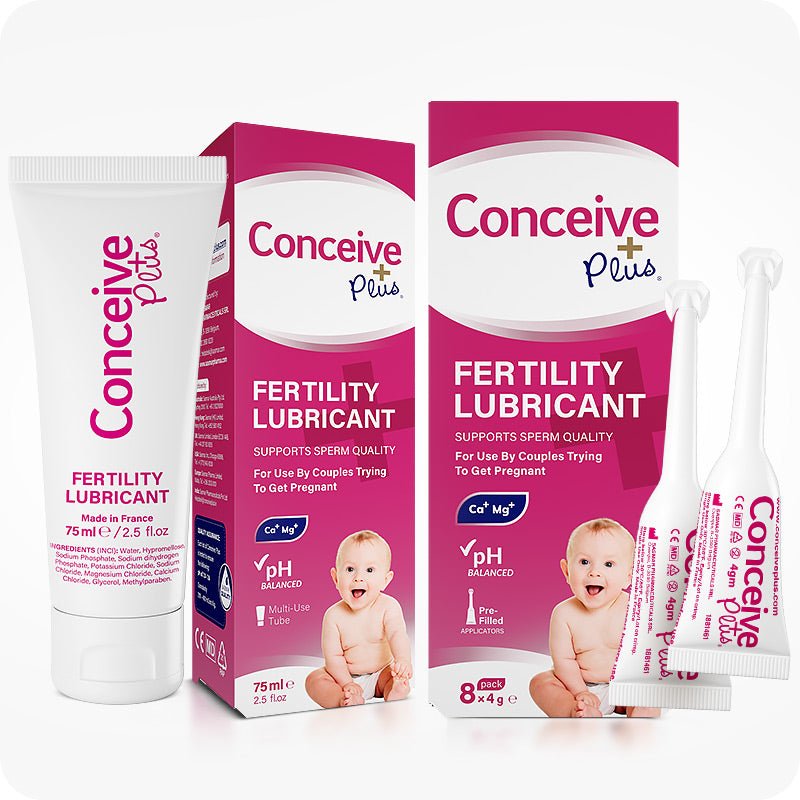
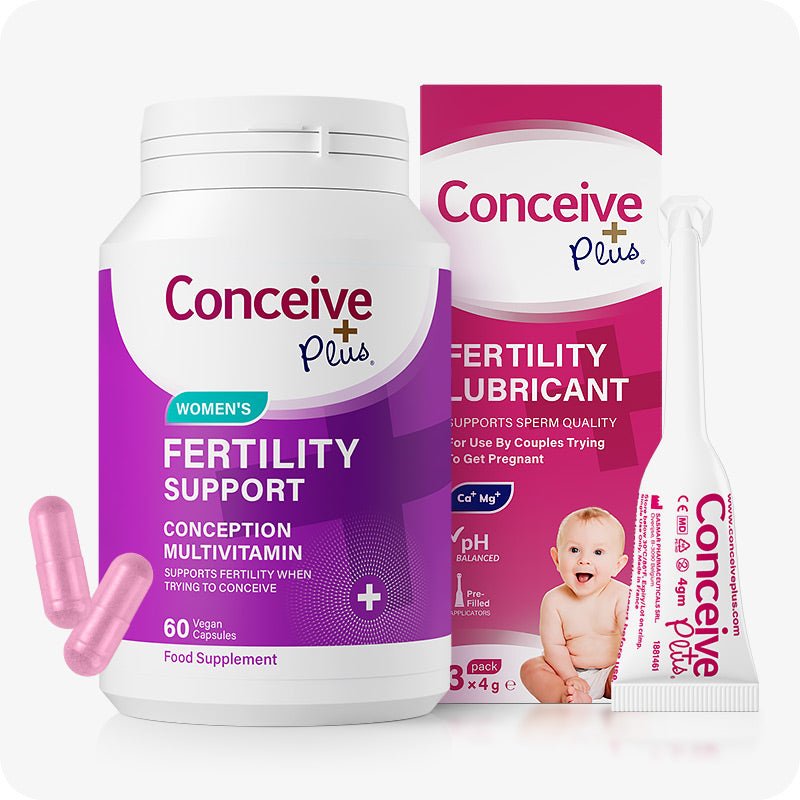
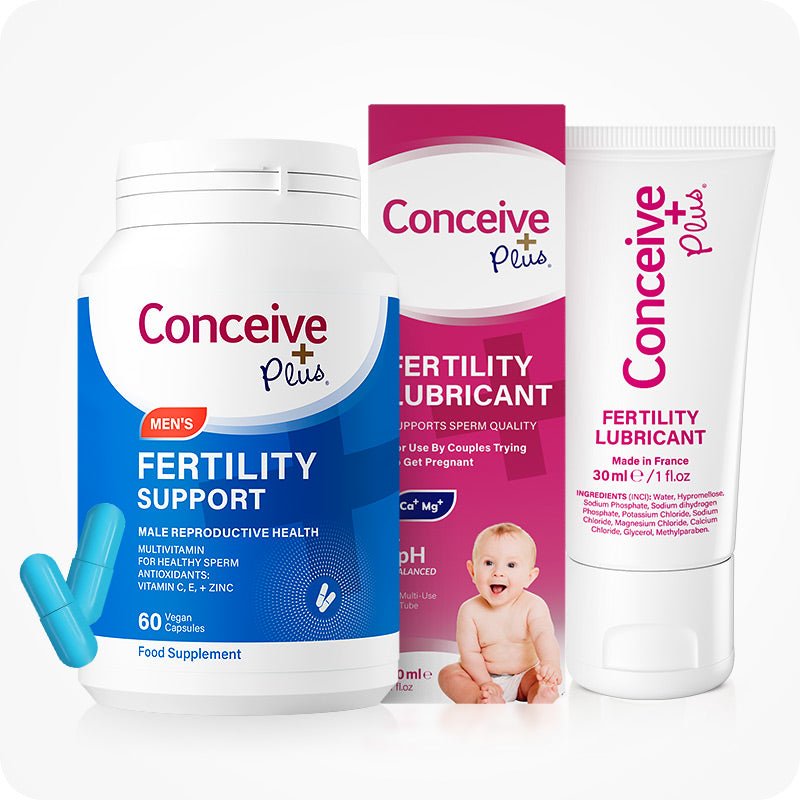
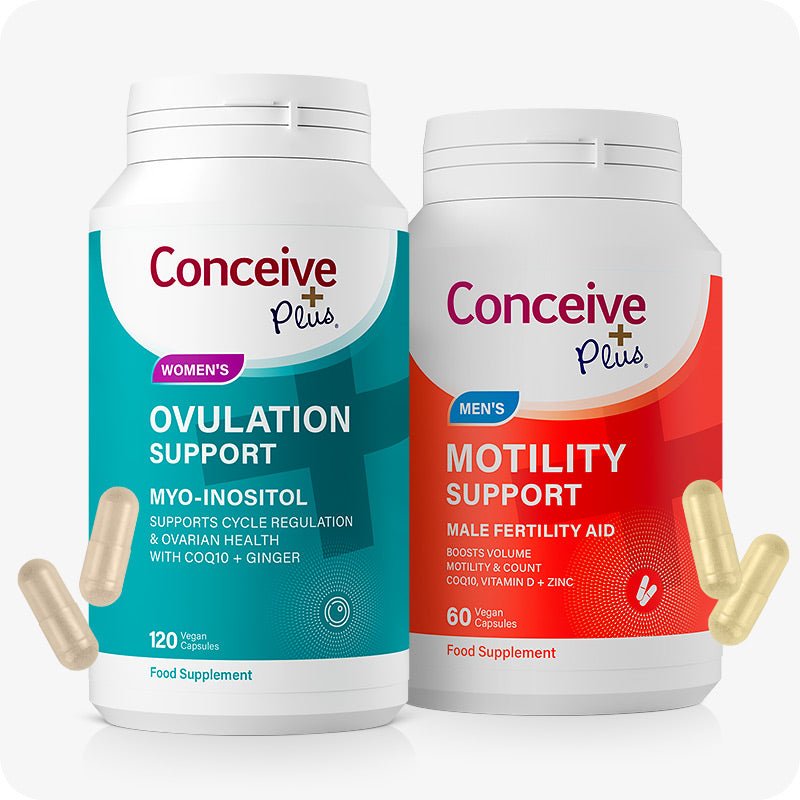
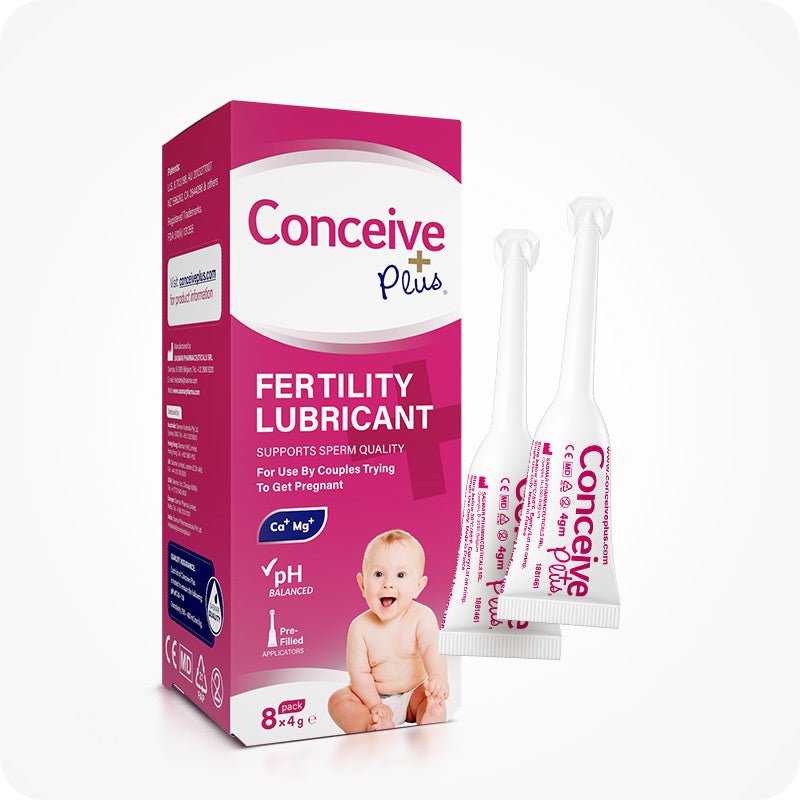
Building a comprehensive plan is about layering your efforts. You've already addressed the "progesterone steal" and optimized your diet; now it's time to integrate targeted tools. Combining whole-food nutrition with high-quality fertility support supplements ensures your body has a surplus of the vitamins needed for the follicular-luteal handoff. While you work on how to lengthen luteal phase naturally, using fertility-friendly lubricants can support your journey by creating an optimal environment for sperm without interfering with your hormonal progress. These tools work in tandem with your lifestyle shifts to create a cohesive strategy for success.
Knowing when to seek professional help is just as important as trying natural methods. If you're under 35 and haven't seen an improvement after six cycles, or if you're over 35 and have been trying for six months, it's time to consult a specialist. Since about one-third of couples where the woman is over 35 face fertility challenges, early intervention is often the best path forward. You don't have to wait for a crisis to seek a clearer understanding of your hormone health.
Consistency and Patience
Results require patience. It's vital to understand that the results of your lifestyle shifts won't appear overnight. The eggs you ovulate today actually began their maturation process about 90 days ago. This means the nutritional and stress-reduction habits you start now will truly impact the quality of your corpus luteum three months from now. Keeping a fertility journal is an excellent way to track this progress. Don't just look at the total length of your cycle. Note the presence of fertile-quality cervical mucus and your overall mood. These small signals often improve before you see a significant change in the number of days on your tracking app. Finding a community of others on a similar path can also help manage the emotional weight of the waiting period.
Exploring Special Support
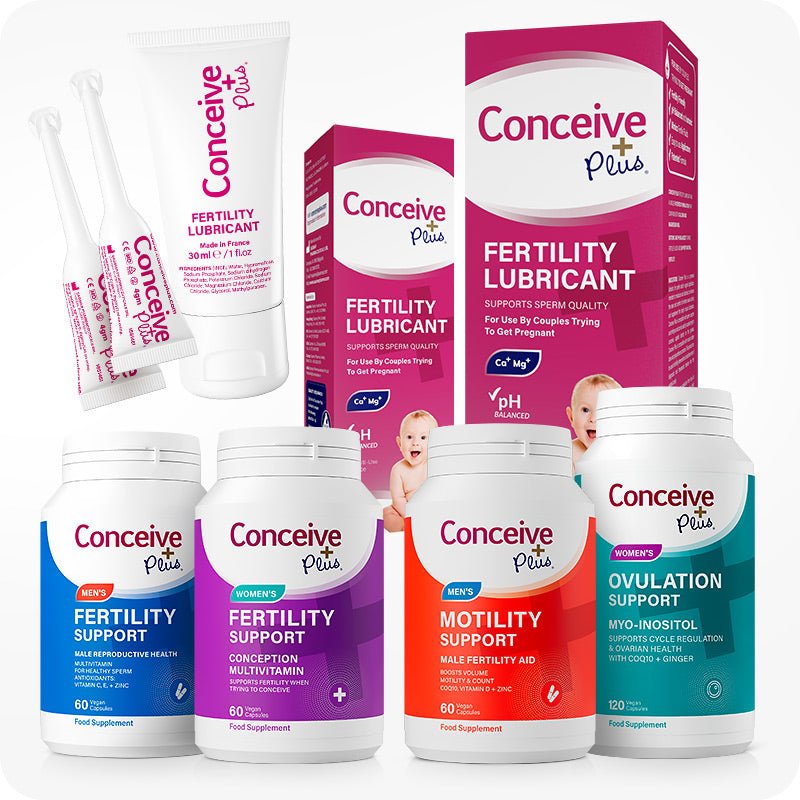
For those ready to commit to a full protocol, looking for special offers on comprehensive fertility kits can make the process more manageable. Look for multi-vitamin support that includes Myo-Inositol and Folate, which are essential for egg quality and hormonal balance. To verify if your efforts in how to lengthen luteal phase naturally are actually working, look for these three signs over the next three cycles:
- A sustained rise in Basal Body Temperature that lasts for at least 12 days.
- A noticeable reduction or complete elimination of spotting before your period starts.
- Increased energy levels and fewer mood swings during the second half of your cycle.
By following this protocol, you're taking an active role in your reproductive health. You're giving your body the time and resources it needs to build a stronger, longer luteal phase. Stay consistent with your tracking and trust the 90-day process.
Take Control of Your Hormonal Health
You now have a science-backed framework to address short cycles and support your body's progesterone production. By prioritizing nutrient-dense fats and managing the stress that leads to the "progesterone steal," you're creating the optimal environment for implantation. Remember that your body needs about three full cycles to reflect these changes. Understanding how to lengthen luteal phase naturally isn't just about a single supplement; it's about a consistent, holistic approach to your reproductive wellness.
If you're ready to bridge the nutritional gap with support that is trusted by millions in over 70 countries, we can help. Our range is scientifically formulated for couples trying to conceive and includes essential vitamins like B6, Zinc, and Magnesium to support your endocrine system. You don't have to navigate this journey alone.
Shop All Fertility Support Products & Bundles
Your path to a healthier cycle starts with these small, intentional steps today. You've got this.
Frequently Asked Questions
Can Vitamin B6 really lengthen my luteal phase?
Yes, Vitamin B6 is highly effective for regulating hormonal activity and supporting the corpus luteum. It helps your body utilize progesterone more efficiently, which can extend a short luteal window. Many women find that consistent B6 intake helps stabilize their cycle and prevents the early drop in hormones that leads to premature bleeding.
How many days should my luteal phase be to get pregnant?
An optimal luteal phase for fertility typically lasts between 12 and 14 days. While clinical research suggests that 10 days is the minimum required for an embryo to implant, a longer phase provides a more stable environment. This extra time ensures the uterine lining doesn't begin to shed before the embryo has safely attached and signaled the body to maintain the pregnancy.
Does stress actually shorten the luteal phase?
Stress is a primary cause of short cycles because of the "progesterone steal" effect. When you're under high stress, your body prioritizes making cortisol over progesterone. This biological shift can cause your progesterone levels to plummet earlier than expected, resulting in a shortened phase and difficulty maintaining the uterine lining for a potential pregnancy.
Can I lengthen my luteal phase while breastfeeding?
It's possible, though elevated prolactin levels from nursing naturally suppress the hormones needed for a strong luteal phase. Prolactin can interfere with ovulation and reduce progesterone production. Focusing on high-quality fats and magnesium can support your system, but many women find their cycle only fully stabilizes once they reduce the frequency of breastfeeding sessions.
Is it possible to have a short luteal phase but still have a regular 28-day cycle?
You can certainly have a 28-day cycle with a short luteal phase if you ovulate later than day 14. If you ovulate on day 19, for example, your luteal phase is only nine days long despite having a "standard" cycle length. This is why tracking basal body temperature is more reliable than calendar methods for identifying hormonal gaps.
What foods should I avoid during the luteal phase?
Avoid excessive caffeine, alcohol, and highly processed sugars during the second half of your cycle. These can tax your liver and cause insulin spikes that disrupt your hormonal balance. By reducing these inflammatory triggers, you allow your body to focus its resources on maintaining steady progesterone levels and supporting the health of the uterine lining.
How long does it take to see results from natural luteal phase treatments?
It usually takes about 90 days, or three full menstrual cycles, to see the impact of your changes. This timeline exists because the egg you ovulate today began its maturation process three months ago. Learning how to lengthen luteal phase naturally requires consistent effort over several months to influence the health of the follicles and the resulting corpus luteum.
Can low progesterone cause spotting before my period starts?
Spotting several days before your period is a classic sign that your progesterone levels are dropping too early. When the hormone that holds the uterine lining in place fails, the lining begins to shed prematurely. Addressing this through targeted nutrition and lifestyle shifts is a core part of how to lengthen luteal phase naturally and stop early spotting.