How to Improve Sperm Motility: A Practical 90-Day Guide for Better Results


Global sperm counts have plummeted by over 51% since 1973, leaving many men feeling like their fertility is a black box they can't control. If you've received a test result showing "lazy" sperm, it's easy to feel overwhelmed or anxious. However, because sperm production operates on a 90-day cycle, you have a specific window of opportunity to implement proven ways to improve sperm motility. When your progressive motility falls below the World Health Organization standard of 32%, it's often a sign of a cellular energy problem rather than a permanent condition.
We understand the frustration of trying to decode which supplements actually work and the desire to feel in charge of your reproductive health. You deserve a clear, science-backed roadmap that moves beyond guesswork. This guide promises to show you how to optimize mitochondrial health and reduce oxidative friction through targeted lifestyle, dietary, and environmental shifts. We will explore the specific steps you can take over the next three months to help you boost your motility scores, feel more confident in your fertility journey, and potentially avoid more invasive medical procedures.
Key Takeaways
- Understand the specific benchmarks for sperm swimming ability and what your semen analysis results mean for your conception timeline.
- Learn how the Mediterranean diet and antioxidant-rich foods help neutralize the oxidative stress that slows sperm down.
- Discover why maintaining a cooler scrotal temperature is essential for protecting the vital enzymes required for movement.
- Identify the optimal exercise balance to regulate the hormones that drive sperm production without causing physical stress.
- Explore science-backed ways to improve sperm motility using targeted nutrients like CoQ10 and L-Carnitine to fuel mitochondrial health.
What is Sperm Motility and Why Does it Matter?
Sperm motility is simply the ability of sperm to swim effectively. It's not enough to have a high count; if the sperm can't reach the egg, conception becomes much harder. Doctors use a Semen analysis to measure this performance. This test looks at how many sperm are moving and how well they're traveling through the reproductive tract.
To better understand the biological factors that influence these results, watch this helpful video:
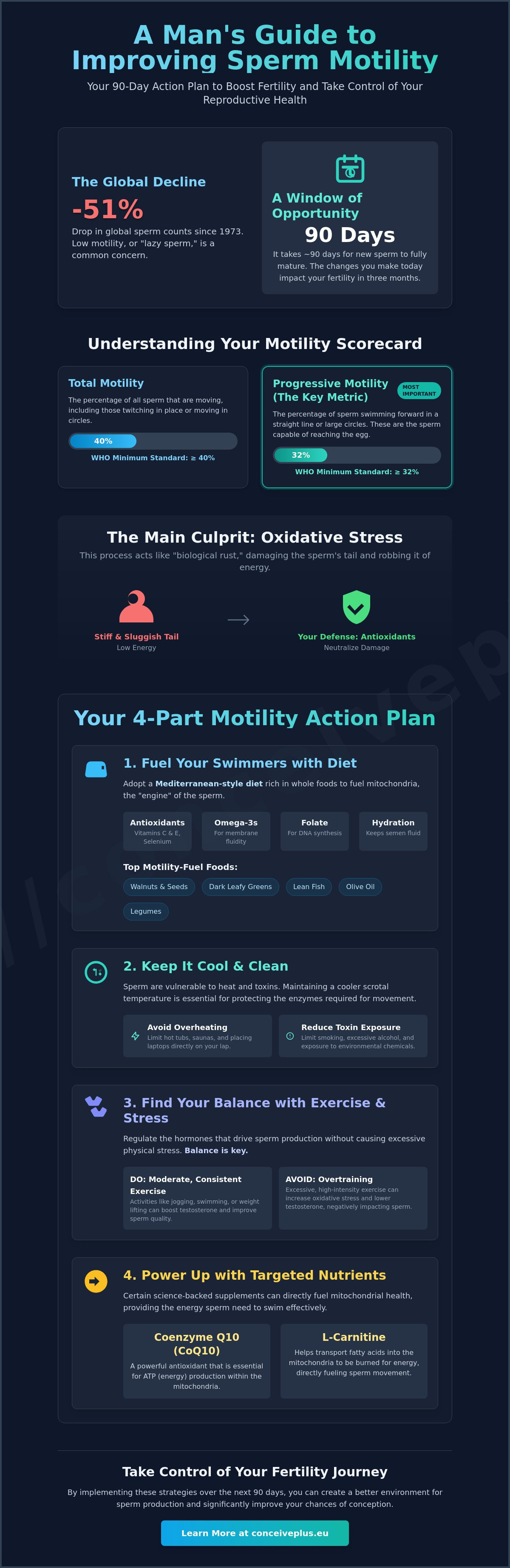
According to the World Health Organization (WHO) 6th edition standards, at least 40% of sperm should be moving. This is known as total motility. However, the more critical number is progressive motility, which should be at least 32%. Progressive motility refers to sperm that are swimming in a straight line or large circles rather than just twitching or swimming in tight loops. This distinction is vital because non-progressive swimmers rarely make it through the cervical mucus to reach the fallopian tubes. Sperm are high-performance cells that require an immense amount of energy. Their tails act like outboard motors, fueled by mitochondria that must work perfectly to maintain speed and direction.
The 90-Day Biological Timeline
Understanding the timeline of sperm production, known as spermatogenesis, is one of the most effective ways to improve sperm motility. It takes approximately 72 to 90 days for a new sperm cell to be created and fully mature. This means the lifestyle choices you make today won't show up on a test result for about three months. During this window, developing sperm are highly vulnerable to heat, toxins, and oxidative stress. Because sperm quality fluctuates due to recent illness or stress, the WHO recommends getting two or three analyses over a three-month period for a truly accurate picture of your fertility.
Common Causes of Low Motility (Asthenozoospermia)
When progressive motility falls below 32%, it's clinically labeled as asthenozoospermia. This condition is a factor in roughly 19% of male infertility cases. The primary culprit is often oxidative stress. This process creates "rust" on the sperm's tail, making it stiff and sluggish. Other causes include medical issues like varicoceles, which are enlarged veins in the scrotum, or lifestyle factors like smoking and poor diet. Environmental toxins and excess heat also play a role, as they can damage the delicate enzymes needed for movement. While age can impact stamina, focusing on mitochondrial health is one of the best ways to improve sperm motility and support better outcomes.
Dietary Strategies to Fuel Sperm Mitochondria
Diet acts as the raw fuel for the 90-day production cycle. The Mediterranean diet consistently ranks as one of the most effective ways to improve sperm motility because it focuses on whole foods that reduce systemic inflammation. By prioritizing olive oil, legumes, and lean fish, you provide the building blocks for Adenosine Triphosphate (ATP). This is the chemical energy that powers the sperm's tail movement. Research into Remedies for Low Sperm Count and Motility highlights how specific dietary patterns can shift the needle on progressive movement scores within a single three-month window.
Antioxidants are your primary defense against oxidative stress. Think of this stress as biological rust that stiffens the sperm's tail and prevents it from whipping effectively. Vitamins C and E, along with selenium, neutralize free radicals before they can damage cellular structures. Meanwhile, Omega-3 fatty acids are essential for sperm membrane fluidity. A flexible membrane allows the sperm to move gracefully and eventually penetrate the egg. Don't overlook hydration. Semen is mostly water; if you're chronically dehydrated, the fluid becomes too viscous. This makes it physically difficult for sperm to travel through the reproductive tract.
Top 'Motility-Fuel' Foods to Add to Your Plate
- Walnuts and seeds: These are packed with Alpha-linolenic acid (ALA), which supports the structural integrity of the sperm tail and improves swimming agility.
- Dark leafy greens: Spinach and kale provide folate, a B-vitamin critical for DNA synthesis and maintaining consistent swimming patterns.
- Lycopene-rich tomatoes: Cooked tomatoes are high in lycopene, an antioxidant specifically linked to increased sperm speed and concentration.
Foods and Drinks to Limit or Swap
High sugar intake is a major hurdle for men's health. Spikes in blood glucose can lead to insulin resistance, which triggers oxidative stress in the reproductive system. Processed meats and trans fats are equally problematic. These fats can replace healthy ones in the sperm cell membrane, making it rigid and less mobile. One of the simplest ways to improve sperm motility is to swap sugary sodas for green tea. Green tea contains polyphenols that protect sperm from DNA damage while providing a gentle metabolic boost. Adopting a holistic approach to fertility through these dietary shifts creates the ideal environment for healthy sperm development.
Environmental and Lifestyle 'Cooling' Techniques
The scrotum's location outside the body is a deliberate biological design. Testicles must remain 2 to 3 degrees Celsius cooler than the rest of the body to produce healthy, active sperm. When temperatures rise, the delicate enzymes responsible for sperm movement begin to break down. This doesn't just lower your overall count; it directly impacts how well the sperm can swim. Finding ways to improve sperm motility often starts with auditing your daily environment for these hidden heat traps that "cook" developing cells before they even mature.
Modern life is full of thermal stressors that men often overlook. Hot tubs, saunas, and even long, steaming showers can temporarily stun sperm production. While some marketing suggests specialized scrotal cooling patches or ice packs, the reality is simpler: consistent temperature regulation is what actually works. Avoiding direct heat exposure is far more effective than trying to "ice" the area after the damage is already done. Since sperm take about 90 days to develop, a single weekend in a hot tub can show up as poor motility on a test months later.
Clothing and Posture Adjustments
Research consistently shows that men who wear loose-fitting boxers have significantly higher motility than those who wear tight briefs. The extra space allows for better airflow and natural heat dissipation. Your posture also matters. Sitting for long periods, especially with your legs crossed, traps heat and raises the temperature of the scrotum. If you work a desk job, set a timer to stand and move every 60 minutes to allow the area to cool. Be wary of laptops; despite their name, they shouldn't sit directly on your lap. The heat from a laptop processor can raise scrotal temperatures by up to 2.8 degrees Celsius in just 15 minutes. Similarly, avoid using car seat heaters during your daily commute.
Avoiding Endocrine Disruptors
Beyond heat, chemical exposure is a major factor in sperm stamina. Phthalates and Bisphenol A (BPA) are endocrine disruptors found in many plastics, food packaging, and even thermal cash register receipts. These chemicals mimic estrogen in the body, which can interfere with the testosterone-driven signals needed for healthy motility. Switching to glass or stainless steel food containers is a smart first step. You should also check your bathroom cabinet. Many shampoos and body washes contain parabens and synthetic fragrances that can enter the bloodstream and disrupt fertility. Opting for fragrance-free, "clean" grooming products is one of the most effective ways to improve sperm motility by reducing the toxic load on your reproductive system. Practical changes, like filtering your drinking water and avoiding plastic-wrapped foods, help clear the path for better results on your next analysis.
The Exercise and Stress Balance for Hormonal Health
Exercise isn't just about physical fitness; it's a powerful tool for hormonal regulation. Testosterone is the primary driver of sperm production, and physical activity is one of the most effective ways to improve sperm motility by naturally boosting these hormone levels. When you engage in regular movement, you improve blood flow to the reproductive organs and stimulate the release of signals that tell your body to produce high-quality sperm. However, the relationship between exercise and fertility follows a "Goldilocks" principle: you need just the right amount to see results.
Too little activity can lead to poor circulation and weight gain, which increases estrogen and lowers testosterone. Conversely, extreme endurance training or over-exercising can trigger a survival response that shuts down non-essential functions like reproduction. Chronic overexertion increases oxidative stress and raises your core temperature, both of which are detrimental to sperm stamina. Balancing your routine with adequate rest is vital because the 90-day sperm maturation cycle relies on a stable hormonal environment. Sleep is equally critical; most testosterone is produced during the 7 to 8 hour window of deep sleep, making consistent rest a cornerstone of your fertility plan.
Best Types of Exercise for Fertility
- Strength training: Lifting weights or performing bodyweight exercises like squats and lunges is the gold standard for boosting natural testosterone safely. These compound movements stimulate the endocrine system without the excessive oxidative stress of marathon training.
- Walking and yoga: These low-impact activities are excellent for reducing systemic inflammation and improving pelvic blood flow. Yoga, in particular, helps transition the body out of a stressed state, which protects developing sperm from damage.
- The cycling caveat: While generally healthy, long-distance cycling can be problematic for male fertility. The combination of a narrow seat, physical friction, and tight clothing creates significant heat in the scrotum and can lead to nerve compression. If you're an avid cyclist, consider switching to other forms of cardio during this 90-day window to avoid "cooking" developing cells.
Stress Management for Better Semen Quality
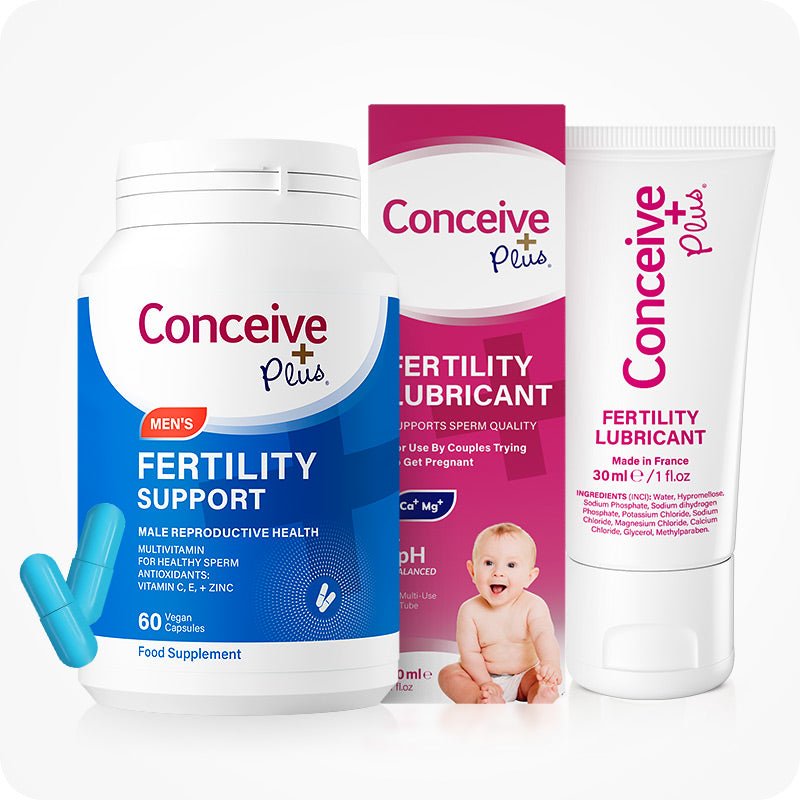
Chronic stress is a silent killer of sperm quality. When you're constantly under pressure, your body stays in "fight or flight" mode, prioritizing cortisol over sex hormones. This creates a physiological environment where sperm production is deprioritized. Practicing mindfulness or simple breathing exercises can lower the oxidative load caused by daily stressors. The cortisol steal occurs when chronic stress forces the body to divert hormonal building blocks away from testosterone production to satisfy the demand for stress-response hormones. To support your body's natural balance during this time, you can shop the full range of fertility support products designed to provide the targeted nutrients your system needs to thrive under pressure.
Targeted Supplementation and Monitoring Progress
While lifestyle and diet provide the foundation, targeted supplementation acts as a precision tool for optimizing cellular performance. Because sperm motility is essentially an energy problem, you must provide the mitochondria with the specific nutrients they need to produce Adenosine Triphosphate (ATP). Coenzyme Q10, specifically in the form of Ubiquinol, acts as a biological spark plug. It helps ignite the energy production process within the sperm tail. Research shows that supplementing with CoQ10 is one of the most reliable ways to improve sperm motility by protecting these energy-producing centers from oxidative damage.
L-Carnitine plays an equally vital role by acting as a transport vehicle. It shuttles long-chain fatty acids into the mitochondria where they are burned for fuel. Without enough L-Carnitine, sperm lack the "gasoline" needed for long-distance swimming. Additionally, minerals like Zinc and Selenium are essential for the structural development of the sperm tail. Zinc supports the assembly of the tail's fibers, while Selenium is a key component of the proteins that protect the sperm's midpiece. Using a combination of these nutrients ensures that every new cell produced during the 90-day cycle has the best possible chance of reaching its destination.
Choosing the Right Fertility Support
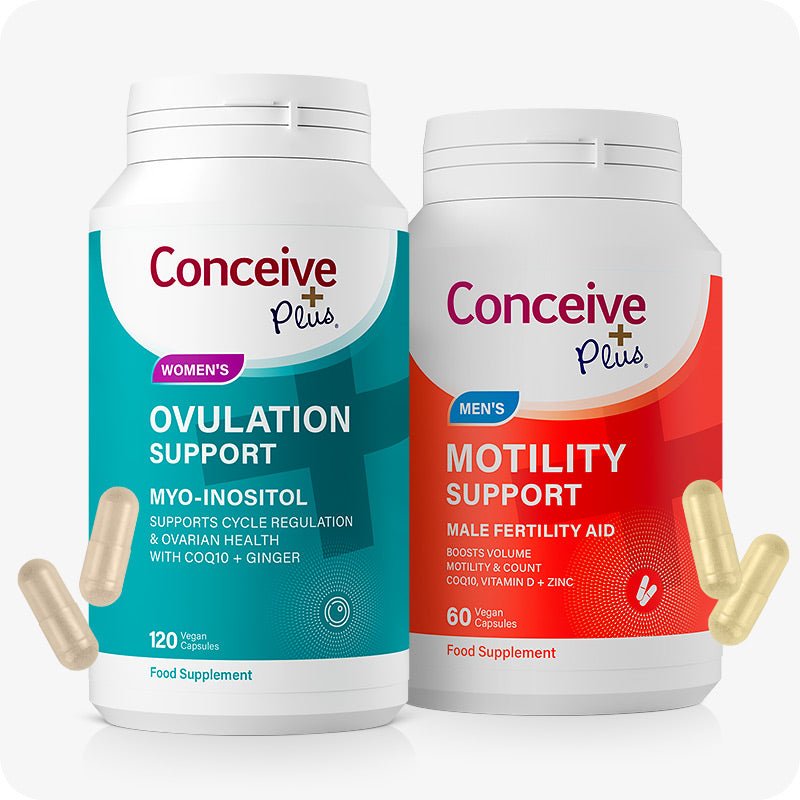
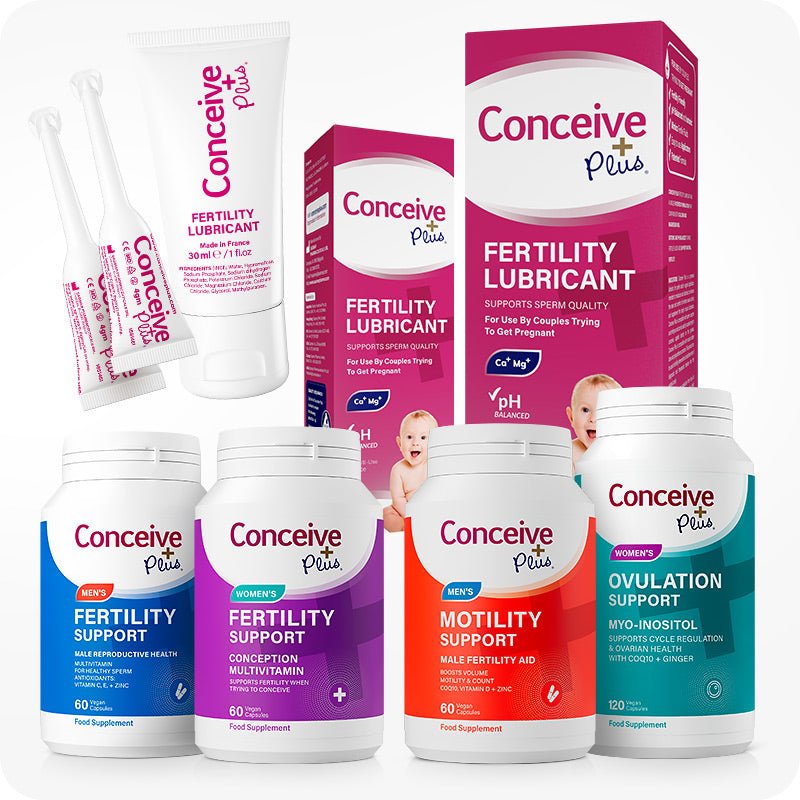
Selecting a high-quality supplement requires looking beyond the label. Bioavailability is crucial; your body must be able to absorb and use the nutrients effectively. Many men find that single-ingredient pills are difficult to manage and often lack the synergistic balance found in professional formulations. You can learn more about comprehensive fertility bundles designed for sperm health to simplify your routine. Integrating these supplements into your 90-day plan ensures a steady supply of nutrients during the most vulnerable stages of sperm development. Consistency is key, as skipping doses can disrupt the steady state of antioxidants needed to neutralize "biological rust."
Tracking Your Improvements
Patience is necessary when monitoring your progress. Because of the spermatogenesis timeline discussed earlier, you should wait at least three months before scheduling a follow-up semen analysis. This "3-month rule" allows you to see the results of the changes you've made today reflected in a completely new generation of sperm. Once your motility scores begin to improve, you can use an ovulation calculator to time intercourse more accurately and maximize your chances of conception. If you're looking for long-term support, check out our special offers to help stay on track during your journey.
While these ways to improve sperm motility are highly effective for many, some situations require a urologist's expertise. If you see no improvement after six months of consistent effort, or if you experience persistent pain or swelling in the scrotum, seek medical advice. A specialist can check for underlying issues like varicoceles or hormonal imbalances that may require medical intervention alongside your lifestyle changes.
Take Charge of Your Fertility Journey Today
Improving your motility scores isn't about overnight miracles; it's about making consistent, science-backed choices over the next 90 days. By optimizing your diet to fuel mitochondria, regulating scrotal temperature, and managing stress, you create the ideal environment for your sperm to thrive. These practical ways to improve sperm motility allow you to move from feeling uncertain to taking active control of your reproductive health and future.
You don't have to navigate this path alone. To support your body during this critical maturation window, shop the full range of Conceive Plus Europe fertility products. Trusted by millions in over 70 countries and formulated by doctors for couples trying to conceive, these products are specifically designed to support sperm health and motility. They provide the high-quality, bioavailable nutrients required for better results on your next analysis.
Stay focused on the three-month goal. Every healthy meal, cooler habit, and targeted supplement brings you one step closer to your desired outcome. Your journey toward fatherhood is well underway, and your commitment today builds the foundation for tomorrow's success.
Frequently Asked Questions
How long does it take to improve sperm motility naturally?
It takes approximately 90 days to see the full impact of lifestyle changes on your sperm parameters. While some minor improvements might occur sooner, the complete cycle of sperm production requires about three months. This timeframe ensures that a fresh generation of sperm has been exposed to your improved diet and environment from the very beginning of their development.
Can certain vitamins really make sperm swim faster?
Yes, clinical studies show that specific nutrients directly influence the speed and efficiency of sperm movement. Antioxidants like Vitamin E and Vitamin C protect the sperm's tail from oxidative damage, while CoQ10 acts as an energy catalyst in the mitochondria. These are among the most effective ways to improve sperm motility through supplementation, as they provide the fuel required for progressive swimming.
Is low sperm motility a permanent condition?
Low sperm motility is rarely a permanent condition. In many cases, it's a temporary reflection of recent lifestyle habits, illness, or environmental stressors. By addressing underlying factors like oxidative stress and poor nutrition, most men see a significant improvement in their motility scores within one or two production cycles. Only in rare cases involving genetic factors or permanent physical injury is the condition considered irreversible.
Does masturbation frequency affect sperm motility?
Frequent ejaculation can actually benefit sperm motility. While abstaining for long periods might increase total sperm count, it often leads to an accumulation of older, slower sperm with higher DNA fragmentation. Ejaculating every 24 to 48 hours keeps the supply fresh and is generally recommended for men looking for ways to improve sperm motility before a scheduled conception window.
Can wearing tight underwear actually cause low motility?
Yes, tight underwear can negatively affect motility by trapping heat against the scrotum. Testicles need to remain cooler than the core body temperature to function correctly. Tight briefs or compression shorts can raise the temperature enough to interfere with the enzymes needed for sperm movement. Switching to loose-fitting boxers is a simple but effective environmental adjustment to protect developing sperm.
What is the best exercise to improve male fertility?
Moderate strength training and brisk walking are often cited as the best exercises for male fertility. These activities boost natural testosterone without the extreme physical stress that can trigger high cortisol levels. Avoid over-training or high-impact endurance sports, which can temporarily lower sperm quality. The goal is consistent, moderate movement that improves circulation without overheating the body.
How does smoking and alcohol impact sperm movement?
Smoking and excessive alcohol consumption are major drivers of oxidative stress, which damages the structural integrity of sperm. Tobacco toxins specifically reduce the speed of sperm and increase the number of sluggish swimmers. Alcohol can disrupt the hormonal signals from the brain that trigger sperm production. Reducing or eliminating these habits is a critical step in any 90-day fertility plan.
When should I see a doctor about my sperm motility results?
You should consult a urologist or fertility specialist if your progressive motility remains below the 32% WHO threshold after three to six months of consistent lifestyle changes. It's also wise to seek medical advice if you're over age 35 or have a history of undescended testicles or groin injuries. A specialist can check for medical conditions like varicoceles that require professional treatment beyond dietary adjustments.