Fertility Diet: The Evidence-Based Eating Plan for Conception


Fertility Diet: The Evidence-Based Eating Plan for Conception
What you eat profoundly influences your reproductive health. A fertility diet is not just trendy wellness advice — decades of epidemiological research and clinical trials consistently show that specific dietary patterns improve ovulation regularity, egg quality, sperm health, and embryo development. If you are trying to conceive, your diet is one of the most powerful levers you can pull.
The Science Behind Fertility Nutrition
The connection between diet and fertility operates through several well-studied mechanisms. Nutrients and dietary patterns influence the production, metabolism, and binding of reproductive hormones including oestrogen, progesterone, FSH, LH, and testosterone. Insulin sensitivity — heavily influenced by diet — is particularly critical for ovulation regularity. An antioxidant-rich diet combats oxidative damage to egg and sperm DNA. Chronic low-grade inflammation disrupts ovarian function and implantation. The quality of egg cell energy production — dependent on micronutrients — directly influences fertilisation success and embryo development.
The Mediterranean Diet: The Gold Standard for Fertility
Of all the dietary patterns studied in relation to fertility, the Mediterranean diet has the strongest and most consistent evidence base. A major study from the Harvard T.H. Chan School of Public Health found that women who most closely followed a Mediterranean-style diet had a significantly lower risk of ovulatory infertility.
The Mediterranean-pattern fertility diet emphasises abundant vegetables and fruits (especially leafy greens, berries, tomatoes), whole grains over refined carbohydrates, legumes for plant protein and folate, oily fish 2 to 3 times weekly for omega-3 DHA and EPA, olive oil as the primary fat source, nuts and seeds, moderate dairy particularly fermented forms, and limited red and processed meat.
Key Nutrients for a Fertility Diet
Folate (Vitamin B9) is the most critical preconception nutrient, supporting DNA synthesis, cell division, and neural tube development. The active form methylfolate is preferred over synthetic folic acid. Supplementation of 400 to 800 mcg per day is universally recommended when trying to conceive.
Omega-3 fatty acids (DHA and EPA) are structural components of egg cell membranes critical for embryo brain and eye development. Food sources include oily fish, walnuts, chia seeds, and flaxseed. Supplementation with algae-derived DHA (suitable for those avoiding fish) or fish oil is recommended if dietary intake is low.
Vitamin D deficiency is associated with reduced IVF success rates, irregular ovulation, and PCOS. With widespread vitamin D deficiency in northern Europe, supplementation of 1,000 to 2,000 IU per day is frequently recommended based on blood test results.
Zinc is essential for egg maturation, ovulation, and sperm production. The best dietary sources are oysters, red meat, pumpkin seeds, lentils, and cashews.
Iodine is critical for thyroid function and foetal brain development. Preconception supplementation of 150 to 220 mcg per day is recommended in many European guidelines. Food sources include dairy products, seafood, and eggs.
Antioxidants (Vitamins C and E, Selenium, CoQ10) protect eggs and sperm from oxidative damage. A diet rich in colourful fruits and vegetables provides vitamin C and E. Brazil nuts are an excellent selenium source. CoQ10 supplementation is specifically studied for egg quality and sperm motility.
Foods to Increase for Fertility
Leafy greens including spinach, kale, rocket, and watercress are rich in folate, iron, vitamin C, and antioxidants. Aim for a portion daily. Oily fish providing DHA and EPA essential for egg quality should be eaten 2 to 3 servings weekly. Berries are among the most antioxidant-dense foods available. Legumes including lentils, chickpeas, and kidney beans offer high protein, folate, iron, and fibre. Avocado provides monounsaturated fats, folate, and vitamins that support hormone balance. Walnuts with plant-based omega-3 and antioxidants have studies showing improvements in sperm quality. Full-fat dairy was interestingly associated with better ovulatory function compared to low-fat dairy in the Nurses Health Study, potentially due to fat-soluble vitamins A, D, and K2.
Foods to Limit for Fertility
Ultra-processed foods are associated with poorer reproductive outcomes in observational studies and are high in trans fats and refined carbohydrates while low in micronutrients. Sugar and refined carbohydrates cause rapid blood sugar spikes that elevate insulin levels, disrupting ovulation by increasing androgens in the ovary — a key mechanism in PCOS. Even small amounts of industrial trans fats are associated with ovulatory infertility. Alcohol is associated with reduced fecundity in women and reduced sperm quality in men. The safest approach when actively trying to conceive is to avoid alcohol entirely. Very high caffeine intake above 400 to 500 mg per day has been associated with reduced fertility, while moderate consumption of 1 to 2 cups of coffee per day appears safe.
Fertility Diet for Men
The fertility diet conversation must include male nutrition. The same Mediterranean-style principles apply with particular emphasis on antioxidants (lycopene from cooked tomatoes, vitamin C, vitamin E, selenium) that protect sperm DNA from oxidative fragmentation, zinc critically important for testosterone synthesis and sperm production, omega-3 DHA concentrated in the sperm head to support morphology and motility, avoidance of processed meats strongly associated with reduced sperm quality, limitation of alcohol, and maintaining healthy weight since obesity dramatically disrupts the hormonal environment for sperm production.
The Fertility Diet and Body Weight
Both underweight (BMI below 18.5) and overweight or obese (BMI above 25 to 30) status are independently associated with impaired fertility. Underweight status disrupts the hypothalamic-pituitary-ovarian axis, often causing anovulation. Excess adipose tissue produces oestrogen, disrupts insulin signalling, and elevates inflammation. Even 5 to 10 percent weight loss in overweight women has been shown to restore ovulation in many cases. The goal is achieving and maintaining a BMI in the normal range through a nourishing, sustainable dietary approach.
Frequently Asked Questions About the Fertility Diet
How long does it take for diet changes to improve fertility?
Egg quality improvements typically require 3 to 6 months as this reflects the full cycle of follicle development. Sperm quality responds in approximately 2 to 3 months. Start your fertility diet at least 3 months before your target conception window for the greatest benefit.
Should I go organic for fertility?
Some pesticides have documented endocrine-disrupting properties. Prioritising organic for the highest-pesticide produce (strawberries, spinach, kale, peaches, pears, nectarines, apples, grapes, capsicum, cherries, blueberries) while eating conventional for lower-pesticide produce is a sensible, budget-conscious approach.
Is a vegan or vegetarian diet good for fertility?
Well-planned plant-based diets can support excellent fertility outcomes. Key nutrients to monitor include vitamin B12 (must supplement on vegan diets), iron, zinc, omega-3 (use algae-based DHA), iodine, and vitamin D. Work with a dietitian if fully plant-based.
Can gluten or dairy affect fertility?
For people with coeliac disease, consuming gluten impairs nutrient absorption and is associated with subfertility and miscarriage risk. For those without coeliac disease, there is no evidence that gluten affects fertility. Unless you have a diagnosed dairy intolerance, dairy is not harmful and full-fat dairy may be slightly beneficial for ovulatory function.
What is the best fertility supplement to add to my diet?
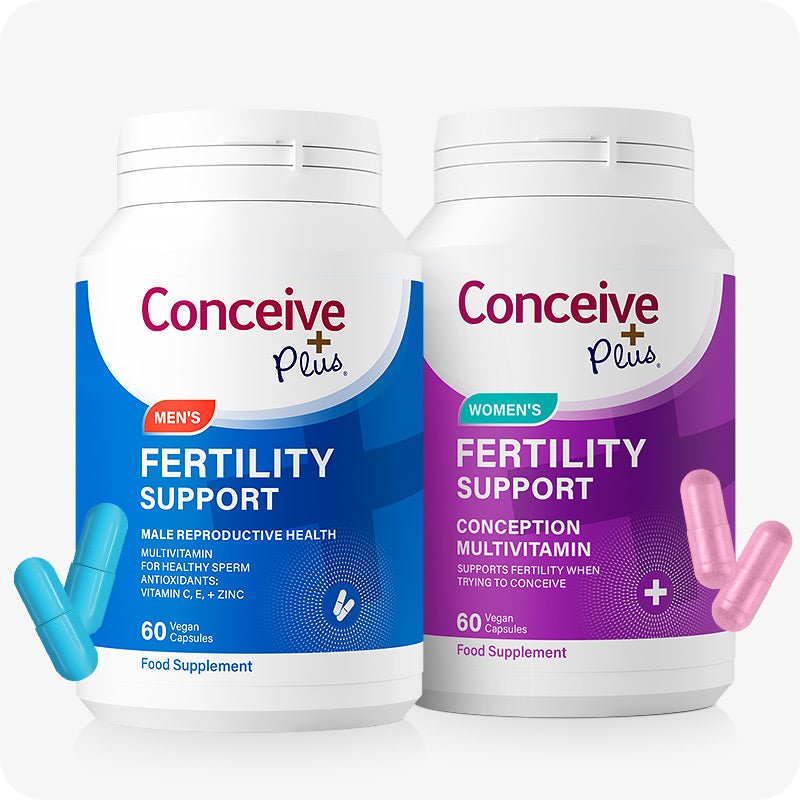
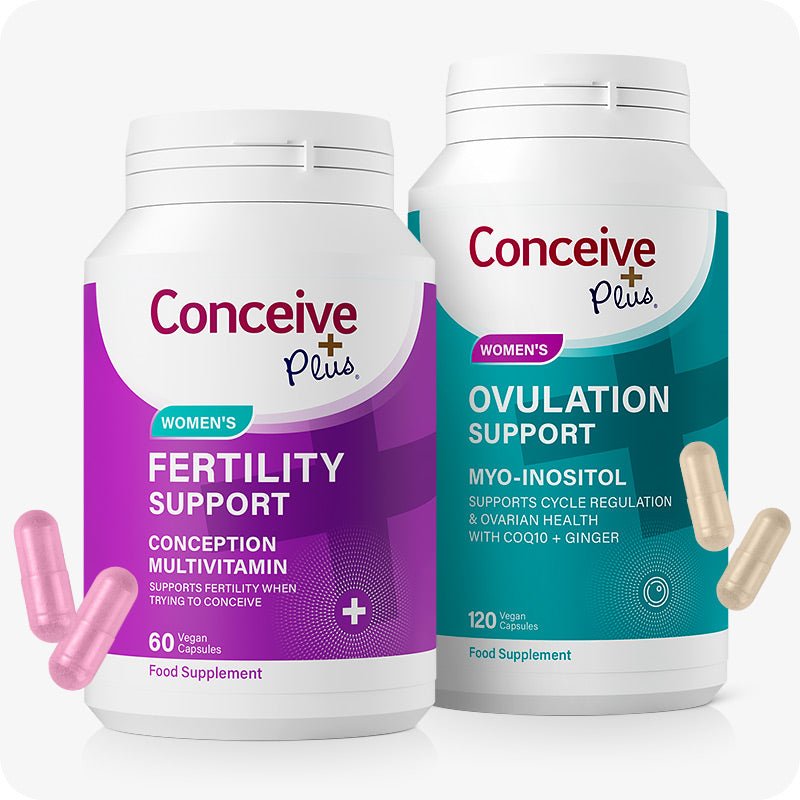
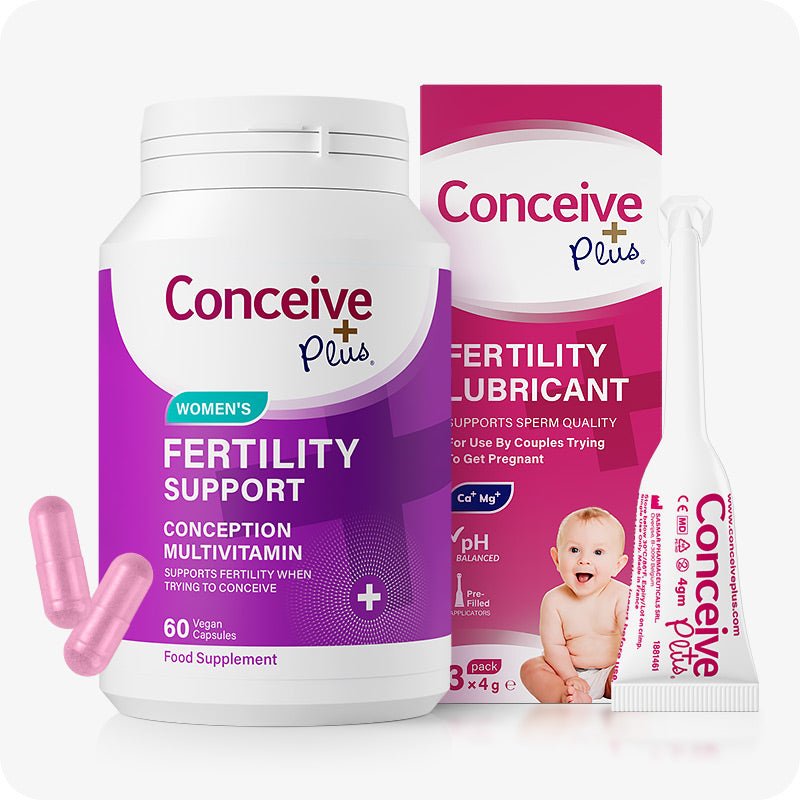
The non-negotiable is folate or folic acid at 400 to 800 mcg per day for all women trying to conceive. Beyond that, vitamin D if deficient, omega-3 DHA, iodine, and CoQ10 particularly for women over 35 have strong evidence bases. A comprehensive preconception supplement like Conceive Plus covers these bases and more.
Does alcohol really affect fertility?
Yes, in both women and men. Alcohol impairs liver metabolism of hormones, disrupts ovulation, and reduces IVF success rates in women. It suppresses testosterone and directly damages sperm in men. The safest approach when actively trying to conceive is abstinence or at most 1 to 2 units per week.
Can caffeine affect fertility?
High caffeine intake above 300 to 500 mg per day is associated with reduced fertility and increased miscarriage risk. 1 to 2 cups of coffee per day appears safe. Consider switching some coffee to green tea, which provides antioxidants alongside lower caffeine.
What should I eat during the two-week wait?
During the two-week wait, continue your nutrient-dense fertility diet. Emphasise antioxidant-rich foods, adequate protein, and healthy fats to support potential implantation. Avoid alcohol entirely during this period. There are no magic foods to implant an embryo, but a nourishing whole-food diet provides the best biochemical environment for the process.
Is the fertility diet different for PCOS?
Women with PCOS benefit from additional attention to blood sugar management: a lower-glycaemic-index diet, limiting refined carbohydrates and sugar, and prioritising fibre from vegetables and legumes to support insulin sensitivity. The Mediterranean diet remains the foundation with added emphasis on foods that stabilise blood glucose.
Should my partner also follow a fertility diet?
Absolutely. Male diet influences sperm quality significantly. Both partners following the Mediterranean-pattern fertility diet for 3 to 6 months before trying to conceive addresses both sides of the fertility equation and maximises your collective chances of conception.